


Volkswagen's Multi-Billion Euro Problem
Volkswagen Group, the world's second-largest carmaker, is navigating a seismic shift. The German auto giant is in the throes of a massive restructuring aimed at securing its future in a rapidly changing industry. This 'reset' involves staggering investments
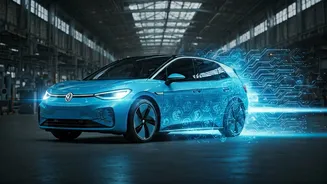
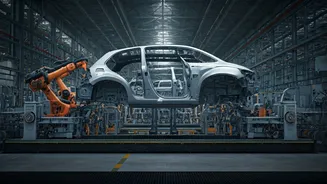
in electrification, autonomous technology, and a complete overhaul of its troubled software division, Cariad. The transition is proving enormously expensive and complex, with software glitches delaying key electric models and intense competition from Chinese EV makers eroding market share. In response, VW is undertaking drastic measures, with reports of plans to cut tens of thousands of jobs and potentially close factories to rein in costs. This dramatic overhaul, led by CEO Oliver Blume, is designed to make the goliath company more resilient, but it requires immense capital.
The Crown Jewel: Lamborghini
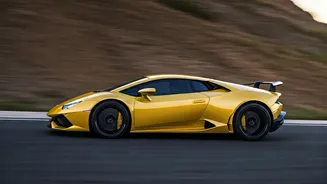
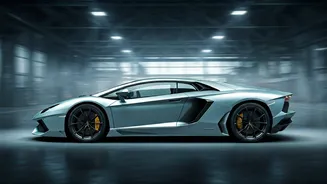
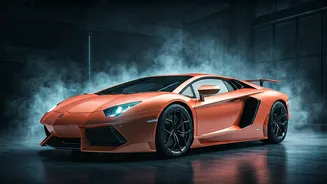
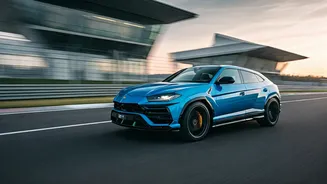
Amidst the turmoil, one brand in VW’s vast portfolio shines brighter than ever: Lamborghini. The Italian supercar maker is not just a prestigious name; it's one of the most profitable brands in the entire automotive industry, delivering incredible profit margins. Last year alone, Lamborghini generated profits worth hundreds of millions of dollars, making it a financial powerhouse within the group. This combination of extreme profitability and iconic brand status makes it a tempting asset. For a parent company desperately seeking funds for its EV and software ambitions, the idea of 'unlocking' the value of Lamborghini is a powerful one. While buried inside VW's corporate structure, its full market value may not be realised. A separate listing could change that dramatically.
Following the Porsche Playbook
The idea of a Lamborghini IPO is not just speculation; there is a highly successful precedent within the Volkswagen family. In 2022, VW executed a blockbuster Initial Public Offering (IPO) for Porsche. The move was one of Europe's largest-ever listings and raised billions for Volkswagen, providing a crucial cash injection for its strategic priorities. The Porsche IPO was a staggering success, with its valuation at times even surpassing that of the entire Volkswagen Group. This success provides a clear and tempting playbook. An IPO would allow Volkswagen to sell a minority stake in Lamborghini to public investors, raising significant cash while retaining majority control, just as it did with Porsche. This strategy has renewed interest from analysts and investors who see it as a logical next step.
A Battle of Strategy and Soul
This is where the "drama" begins. While a Lamborghini IPO could provide a much-needed financial boost, the decision is far from simple. It creates a strategic dilemma. On one hand, spinning off a highly valued asset could fund the very future of Volkswagen's core mass-market brands. On the other hand, it means losing a reliable, high-margin revenue stream and diluting the group's portfolio of 'crown jewels'. Experts are divided on whether selling off such a profitable and prestigious brand is the right long-term strategy. The discussions are reportedly happening inside VW, weighing the short-term cash infusion against the long-term value of keeping Lamborghini fully integrated. Volkswagen has recently sold off other non-core assets, signaling its willingness to restructure, but a move involving Lamborghini would be its most high-profile divestment yet.
What Would a Listing Mean?
A market listing, or IPO, for Lamborghini would see it traded on a stock exchange, similar to its rival Ferrari, which went public in 2015. This would give Lamborghini its own market valuation, which some analysts estimate could be in the tens of billions of dollars. For Volkswagen, this would crystallize the value of its holding and provide a substantial influx of cash. For Lamborghini, it could mean greater entrepreneurial freedom and the ability to act more quickly on its own priorities, a benefit Porsche has enjoyed since its own IPO. While no official confirmation has been made, a Volkswagen spokesperson has acknowledged that all brands require a “profound transformation.” The recurring whispers suggest that in the high-stakes world of automotive giants, even the most treasured assets are on the table.