







The Return of the First-Time Buyer
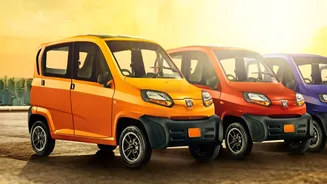
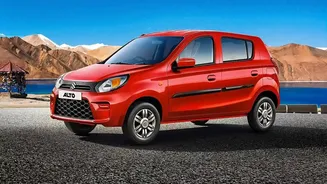
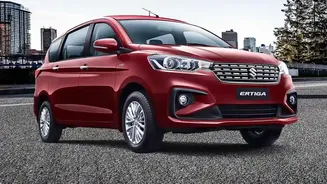
After years where the market was dominated by owners upgrading or adding a second car, first-time buyers are making a decisive comeback. Recent industry data shows a significant jump in their market share, the largest since before the pandemic. Maruti
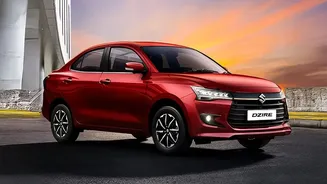
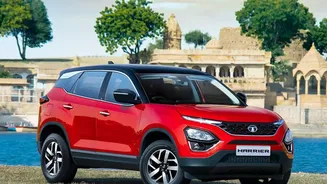
Suzuki, a bellwether for the entry-level segment, reported that first-time buyers accounted for 54% of its sales between April and August, a substantial increase from 42% in the previous year. This isn't an isolated case. Tata Motors has also seen a 6-7% rise in this demographic over the past year. For some specific models, the numbers are even more stark; an incredible 70% of Tata Punch buyers are new to car ownership. This surge indicates a broadening of the market, bringing a new class of consumers into the fold and providing fresh momentum for the entire industry.
The Small Car's Big Tax Advantage
A primary catalyst for this trend is a major rationalisation of the Goods and Services Tax (GST). The government's decision to lower the GST rate on smaller vehicles—those less than four meters in length with specific engine capacities—from 28% to 18% has been a game-changer. This significant tax reduction makes entry-level hatchbacks and compact SUVs considerably more affordable. Vehicles that qualify for this lower 18% tax slab have seen a remarkable 29% increase in sales in the first five months of the fiscal year. In contrast, larger vehicles fall into a 40% tax bracket. This tax differential has made smaller cars the undisputed entry point for budget-conscious, first-time buyers, directly fuelling their revival in a market that had been increasingly dominated by larger, more expensive SUVs.
Economic and Social Drivers
The GST cut is only part of the story. The trend is also underpinned by powerful socio-economic shifts across India. Rising disposable incomes, particularly in rural and semi-urban areas, are enabling more households to transition from two-wheelers to their first four-wheeler. Improved access to financing and flexible EMI options have further lowered the barrier to entry, turning the aspiration of car ownership into a tangible reality for many. This growth is especially strong in rural India, where vehicle sales are growing at a much faster pace than in urban centres. The desire for personal mobility, seen as both a convenience and a status symbol, combined with these economic tailwinds, has created the perfect environment for this new wave of car buyers to emerge.
How Tata and Mahindra Are Capitalising
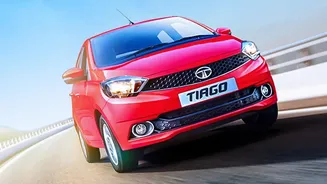
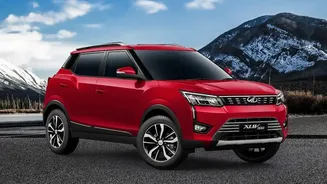
Indian automakers Tata Motors and Mahindra & Mahindra are perfectly positioned to ride this wave. Their strong portfolios in the compact SUV and entry-level vehicle segments align directly with the market's current sweet spot. Models like the Tata Punch and Mahindra Bolero are prime examples of vehicles benefiting from the lower 18% GST rate. Mahindra has reported robust growth in its entry-level SUV segment, which saw a 20% year-on-year increase in the April-to-August period. Tata has strategically invested in keeping its hatchback lineup, including the Tiago, fresh and appealing to first-time buyers, aiming to increase the segment's contribution to its overall sales. Both companies have focused on offering modern design, crucial safety features, and advanced technology—factors that resonate strongly with today's aspirational buyers who want value without compromising on quality or features.