




The Science of the Threat: GLOFs Explained
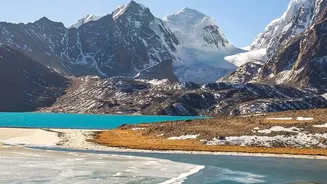
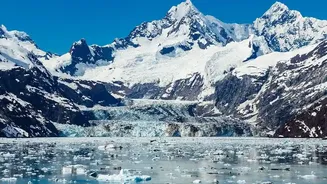
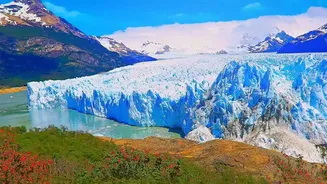
The primary danger stems from a phenomenon known as a Glacial Lake Outburst Flood (GLOF). As glaciers retreat due to rising temperatures, they leave behind massive depressions that fill with meltwater, forming glacial lakes. These lakes are often dammed
by unstable walls of ice or moraine—loose rock and debris. When these natural dams fail, either due to an avalanche, an earthquake, or simply the pressure of the rising water, they can release an enormous volume of water in an instant. This sudden torrent gathers rock, mud, and ice as it hurtles downstream, creating a destructive slurry that can wipe out entire villages, bridges, and hydropower projects miles away.
A Cascade of Hazards
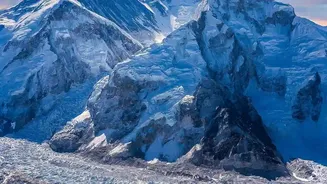
It’s not just about GLOFs. The recent devastating floods in Nepal in late August 2026, which claimed over 1,300 lives with thousands more missing, were triggered by a massive ice-rock avalanche. A huge section of a glacier, along with the bedrock it rested on, broke off and plunged into a river valley. This event highlights a complex, cascading series of hazards where one disaster triggers another. Warming temperatures are also thawing permafrost—ground that has been frozen for centuries. This frozen soil acts like a glue holding mountain slopes together. As it thaws, slopes become weaker and far more prone to landslides, which can in turn dam rivers or trigger floods.
Nepal's Alarming Vulnerability
Nepal is on the front lines of this crisis. The Himalayas are warming at a rate nearly twice the global average, and glaciers in the region have been losing ice at an accelerating pace. One report noted that Nepal's mountains lost nearly a third of their ice in just over 30 years. The International Centre for Integrated Mountain Development (ICIMOD) has identified 47 high-risk glacial lakes across Nepal, Tibet, and India, with 21 of them located within Nepal's borders. The country has thousands of glacial lakes in total. The August 2026 disaster was a brutal reminder of this vulnerability, causing billions of dollars in damage to homes, roads, and crucial infrastructure like hydropower plants.
Why This Matters for India
What happens in Nepal does not stay in Nepal. India and Nepal share more than just a border; they share an interconnected Himalayan ecosystem. Rivers like the Koshi and Gandaki (called the Trishuli in Nepal) flow from the high mountains of Nepal and Tibet down into the plains of Bihar and Uttar Pradesh. A catastrophic flood event upstream can rapidly translate into devastating floods and sediment surges in these densely populated downstream states. The August 2026 tragedy also had a direct human cost for India, with hundreds of Indian pilgrims and workers reported missing. This disaster serves as a stark warning for Indian Himalayan states like Uttarakhand, Himachal Pradesh, and Sikkim, which face similar risks from unstable glaciers and expanding lakes.
What Can Be Done?
Addressing this growing threat is a monumental challenge. Efforts are underway to mitigate the risk, but they are often outpaced by the scale of the problem. Nepal has a project to lower the water levels in four of its most dangerous glacial lakes, but experts warn this is not enough. The key lies in a combination of better monitoring, cross-border data sharing between Nepal, India, and China, and the development of robust early-warning systems that can actually reach remote, vulnerable communities in time. However, some events, like the recent ice-rock avalanche, are incredibly difficult to predict. Ultimately, experts agree that building climate-resilient infrastructure and rethinking development in fragile mountain valleys are critical steps for long-term safety.