





What is the Proposed Deal?
On July 22, 2026, US and Saudi officials signed a peaceful nuclear cooperation agreement, often called a "123 Agreement," laying the legal groundwork for a decades-long partnership. The stated goal is to help Saudi Arabia develop a civilian nuclear energy
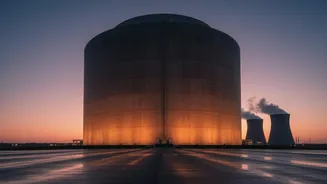
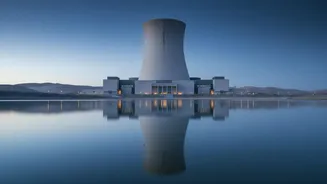
program to meet its growing power demands and diversify its energy sources, freeing up more oil for export. For the US, the deal promises a significant commercial opening for American companies to build the kingdom's nuclear infrastructure, a project potentially worth billions. The agreement is part of a long-negotiated plan that has spanned multiple US administrations, aimed at providing US technology and expertise for reactors intended for electricity generation and water desalination.
A Grand Bargain for the Middle East
This nuclear pact is widely seen as a component of a much larger, US-brokered diplomatic initiative: the normalization of relations between Saudi Arabia and Israel. For years, a grand bargain has been on the table where the US would offer Saudi Arabia security guarantees and advanced technology, including nuclear cooperation, in exchange for Riyadh formally recognizing Israel. However, the path has been complicated. Shortly after the deal was signed, the US President stated the agreement is contingent on Saudi Arabia joining the Abraham Accords. The Saudi government has consistently held that normalization depends on tangible progress toward a Palestinian state, a position that has hardened amid regional conflicts.
The Uranium Enrichment Controversy
The most significant and contentious part of the deal is what remains unsaid. A key sticking point is whether Saudi Arabia will be permitted to enrich uranium on its own soil. Uranium enrichment is a process that can be used to produce fuel for nuclear power plants, but the same technology can also be used to create fissile material for a nuclear weapon. Critics and non-proliferation experts are alarmed because the current agreement reportedly does not include the "Gold Standard" provisions that would require Riyadh to permanently renounce enrichment and reprocessing. This is a departure from the stricter terms the US imposed on the United Arab Emirates in a similar 2009 deal. Saudi Arabia's Crown Prince has previously stated that the kingdom would pursue a nuclear bomb if Iran developed one, adding to the high stakes.
Geopolitical Competition and Congressional Hurdles
The push for a deal is also a strategic move to counter the growing influence of China and Russia, both of which have offered to build Saudi Arabia's nuclear program with potentially fewer restrictions. Proponents argue that by partnering with the US, the Saudi program would be subject to greater oversight and non-proliferation standards. However, the agreement faces significant opposition in the US Congress. Many lawmakers are wary of transferring sensitive technology to the kingdom, citing concerns about its human rights record and the risk of fueling a nuclear arms race in the Middle East. For the deal to become official, it must be submitted to Congress for a 90-day review period, where it is expected to face intense scrutiny and potential attempts to block it.