





An Enduring Symbol of Identity
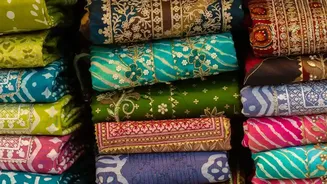
More than a six-yard drape, the handloom saree is a narrative of heritage. Each region in India has its own unique weaving traditions, from the opulent Banarasi silks of Uttar Pradesh to the regal Kanjeevarams of Tamil Nadu. These textiles are not just
garments; they are a testament to centuries of artistry, with skills passed down through generations of artisan families. In an era of fast fashion, the choice to wear a handloom saree is a conscious one, representing a connection to one's roots and support for the artisans who form the backbone of India's rural economy. These fabrics, made from natural fibres with time-honoured techniques, are seeing a modern renaissance as people seek authenticity and sustainability.
A Festival of Weaves
Festivals are the grand stages where India's cultural identity is on full display, and sarees play a leading role. During Diwali, the festival of lights, wearing new clothes signifies a fresh start, and a new saree is often chosen to embrace this renewal. Vibrant colours like red, yellow, and orange are believed to attract prosperity and happiness, making them popular choices. For festivals like Durga Puja or Navratri, specific handloom sarees are worn during rituals to invoke blessings and pay homage to deities. Beyond their spiritual significance, these festive gatherings become a vibrant showcase of regional diversity, with women donning weaves that tell the story of their specific heritage, from the intricate Jamdani of Bengal to the bright Sambalpuri of Odisha.
The Wedding Heirloom
At Indian weddings, the saree transcends fashion to become a cherished heirloom and a symbol of blessings. For many brides, a handwoven silk saree, often in traditional red or auspicious gold, is central to the ceremony. These sarees, rich with zari work and traditional motifs, are considered a sign of prosperity and are often preserved and passed down from mother to daughter. But tradition is also evolving. While heritage weaves like Banarasi silk are making a grand comeback, many modern brides in 2026 are also choosing pastel shades like blush pink and lavender, often in lighter fabrics like organza or tissue silk for comfort during long ceremonies. This fusion of classic craftsmanship with modern aesthetics shows how the tradition adapts while retaining its core significance.
The Bittersweet Departure
The concept of 'departure' finds its most poignant and visible expression in the wedding 'bidaai' or 'vidai' ceremony. This is the emotional farewell where the bride leaves her parental home to start her new life. The saree she wears for this moment is incredibly significant—often a gift from her parents, it represents their blessings and the heritage she carries with her. As she departs, her attire becomes a powerful visual, a final, beautiful glimpse of the daughter leaving her childhood home. This moment encapsulates how a single piece of custom, the saree, is woven into the entire spectrum of life's most profound events, from the joy of union to the bittersweetness of departure, connecting generations and memories.
A Custom Reimagined
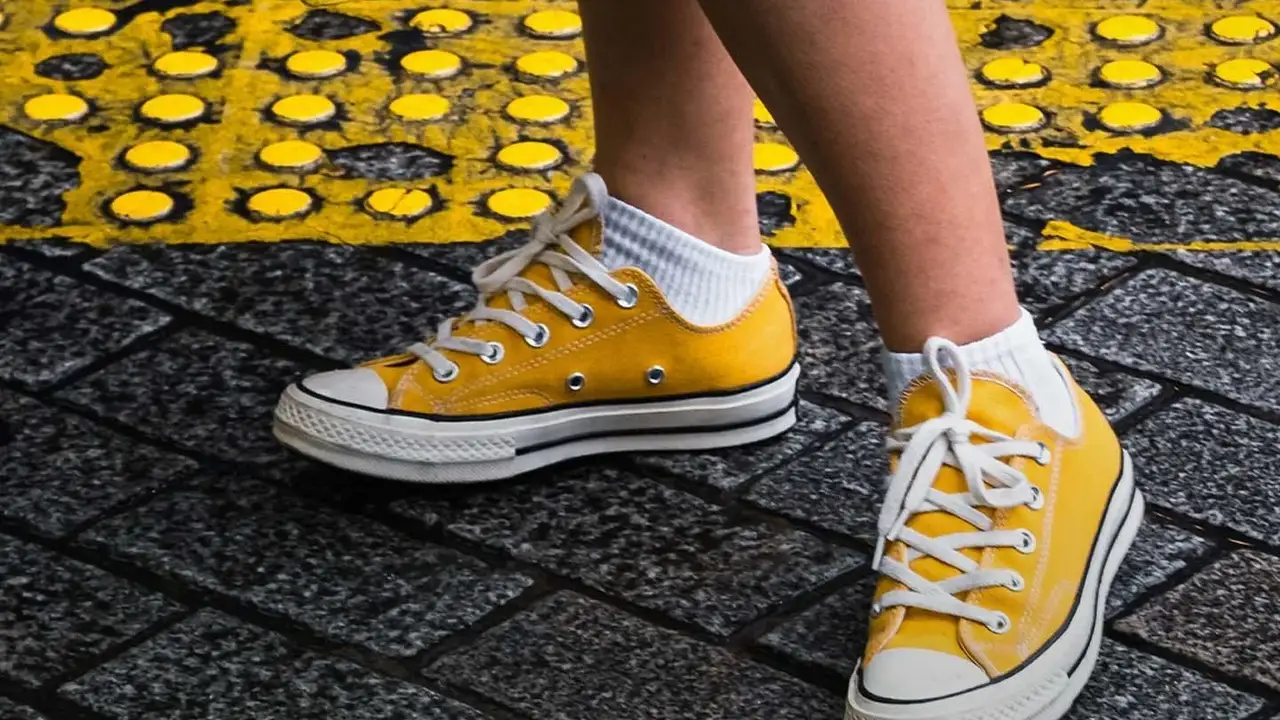
The survival of this custom is not due to rigid adherence but to its remarkable ability to evolve. Today, younger generations, particularly Gen Z, are reclaiming the saree on their own terms. Driven by a desire for self-expression and sustainability, they are pulling heirloom pieces from their mothers' closets and styling them with crop tops, belts, and even sneakers. Social media is fueling this revival, with fashion influencers showcasing innovative drapes and proving that the saree is not just for formal occasions. This new wave is not about rejecting tradition but reinterpreting it, ensuring that the handloom saree remains a relevant, dynamic, and highly visible part of India’s cultural landscape for generations to come.