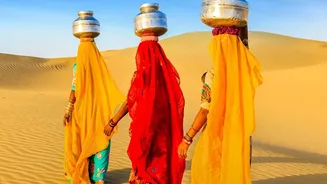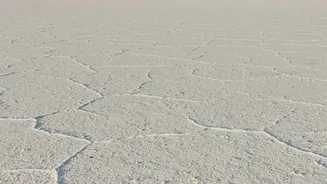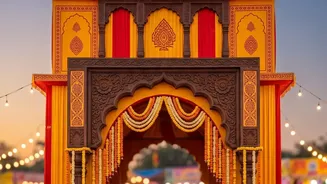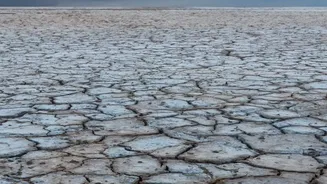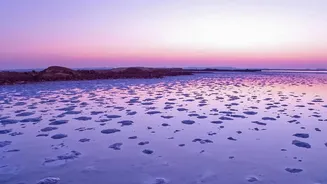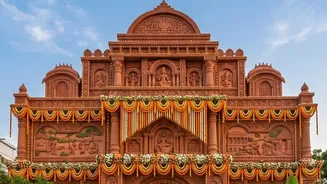




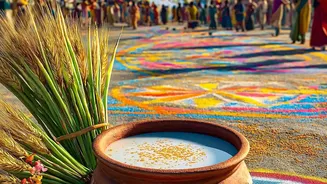
The vast, shimmering salt flats of the Great Rann of Kutch are a spectacle to behold, especially during the annual Rann Utsav. This vibrant festival is intentionally held in winter, transforming the white desert into a hub of culture and celebration.
The Magic of Winter Weather
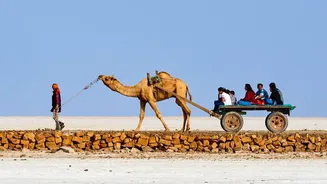
Winter is the best and only feasible time to experience the Rann of Kutch. From October to February, the harsh summer heat, which can exceed 40°C, gives way to pleasant daytime conditions. Temperatures during the day typically range from a comfortable 12°C to 25°C, creating the perfect environment for exploring the expansive salt desert and enjoying outdoor activities. The air is exceptionally dry and the skies are clear, offering unobstructed views of the surreal landscape. This cool, refreshing weather allows visitors to comfortably engage in everything from camel cart rides to cultural sightseeing, which would be impossible during the scorching summer or the inaccessible monsoon season.
The Day-to-Night Temperature Swing
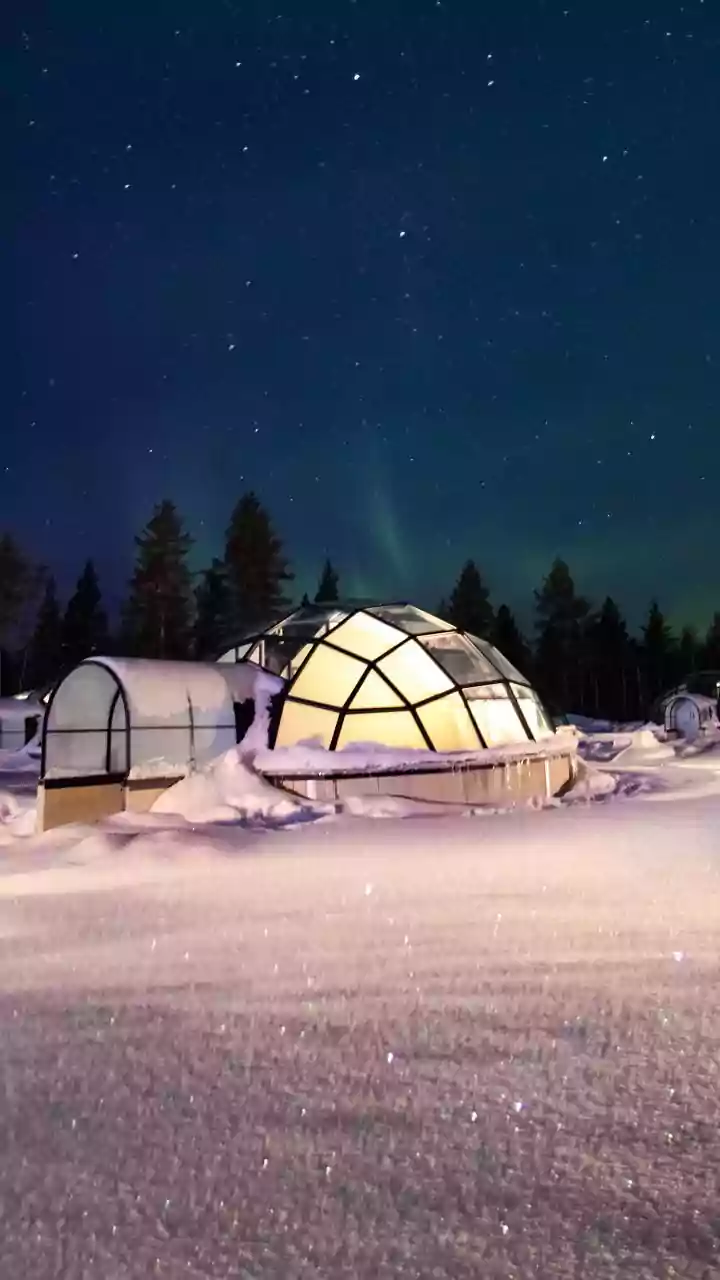
The most critical weather factor to understand is the dramatic temperature drop between day and night. While the afternoons are sunny and mild, the open desert landscape loses heat rapidly after sunset. Nighttime temperatures, particularly in December and January, can plummet to between 4°C and 10°C, and sometimes even lower. This significant diurnal swing often catches unprepared visitors by surprise. The biting cold after dark, often accompanied by a penetrating wind across the open salt flats, makes warm clothing an absolute necessity for enjoying the evening cultural programmes and the famous moonlit walks on the Rann.
Essential Packing for the Desert Climate
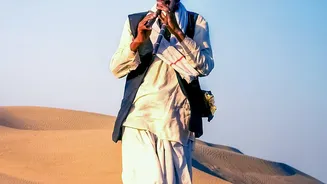
Packing strategically is key to a comfortable Rann Utsav experience. The core principle is layering. For the warm, sunny days, light cotton clothes, trousers, or kurtas are ideal. However, for the chilly evenings and frigid nights, warm layers are non-negotiable. Your packing list must include an insulated or down jacket, woollen sweaters, and shawls. Thermal innerwear is highly recommended, especially for visits in December and January. Don't forget accessories like a woollen cap or beanie, a scarf, and gloves, as they make a significant difference during nighttime excursions to the White Rann. The dry desert air also makes lip balm and a good moisturiser essential.
Footwear, Sun Protection, and Other Must-Haves
You will be doing a lot of walking, often on the uneven, salty ground of the Rann itself. Comfortable, closed-toe walking shoes or trainers are the best choice. Due to the white salt surface reflecting sunlight aggressively, a pair of good-quality sunglasses is not just a style accessory but a necessity to protect your eyes from the intense glare. Similarly, sunscreen with a high SPF is crucial, as the winter sun can be deceptive in the clear, dry air. A wide-brimmed hat will provide further protection during daytime explorations. Finally, since the nearest full-service town, Bhuj, is over 80 kilometres away, it is wise to carry a basic first-aid kit, any personal medications, and a power bank for your electronic devices.
Planning Activities Around the Weather
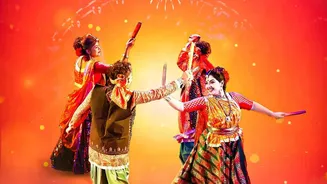
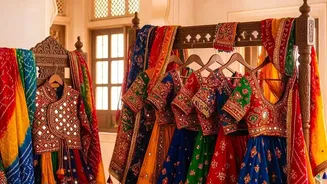
The pleasant winter weather opens up a host of activities that define the Rann Utsav experience. Plan your sightseeing and adventure activities like ATV rides or camel safaris for the warmer parts of the day. The evenings are reserved for the spectacular cultural performances, where you can enjoy folk music and dance under the stars, warmed by bonfires. Many visitors plan their trip to coincide with the full moon, when the salt desert glows in an ethereal light. The comfortable winter climate also makes day trips to nearby attractions like Kala Dungar, the highest point in Kutch with panoramic views, and the artisan villages of Hodka and Nirona, a pleasant and rewarding experience.