

The 'Feeling Better' Fallacy
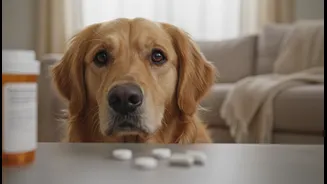
When your pet starts eating, playing, and cuddling again, it’s easy to assume they are cured. However, symptoms often disappear before the illness-causing agents, like bacteria, are completely eliminated from their system. Stopping treatment at the first
sign of improvement is a common mistake. The remaining, stronger pathogens can multiply, potentially causing a relapse that is often more severe and harder to treat than the initial illness. A pet feeling better is a sign the treatment is working, not a sign that it's no longer needed.
The Science Behind the Schedule
Veterinarians prescribe medications with a specific duration and dosage for a reason. This is especially critical for antibiotics. An antibiotic course is designed to wipe out the entire population of harmful bacteria. The first few doses kill the weakest germs, leading to a quick improvement in symptoms. But the more resilient bacteria survive longer. If you stop the medication early, these tougher survivors are left to multiply, creating a new infection that is resistant to the original antibiotic. This contributes to the growing global health crisis of antimicrobial resistance (AMR), which affects both animals and humans. Infections caused by resistant bacteria are difficult, sometimes impossible, to treat and can lead to longer, more expensive hospital stays.
Beyond Antibiotics: All Care Matters
This principle extends beyond just antibiotics. Whether it's post-surgery pain relief, anti-inflammatory drugs for arthritis, a special diet for kidney disease, or even activity restrictions after an injury, the full recommended period is vital. Some medications, like steroids, need to be tapered off gradually to allow the pet's body to readjust; stopping them suddenly can be dangerous and even life-threatening. Likewise, following instructions for post-operative care, including keeping the surgical site clean and restricting movement, is crucial for proper healing and preventing complications like infections or injury.
The Dangers of an Incomplete Treatment
Failing to follow your vet’s advice can have serious consequences. The most significant is a relapse of the illness, which may be more aggressive. It also fosters the development of drug-resistant infections, which are a serious threat to public health as these 'superbugs' can sometimes be passed from pets to people. Incomplete treatment can also lead to chronic conditions that are more difficult and costly to manage in the long run. What could have been a simple, treatable issue can become a long-term battle, causing unnecessary suffering for your pet and stress for you.
Tips for Staying the Course
We know it isn’t always easy to give medication to a pet. If you're struggling, don't just give up. Talk to your veterinarian. They may have practical solutions. For pills, you can try hiding them in a favourite treat or using specially designed 'pill pockets'. Some medications may be available in a different form, like a liquid or a transdermal gel. Setting daily reminders on your phone can help you stick to the schedule. Creating a positive routine, where medication is followed by a treat or praise, can also make the process less stressful for you and your pet. Never change the dose or stop a medication without consulting your vet first.