



The Soul of Simplicity
Risotto is a culinary paradox: its ingredients are humble, but the result is luxurious. At its heart, this Northern Italian classic is a testament to the magic of technique. The slow, patient process of coaxing starches from short-grain rice creates a sauce
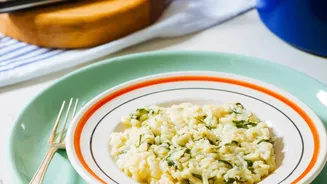
from within the grains themselves. There's no heavy cream needed for this velvety texture. When you introduce the sharp, aromatic notes of fresh lemon and the vibrant perfume of herbs, the dish transforms. The richness of the rice and Parmesan cheese is perfectly balanced by this bright acidity, creating a meal that feels both comforting and sophisticated.
Choosing Your All-Stars
A great risotto begins with great ingredients. The most critical choice is the rice. Look for Italian short-grain varieties like Arborio or Carnaroli. Arborio is widely available and cooks up creamy and forgiving, making it a great choice for beginners. Carnaroli, often called the 'king of risotto rice' by chefs, has a higher starch content and a firmer grain, which means it can produce an even creamier result and is less likely to overcook. For the liquid, a quality chicken or vegetable stock is essential; always keep it at a gentle simmer in a separate pot. Using cold stock will shock the rice and hinder that crucial starch release. Finally, use fresh lemon for both its zest and juice, real Parmesan cheese, and a medley of soft herbs like parsley, chives, basil, or dill.
The Risotto Ritual: A Step-by-Step Guide
Making risotto is a process, not a race. Embrace the rhythm. Start by gently cooking your aromatics—like finely diced onion or shallots—in butter and olive oil until soft. Next comes the 'tostatura', or toasting of the rice. Stir the dry grains in the pan for a minute until the edges turn translucent; this nutty aroma is the first layer of flavour. Deglaze the pan with a splash of dry white wine, stirring until it evaporates. Now, the main event begins. Add one ladleful of your simmering stock at a time, stirring gently and frequently. Don't add the next ladle until the previous one is almost fully absorbed. This process, which takes about 18-20 minutes, is what builds the creamy texture. The rice should be tender with a slight bite in the center, a state known as 'al dente'.
The Final Flourish
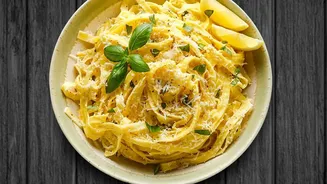
The final few moments are what elevate your risotto from good to gourmet. Once the rice is perfectly cooked, take the pot off the heat. This is when you perform the 'mantecatura', the vigorous stirring-in of fat to make it exceptionally creamy. Add a knob of cold butter and a generous amount of grated Parmesan cheese, stirring energetically until the risotto becomes glossy and emulsified. Immediately after, fold in your finishing touches. Add the lemon zest first to capture its aromatic oils, followed by the fresh herbs and a squeeze of lemon juice for acidity. Adding them at the very end ensures their colour stays bright and their flavours remain fresh and pronounced. Taste and adjust the seasoning with salt and pepper.
Serving and Savoring
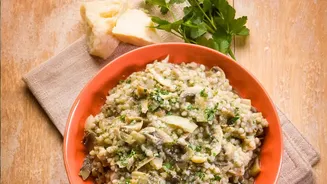
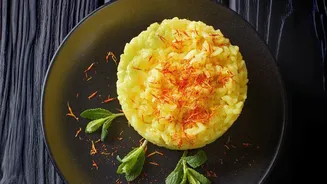
Risotto waits for no one. To enjoy it at its peak creaminess, it should be served immediately. A proper risotto should slowly spread on the plate, not hold its shape in a stiff mound. Serve it in warm, shallow bowls with an extra grating of Parmesan cheese and a scattering of fresh herbs on top. While this dish is a stunning vegetarian main course on its own, it also pairs beautifully with grilled shrimp, seared scallops, or a simple piece of roasted chicken. Don't worry about leftovers, either. While risotto can thicken in the fridge, it can be gently reheated on the stovetop with an extra splash of broth to bring it back to life.