








A Push for Cleaner City Air
The streets of Hyderabad are set to get a green makeover. The state government has announced the 'Telangana Auto Rickshaw Electric Conversion Scheme 2026', a Rs 200 crore initiative targeting 18,766 petrol and diesel auto-rickshaws currently operating
in the city's Core Urban Region (CURE). The primary goal is to combat the rising levels of vehicular pollution, a significant contributor to the city's deteriorating air quality. Of the targeted vehicles, 11,254 run on diesel and 7,512 on petrol, all of which contribute to tailpipe emissions. This policy is a key part of Chief Minister A. Revanth Reddy's broader vision to make Hyderabad a net-zero carbon city. By phasing out these internal combustion engine (ICE) vehicles, the government aims to reduce harmful emissions, cut down on noise pollution, and take a tangible step towards more sustainable public transport.
Two Choices for Auto Drivers
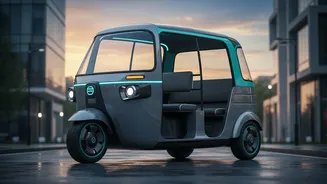
The scheme offers auto-rickshaw owners two distinct pathways to go electric. The first option is retrofitting. Drivers who wish to keep their existing vehicle's chassis can have it converted into an electric vehicle using an approved electric kit. The government will provide financial assistance of up to Rs 1.50 lakh, or the actual cost of the conversion, whichever is lower. This subsidy covers the price of the kit, installation, and other standard accessories, with drivers able to choose between fixed or swappable battery systems. The second option is replacement. An owner can choose to surrender their old petrol or diesel auto and purchase a brand-new, factory-built electric three-wheeler. For this option, a fixed subsidy of Rs 1.50 lakh will be provided, which empanelled dealers will deduct directly from the on-road price of the new vehicle.
Easing the Financial Burden
A key feature of the scheme is its focus on making the green transition economically viable for the drivers themselves. The substantial subsidy of up to Rs 1.50 lakh is designed to offset the high upfront cost of electric vehicles or retrofitting kits. Transport Minister Ponnam Prabhakar has stated that the initiative is intended to reduce the financial strain on drivers caused by volatile and rising fuel costs. The scheme is designed to be inclusive, with the financial assistance available to all eligible auto owners regardless of their social category. The Rs 200 crore budget is being pooled from the SC, ST, BC, and Minority Welfare Departments, with each contributing Rs 50 crore, to ensure wide accessibility. This financial support, combined with the 100% exemption on road tax and registration fees for new EVs in Telangana, aims to make the switch not just an environmental decision, but a sound economic one.
Implementation and Broader Vision
To ensure transparency and effective execution, the government has proposed a three-tier monitoring system. This structure will include a State-Level Steering Committee, a Scheme Implementation Committee, and District Sanction Committees headed by collectors. This initiative is part of the 'Telangana Rising Vision–2047' and builds upon the state's existing Electric Vehicle & Energy Storage Policy, which aims to attract billions in investment and create over 100,000 jobs in the EV sector. By focusing on auto-rickshaws, which are a critical part of last-mile connectivity in Indian cities, the scheme tackles a significant source of urban pollution head-on. It aligns with national goals like the FAME-II scheme and positions Telangana as a proactive state in India's broader shift towards electric mobility.