



From Last to First: A New Identity
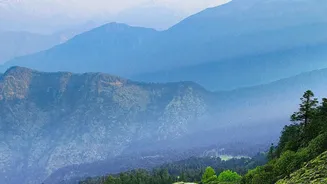
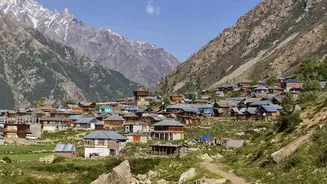
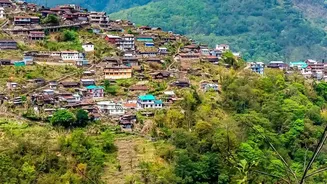
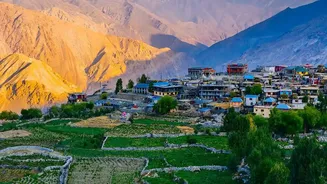
Perched at an altitude of 3,200 metres in Uttarakhand's Chamoli district, Mana has long been a key stop for pilgrims heading to the nearby Badrinath temple. Its previous title, 'The Last Indian Village', was a nod to its location just 26 kilometres from
the Indo-Tibetan border. However, a recent initiative has reframed this narrative. Instead of being the end of the road, it is now celebrated as the first settlement on the Indian frontier, a gateway to the nation's cultural and geographical wonders. This shift isn't just semantics; it's part of a broader push by the government to boost tourism and development in border villages, transforming them from remote outposts into vibrant destinations. The new designation as a 'Tourism Village' has brought a sense of excitement and opportunity to the local community.
Where Mythology Meets Raw Nature
Mana is a village steeped in stories, particularly from the epic Mahabharata. It is believed that the Pandavas passed through here on their final journey to heaven. This mythological connection is tangible in its key attractions. Vyas Gufa, an ancient cave, is said to be where the sage Ved Vyas composed the epic, with Lord Ganesha transcribing it in the nearby Ganesh Gufa. A short walk leads to Bheem Pul, a massive natural stone bridge over the roaring Saraswati River. Legend holds that Bheem, one of the Pandava brothers, placed the rock to help Draupadi cross. The village is also one of the few places where the mythical Saraswati River is visible before it disappears underground. For trekkers, trails lead to stunning sights like Vasudhara Falls and the high-altitude Satopanth Lake.
Life and Culture at the Edge
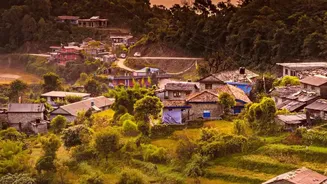
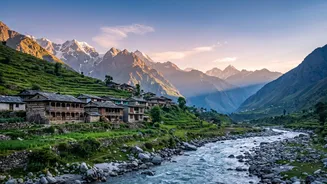
The village is home to the Bhotia community, a group of Indo-Mongolian descent with a unique cultural heritage. Their resilience and adaptation to the harsh, high-altitude environment are remarkable. Life here revolves around a short agricultural season, with locals growing potatoes and kidney beans. For centuries, the Bhotias were active traders along the route to Tibet. Today, they are renowned for their hand-woven woollen products, including shawls, carpets, and mufflers, which provide a vital source of income. A visit to Mana offers a chance to see their traditional stone-and-wood houses, interact with the warm and welcoming residents, and purchase authentic, locally made crafts directly from the artisans.
Beyond Mana: Uttarakhand's Other Village Jewels
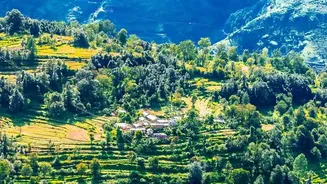
Mana's newfound fame highlights a growing interest in exploring Uttarakhand's lesser-known villages. In the Kumaon region, Munsiyari stands as a gateway to the Panchachuli peaks, offering breathtaking views and trekking opportunities to glaciers like Milam. Often called 'Little Kashmir' for its beauty, it's a haven for nature lovers and adventurers. In the Garhwal region, Harsil, known as the 'Apple Bowl of Uttarakhand', charms visitors with its dense deodar forests, sprawling apple orchards, and the tranquil Bhagirathi River. For those seeking true remoteness, Kalap in the Tons Valley is a village accessible only by foot, offering an unfiltered glimpse into traditional Garhwali life and sustainable eco-tourism.
Planning Your Himalayan Escape
The best time to visit Mana and other high-altitude villages is generally from May to early November. The region becomes inaccessible during the harsh winter months due to heavy snowfall. Mana is located just 3-4 km from Badrinath and is easily reachable by road from major hubs like Rishikesh and Dehradun. Accommodation ranges from guesthouses to homestays, offering an authentic local experience. When visiting, it's crucial to acclimatise to the high altitude, stay hydrated, and carry warm clothing regardless of the season, as mountain weather is unpredictable. Whether you're drawn by spirituality, adventure, or the desire to connect with a unique culture, these Himalayan villages offer a journey that is both profound and unforgettable.