







As the end of the financial year approaches, the Indian Space Research Organisation (ISRO) is gearing up for a flurry of activity. The coming months are packed with crucial launches that underscore India's expanding ambitions in space.
A Packed End to the Financial Year
The Indian Space
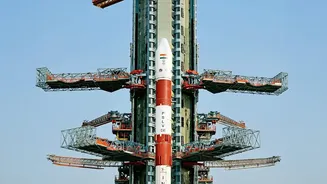
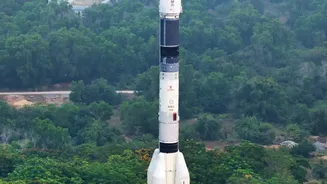
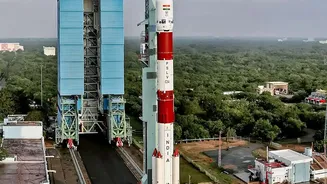
Research Organisation is targeting a busy schedule to close out the 2026-27 financial year, which concludes on March 31, 2027. Following recent successes, ISRO's Chairman V. Narayanan has indicated plans for at least five launches in this period. This ambitious timeline showcases the agency's increasing operational tempo and its ability to manage multiple complex missions concurrently. The planned launches are a diverse mix, reflecting a strategic balance between generating commercial revenue, enhancing national capabilities, and pushing the boundaries of space exploration with the flagship Gaganyaan human spaceflight programme. This condensed period of activity will rely on ISRO's full range of launch vehicles, from the reliable Polar Satellite Launch Vehicle (PSLV) to the newer Small Satellite Launch Vehicle (SSLV).
Gaganyaan's Uncrewed Test Takes Centre Stage
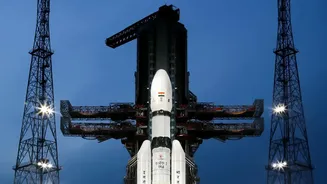
The most anticipated mission in the upcoming schedule is the first uncrewed flight of the Gaganyaan programme, designated G1. This mission is a critical milestone in India's quest to send astronauts into orbit. The G1 flight will test the human-rated launch vehicle and the performance of the crew module in the harsh environment of space. It will carry a humanoid robot named 'Vyommitra' to validate life-support systems and other critical technologies before any astronaut boards the capsule. Following a series of abort tests, like the successful TV-D1 in late 2023, this orbital flight will demonstrate key capabilities, including the module's safe re-entry into Earth's atmosphere and its subsequent recovery from the sea. A successful G1 mission is the essential next step before a second uncrewed test (G2) and the eventual historic crewed flight.
Commercial Focus with PSLV and SSLV
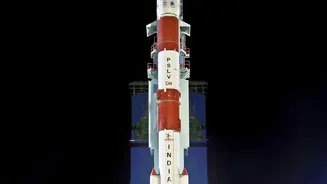
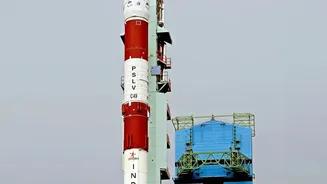
A significant portion of the planned launches is dedicated to commercial activities, reinforcing ISRO's growing stature in the global space market. The schedule reportedly includes at least two PSLV missions and two SSLV missions. The PSLV, often called ISRO's workhorse, is renowned for its reliability and cost-effectiveness in deploying satellites for international clients. These commercial launches are vital for generating revenue and strengthening diplomatic ties through space cooperation. The SSLV, designed for launching smaller satellites on demand, is also set to feature prominently. These missions cater to the booming global market for small satellite constellations used in communications and earth observation. The plan also includes the possibility of a launch by a private Indian space company, highlighting the government's push to foster a robust commercial space ecosystem within the country.
Strengthening National Infrastructure from Orbit
Beyond the headline-grabbing Gaganyaan and commercial flights, ISRO's upcoming missions will continue to strengthen India's critical space infrastructure. Missions to deploy advanced communication, navigation, and earth observation satellites are part of the broader plan. For instance, a launch is anticipated for the Oceansat-3A satellite in early 2027, which will enhance monitoring of our oceans. These satellites provide essential data for everything from weather forecasting and disaster management to urban planning, agriculture, and national security. The consistent effort to upgrade and expand these satellite constellations ensures that the benefits of India's space program directly impact the lives of its citizens and the functioning of the economy. The recent launch of the NVS-03 navigation satellite has already bolstered the NavIC system, and further launches will continue this trend.