





A State Under Water
The human cost of this year's monsoon has been tragically high. As of August 5, the Kerala government confirmed that 26 people have died in rain-related incidents, with another four still missing. The torrential downpours have caused rivers like the Pamba,
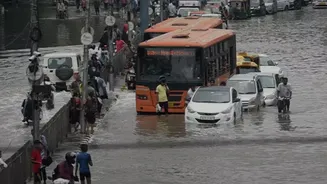
Manimala, and Achankovil to breach their banks, inundating homes and highways across central and northern Kerala. The districts of Pathanamthitta, Kottayam, and Alappuzha are among the worst affected, with scenes of residents wading through knee-deep water becoming commonplace. The continuous rain has saturated the fragile slopes of the Western Ghats, leading to scores of landslides, particularly in Idukki, which has been severely hit.
The Rush to Relief
The relentless rain has forced a massive exodus. Across the state, 462 relief camps are now providing shelter to 27,048 displaced people. The highest concentrations of camps are in Pathanamthitta, Kottayam, and Alappuzha, which have borne the brunt of the flooding. Rescue operations are in full swing, with National Disaster Response Force (NDRF) teams deployed across the state. These teams, along with local police and fire services, are using boats to reach stranded families and evacuate them to safety. Adding to the complexity, rescue workers in some areas have faced unexpected social hurdles, with reports of some families initially refusing to move to camps shared with people from different castes.
A Familiar, Fierce Pattern
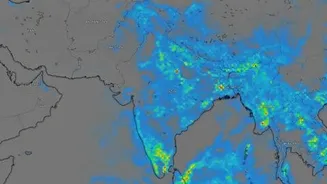
This deluge is a grimly familiar story for Kerala. The India Meteorological Department (IMD) issued red alerts for multiple districts, warning of extremely heavy rainfall exceeding 20 cm in 24 hours. This year's disaster unfolds eight years after the catastrophic floods of 2018, and experts note a worrying trend. The issue is not necessarily more annual rain, but its intensity. After a deficient monsoon until late July, some districts received massive amounts of rain in a single day, a hallmark of climate change colliding with decades of unsustainable land use and ecological degradation. The state's disaster response has improved since 2018, with better warning systems and coordination, but the recurring nature of these events highlights a deeper vulnerability.
Government Scrambles to Respond
The Kerala government, led by Chief Minister V.D. Satheesan, is coordinating a multi-pronged response. The state Cabinet has announced a series of relief measures, including financial assistance of ₹8 lakh for the families of each deceased person. Compensation for damaged homes and property has also been enhanced, with up to ₹6 lakh for fully destroyed houses. The government has also announced support for small businesses impacted by the floods and financial aid for the final rites of victims. The preliminary estimate for agricultural loss alone stands at over ₹67 crore, a figure that is expected to climb as assessments continue. While the immediate focus remains on rescue and relief, the state is once again confronted with the immense challenge of recovery and rebuilding.