

The Darjeeling Himalayan Railway
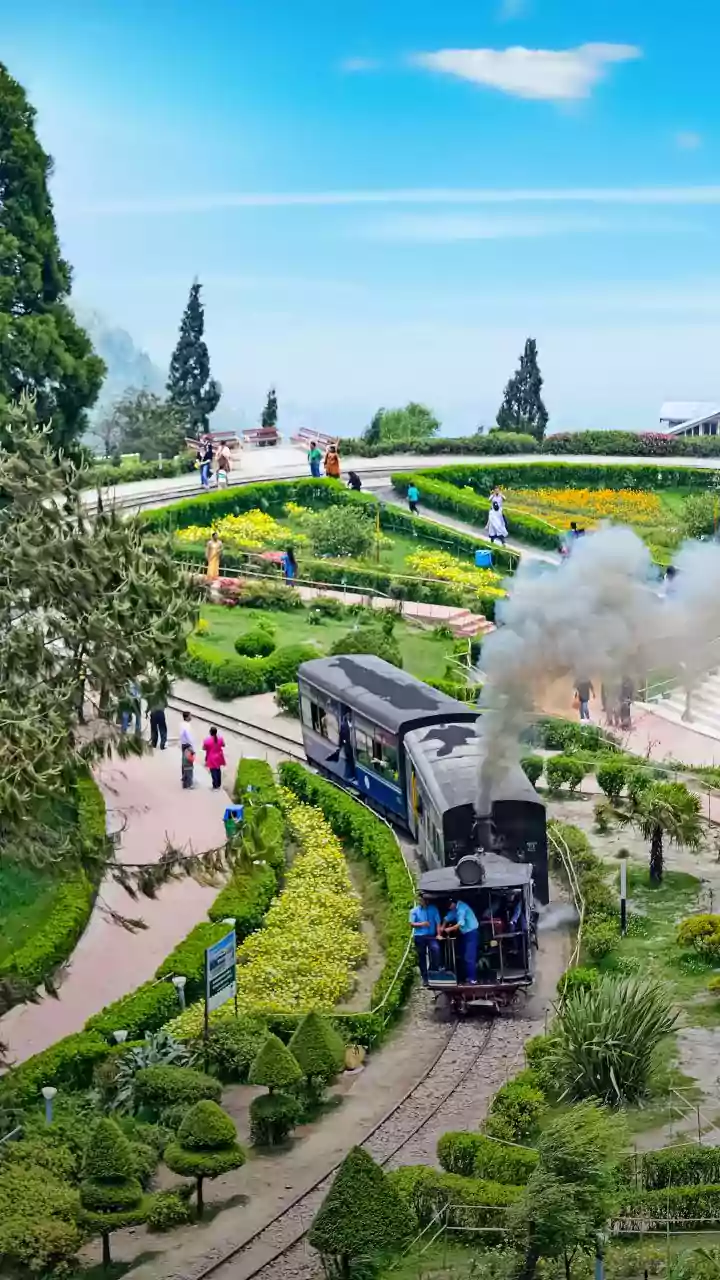
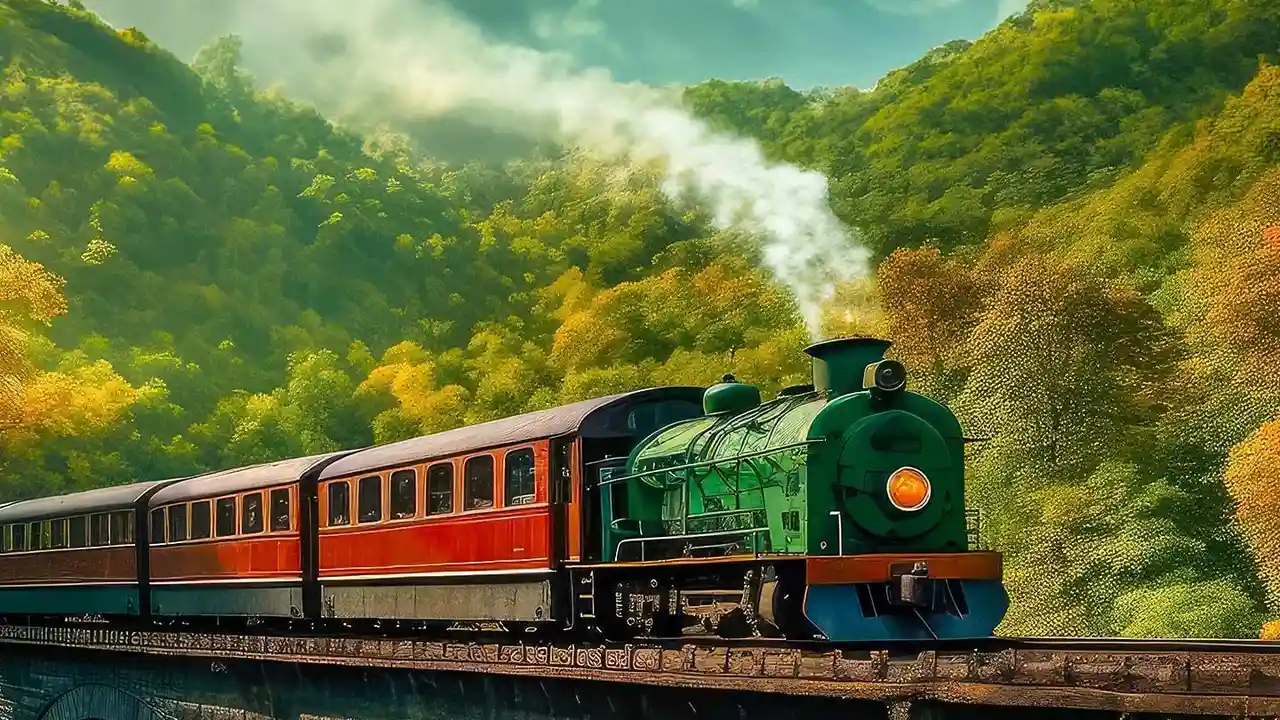
Affectionately known as the 'Toy Train', this UNESCO World Heritage Site offers a magical journey from New Jalpaiguri to Darjeeling. Built between 1879 and 1881, the narrow-gauge railway slowly winds its way up from the plains, ascending over 2,000 metres.
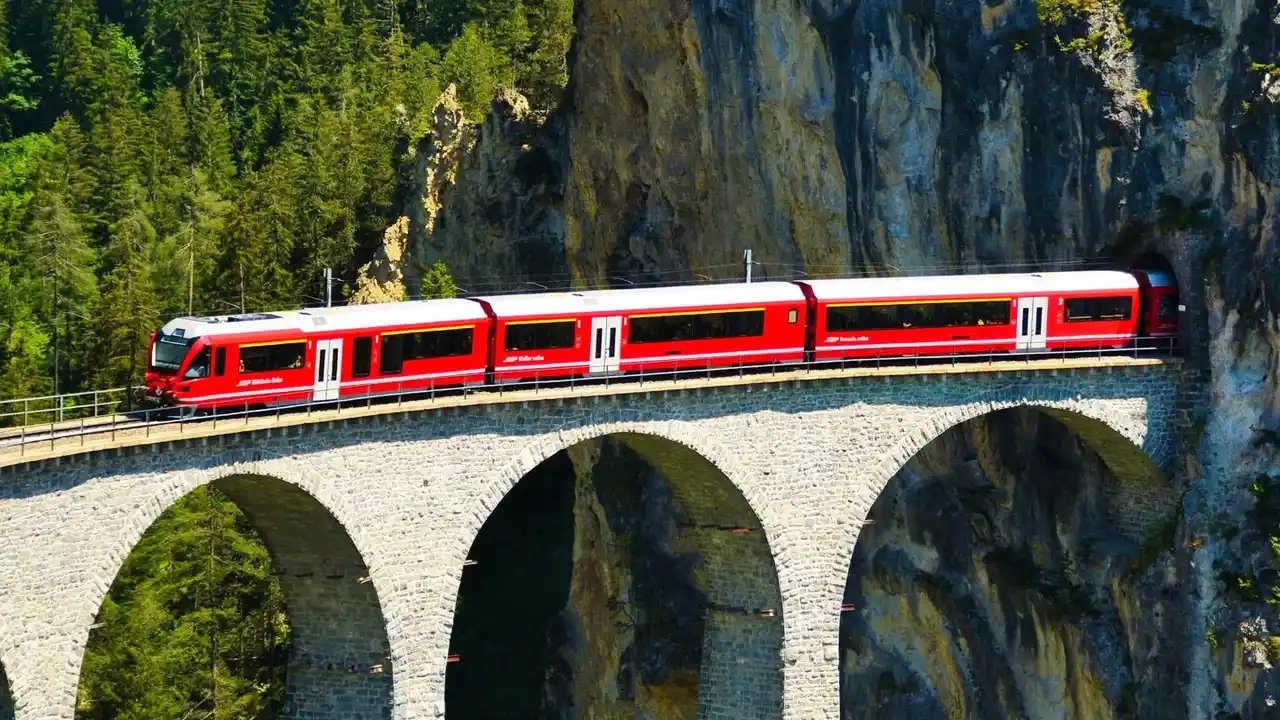
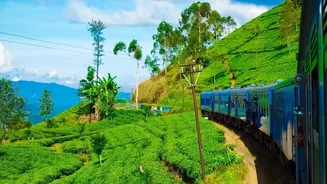
Pulled by a charming steam or diesel engine, the train navigates sharp curves and steep gradients, passing through bustling market towns and serene monasteries. The true highlight is the view: endless expanses of emerald tea gardens blanket the hillsides, while on clear days, the majestic Kanchenjunga peak dominates the horizon. A famous feature is the Batasia Loop, where the train completes a 360-degree turn, offering a panoramic vista of Darjeeling. This slow-paced, nostalgic ride is an unforgettable way to soak in the splendour of the Eastern Himalayas.
The Kalka-Shimla Railway
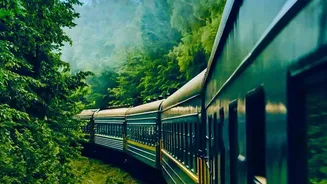
Another marvel of British engineering and a UNESCO World Heritage Site, the Kalka-Shimla Railway was built to connect the plains with Shimla, the former summer capital of British India. The journey begins in Kalka and climbs steadily into the Himalayan foothills. What makes this route remarkable is its passage through 102 tunnels and across more than 800 bridges, a testament to the ingenuity required to lay tracks through such rugged terrain. The train meanders through dense forests of pine and oak, offering sweeping views of the surrounding valleys and quaint hillside villages. The relatively short 96-kilometre journey takes about five to six hours, allowing passengers ample time to appreciate the crisp mountain air and the ever-changing scenery. In winter, the route transforms into a snowy wonderland, making it a truly picturesque experience.
The Nilgiri Mountain Railway
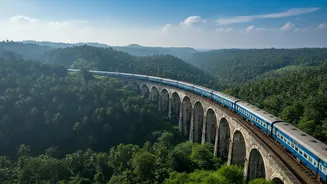
Connecting Mettupalayam with the popular hill station of Ooty in Tamil Nadu, the Nilgiri Mountain Railway is the only rack railway in India. This unique engineering solution helps the train navigate the steepest track in Asia, climbing through the beautiful Nilgiri hills, often called the 'Blue Mountains'. Part of the UNESCO Mountain Railways of India, the journey is a visual delight, chugging through dense forests, over girder bridges, and past rocky ravines. The vintage charm of the blue and cream coaches, powered by a steam locomotive on certain sections, adds to the appeal. This five-hour journey covers 46 kilometres, offering passengers a slow-moving spectacle of waterfalls, tea plantations, and the rich biodiversity of the Western Ghats. It’s a journey back in time through one of South India’s most beloved landscapes.
The Konkan Railway
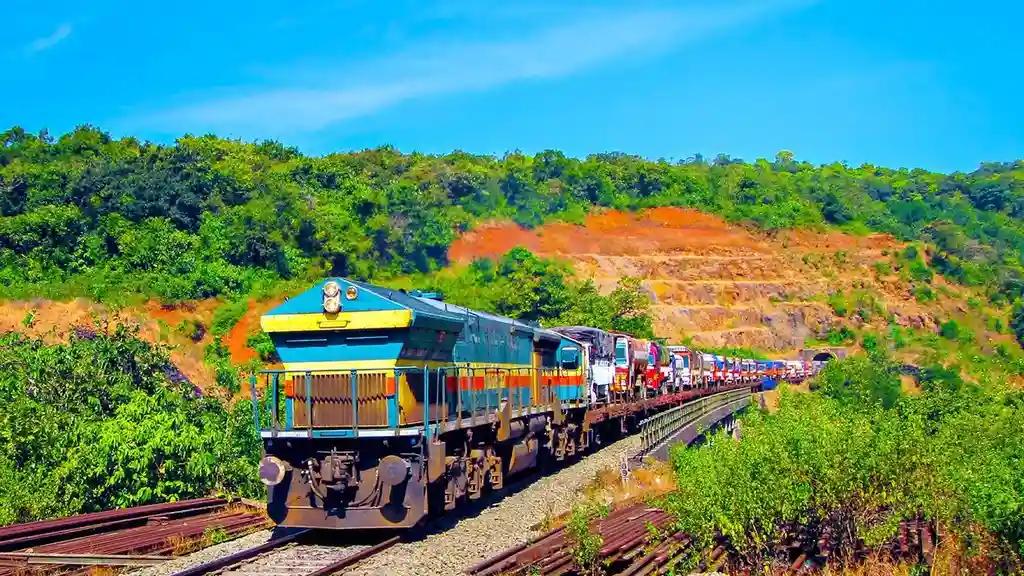
Shifting from the mountains to the coast, the Konkan Railway offers a completely different but equally stunning experience. Running along India's western shoreline, the route from the Mumbai region to Mangalore cuts a path between the Sahyadri hills and the Arabian Sea. Considered a modern engineering marvel, the line features over 2,000 bridges and 91 tunnels, slicing through some of the most challenging terrains. The scenery is a vibrant tapestry of lush green fields, coconut groves, winding rivers, and quaint villages. The journey is particularly magical during the monsoon season, when the landscape is at its most verdant and countless waterfalls cascade down the hillsides. The stretch through Goa, with glimpses of the sparkling sea and dense tropical flora, is a definite highlight of this coastal adventure.
The Kangra Valley Railway
While less famous than the Himalayan 'toy trains', the Kangra Valley Railway is a hidden gem that offers some of the most dramatic mountain views in the country. This narrow-gauge line connects Pathankot in Punjab to Joginder Nagar in Himachal Pradesh, covering a distance of 164 kilometres. Unlike other mountain railways that focus on steep climbs, this route was engineered with gentle gradients, allowing for an expansive, panoramic experience. The train journeys through the vast Kangra Valley, with the mighty, snow-capped Dhauladhar mountain range providing a constant, breathtaking backdrop. Crossing nearly 1,000 bridges, the train passes over rivers and streams while winding through idyllic pastoral landscapes of paddy fields and tea gardens, making it a serene and deeply immersive journey.