








A Landmark Tax Restructure
In a significant policy shift that took effect from September 22, 2025, the Indian government restructured the Goods and Services Tax (GST) on vehicles. Known as GST 2.0, this reform saw the tax rate on small cars—defined as petrol vehicles with engines
up to 1200cc and diesel vehicles up to 1500cc, under four metres in length—slashed from 28% to 18%. The previous system also included a variable compensation cess on top of the 28% GST, which has now been removed for these categories. This move was celebrated by industry bodies like the Society of Indian Automobile Manufacturers (SIAM) and the Federation of Automobile Dealers Associations (FADA) as a watershed moment for the sector, aimed at boosting affordability and reviving sluggish sales. For larger cars and SUVs, the rate was simplified to a flat 40%, also eliminating the complex cess structure.
The Small Car Comeback
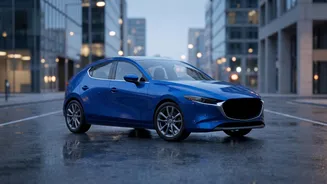
For years, the entry-level car segment had been losing ground to the booming popularity of SUVs. Rising input costs, stricter emission norms, and high taxation had pushed the prices of small hatchbacks up, making them less attractive to their core demographic of first-time and budget-conscious buyers. The GST reduction has directly addressed this affordability crisis. The significant price drop has led to a dramatic revival in demand. According to industry reports, the market share of entry-level hatchbacks has shown a modest but important recovery since the tax cut was implemented. FADA noted that much of this revival has been driven by renewed interest from rural markets, a key demographic for small cars. This resurgence proves that when prices are right, the demand for practical and economical personal transport remains incredibly strong across the country.
Maruti Suzuki Leads the Charge
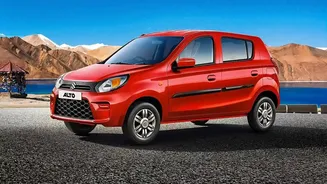
As the undisputed leader in India's small car market, Maruti Suzuki has become the primary beneficiary of this policy change. The company, which has historically dominated the hatchback segment with models like the Alto, WagonR, and Swift, reported a massive surge in sales following the GST cut. In the April to August 2026 period, Maruti Suzuki's passenger vehicle sales grew by about 36% year-on-year, with the entry-level segment alone skyrocketing by over 96%. The company's Chairman, R.C. Bhargava, noted that the GST reforms have provided a fresh impetus to the industry and that the share of small cars is expected to grow significantly faster in the coming years. This renewed strength in its core market has helped Maruti expand its overall market share to over 41%, reaffirming its strategic advantage.
Ripple Effects and the Road Ahead
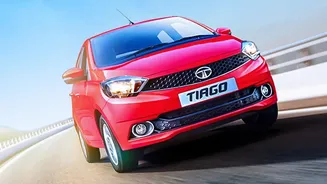
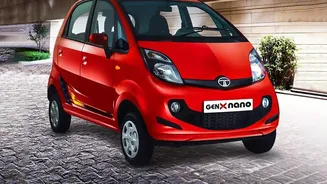
The impact of the GST cut extends beyond just one company. The entire auto retail sector has seen a significant uplift, with total vehicle sales climbing 20% in the 11 months since the reform. Automakers like Tata Motors have also seen benefits, gaining market share as demand for smaller, more affordable vehicles rises. The industry's positive momentum has prompted companies to accelerate their capital expenditure plans, which could have a wider multiplier effect on the economy. While the move has been largely successful, the transition wasn't without hitches. FADA had to approach the Supreme Court to address concerns over cess credits worth around Rs 2,500 crore that dealers had already paid on unsold inventory under the old tax regime. Looking forward, the focus remains on sustaining this growth. The revival of the small car segment is seen as crucial for the long-term health of India's automotive market, ensuring that the dream of owning a car remains within reach for a broader section of the population.