





More Than Just a Gym Supplement?
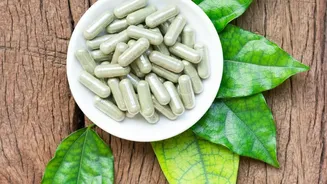
Creatine is one of the most well-researched sports supplements on the planet. It’s a naturally occurring compound that helps our muscles produce energy during heavy lifting or high-intensity exercise. This is why it’s long been popular for improving strength,
power, and muscle mass in conjunction with training. However, the conversation is starting to shift. Recent findings are exploring creatine’s role outside of athletic performance, particularly in scenarios where exercise isn't possible, and for middle-aged adults concerned about age-related muscle loss.
What the New Science Suggests
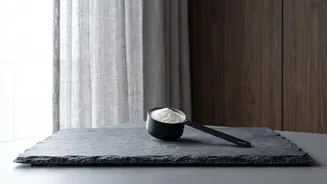
A recent 12-week study from Texas A&M University has caught the attention of the health and wellness community. Published in the Journal of the International Society of Sports Nutrition, the research involved 64 healthy adults between the ages of 45 and 65. The participants were divided into two main groups: one that followed a structured exercise and diet program, and one that did not. Within each group, some people were given 10 grams of creatine monohydrate daily, while others received a placebo. The results for the non-exercising group were particularly interesting. Those who took creatine without a formal workout plan still gained approximately 1.1 kg (about 2.4 pounds) of lean tissue over the 12 weeks and showed improvements in strength tests like the leg press and bench press.
How Does It Work Without Exercise?
The exact mechanisms are still being explored, but scientists have a few theories. One leading idea involves creatine's ability to pull water into muscle cells, a process known as cellular hydration. This cell swelling can act as a signal that stimulates protein synthesis and reduces protein breakdown, essentially creating a more favourable environment for muscle preservation, even without the stimulus of exercise. Other studies have focused on periods of immobilisation, such as after an injury when a limb is in a cast. Some research suggests that creatine supplementation can help lessen the amount of muscle mass and strength lost during such periods of disuse, though the evidence here is mixed. One study on arm immobilisation found it helped attenuate muscle loss, while another on leg immobilisation found no significant effect.
The Best Results Still Involve Exercise
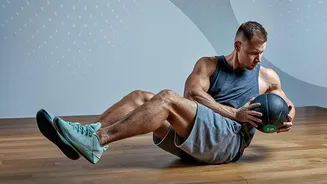
It's crucial to understand that while the findings are promising, they don't suggest creatine is a replacement for physical activity. In the same Texas A&M study, the group that combined creatine with exercise saw far greater benefits. They not only gained more strength but also experienced a greater reduction in body fat percentage compared to those who exercised with a placebo. This group gained nearly three pounds of lean tissue while also losing fat, highlighting that creatine works best as a powerful complement to an active lifestyle, not a substitute for it. Researchers were quick to point out that the clearest and most significant gains came when the supplement was paired with consistent training.
Limitations and Who Might Benefit
This new study was relatively small and short-term, so more research is needed to confirm these findings in a broader population. Furthermore, the cognitive benefits noted were considered exploratory and require more investigation. However, the results open up intriguing possibilities. This could be a valuable tool for individuals who are temporarily unable to exercise due to injury or illness, helping to mitigate muscle atrophy. It may also be beneficial for middle-aged and older adults who are at higher risk of sarcopenia, the natural loss of muscle mass and strength that comes with age. For these groups, maintaining muscle is crucial for mobility, metabolic health, and overall quality of life.