




Understanding the ZTL Challenge
The single most important acronym for any driver in Tuscany is ZTL, or 'Zona a Traffico Limitato'. These are limited traffic zones covering the historic hearts of most cities and towns, including Florence, Siena, and San Gimignano. Created to reduce congestion
and pollution, they protect ancient streets that were never designed for cars. Entry points are monitored by cameras that automatically scan your number plate. If your vehicle isn't on an approved list—which, as a tourist, it won't be—a fine is automatically generated and sent to you, sometimes months later via your rental car agency. The signs are a white circle with a red border, but they can be easy to miss when you're navigating unfamiliar, narrow streets. Some signs will have an electronic display saying 'varco attivo' (active gate), which means the restrictions are in effect and you cannot enter. Relying on GPS is a common mistake, as it often suggests the fastest route, which may lead directly into a ZTL.
The Golden Rule: Park Outside the Walls
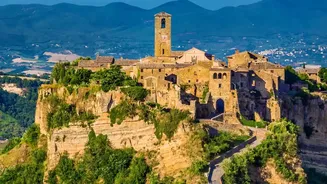
The simplest and most effective strategy is to never attempt to drive into the historic centre of any Tuscan hill town. Instead, make it your mission to park outside the medieval walls. Nearly every town has paid parking lots (parcheggi) located just outside its main gates. Look for parking signs with blue lines, which indicate paid parking; white lines are typically for residents only, and yellow lines are for disabled permit holders. These lots are your gateway to a stress-free visit. From there, it is almost always a short and scenic walk into the town itself. In larger or steeper towns like Siena, you can often find escalators or small shuttle buses to take you up to the centre. The cost of a few hours of parking is trivial compared to a ZTL fine, which can range from €80 to over €300, plus administrative fees from the rental company.
Solving Florence and Siena
Florence and Siena require special attention as their ZTLs are extensive. Driving in Florence's core is particularly ill-advised. A highly recommended solution is to use a 'park-and-ride' facility. The Villa Costanza car park, located directly off the A1 motorway, allows you to park your car and take the T1 tram line, reaching the city centre in about 20 minutes. Similarly, for Siena, the car park at the train station is a great option, with an escalator system that carries you up into the city. Another popular lot is near the Fortezza Medicea. By treating your car as transport between towns, not within them, you sidestep the biggest potential headaches. If your hotel is located within a ZTL, contact them in advance. They can often register your license plate with the local authorities for a temporary exemption to allow for dropping off luggage.
Embrace Short Driving Days
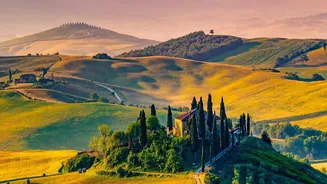
Tuscany's magic lies in its density. The distances between iconic locations are surprisingly short, rarely more than a 90-minute drive. This is a region that rewards a slower pace. Instead of trying to see everything, plan an itinerary with short driving days. This gives you more time to explore towns on foot, enjoy a leisurely lunch, or simply pull over to admire the view. A great strategy is to pick two or three bases for your trip rather than moving every night. For example, you could base yourself near Florence to explore the northern part of the region, then move to an 'agriturismo' (farm stay) in the Val d'Orcia to explore the southern hill towns like Pienza and Montepulciano. This minimizes time spent packing and unpacking and maximizes your enjoyment of the countryside. A 7 to 10-day trip allows for a comfortable pace without feeling rushed.