




A Surprising Discovery in a Cold Desert
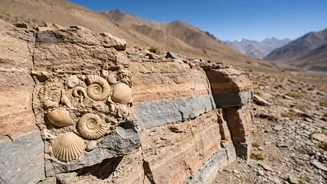
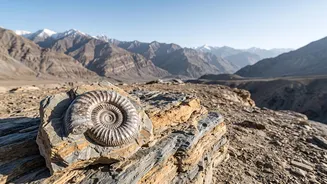
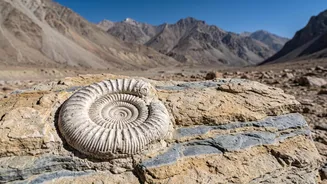
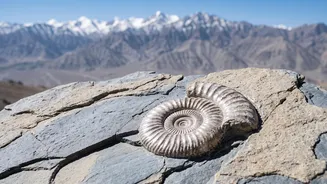
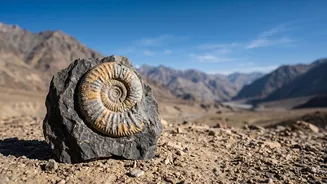
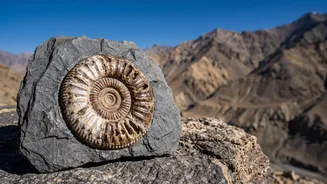
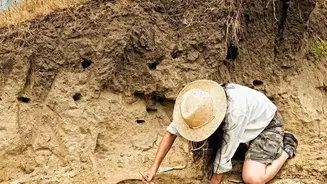
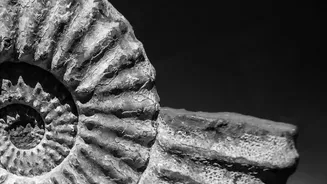
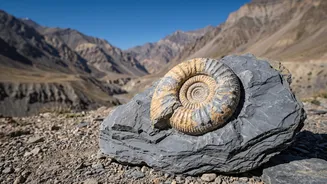
In the high-altitude Changthang region of eastern Ladakh, geologist Dr. Ritesh Arya has unearthed a significant collection of marine fossils. The discovery, made in Nyoma, includes an abundance of spiral-shaped gastropods (similar to snails), bivalves,
and oyster-like specimens. According to preliminary assessments, these fossils date back 34 to 38 million years to the Eocene epoch. For Dr. Arya, founder of the Tethys Fossil Museum, the moment of discovery was one of immediate recognition. He noted the striking similarity of the fossils to those commonly found in the Subathu Formation, a well-known geological layer in the outer Himalayas. The surprise, he said, was finding them in Nyoma, deep within Ladakh.
Echoes of the Ancient Tethys Sea
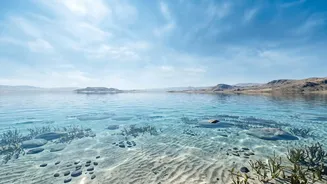
These are not just old shells; they are storytellers from a lost world. The fossils provide tangible proof that Ladakh, now a cold, windswept desert, was once submerged beneath a warm, shallow sea. This ancient body of water is known to geologists as the Tethys Sea, which separated the Indian and Eurasian landmasses millions of years ago. Discoveries of marine life are not new to the Himalayas—fossils have even been found near the summit of Mount Everest—but each new find helps to map the extent of this prehistoric ocean. The Nyoma fossils, along with fossilized palm trees and wood found in the area, paint a picture of a near-coastal environment that bears no resemblance to the Ladakh of today.
Connecting the Geological Dots
The true significance of the Nyoma find lies in its context. For years, scientists have studied fossils in other parts of the Himalayas to understand the region's past. The fossils from the Subathu Formation, for instance, are classic indicators of an Eocene marine environment. The Nyoma fossils are remarkable because they look just like them, suggesting the Subathu Sea extended much farther eastward into Ladakh than previously thought. This discovery adds a crucial new piece to the puzzle. Earlier research in nearby areas like the Kuksho and Liyan formations had primarily uncovered freshwater fossils, such as fish and molluscs, alongside plant matter. The confirmation of marine life at Nyoma bridges a major gap in the region's geological history.
From Ocean Floor to the Roof of the World
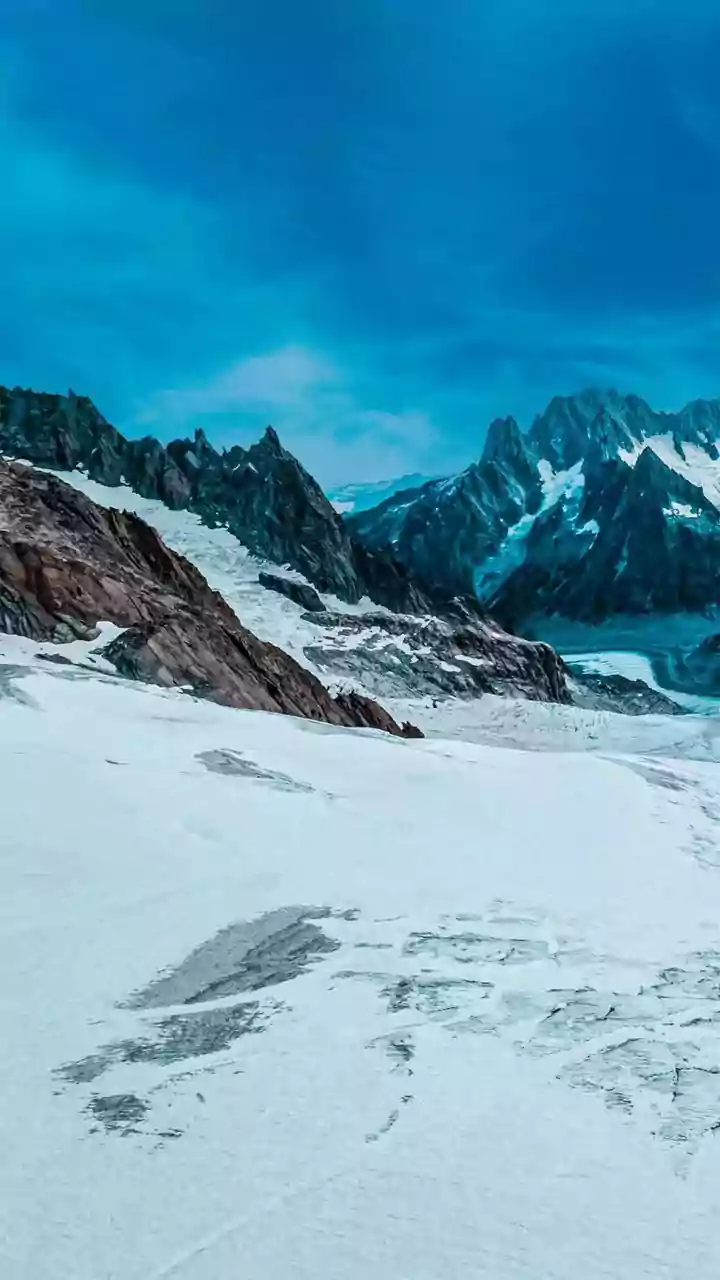
How does an ocean floor become one of the highest places on Earth? The answer lies in the monumental force of plate tectonics. Around 50 million years ago, the landmass that is now the Indian subcontinent was drifting northwards until it collided with the Eurasian plate. This slow-motion, continental-scale collision buckled and folded the Earth's crust, thrusting the seabed of the Tethys Sea upwards over tens of millions of years. This process created the mighty Himalayan range. The rocks and fossils that were once at the bottom of the ocean were lifted thousands of metres into the air, becoming preserved within the mountains themselves. Ladakh is considered a natural laboratory for studying this process, holding evidence of the entire mountain-building event.
Why This Ancient Seabed Matters Now
Unearthing these 38-million-year-old secrets is about more than just satisfying geological curiosity. It refines the timeline of the India-Asia collision, one of the most significant geological events in Earth's history. By mapping the ancient shorelines of the Tethys Sea, scientists can better understand the immense forces that shaped our planet. The specimens from Nyoma are currently undergoing detailed analysis to confirm their exact age and species. This work, praised by eminent paleontologists like Professor Ashok Sahni, injects critical new data into our understanding of Ladakh's deep past. Each fossil is a data point that helps reconstruct ancient climates and ecosystems, providing a baseline to understand long-term environmental change.