

More Than Just a Garnish
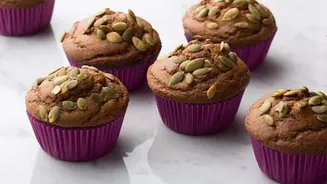
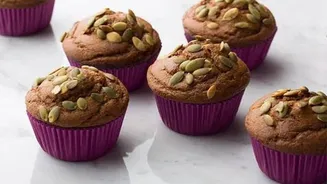
Think of seeds in baking, and you might picture a few sesame seeds scattered on a loaf of bread. But their potential is so much greater. In a pumpkin muffin, for example, the seeds—also known as pepitas—aren't just for decoration. When folded into the batter,
they provide a delightful, nutty crunch that contrasts with the soft crumb. They add a savoury depth that balances the sweetness, making the muffin more complex and satisfying. This simple addition elevates a standard treat into something special, showcasing how seeds can be a core component, not just an afterthought. They prove that integrating seeds is an easy step that offers a significant reward in the final product.
The Power of Texture and Nutrition
Beyond the delicious crunch, seeds are nutritional powerhouses that can make your favourite baked goods a little bit better for you. Pumpkin seeds, for instance, are packed with magnesium, zinc, and plant-based protein. Sunflower seeds bring vitamin E and healthy fats to the table, while tiny chia and flax seeds are celebrated for their fibre and omega-3 fatty acids. When you mix these into your doughs and batters, you’re not just adding texture; you're incorporating valuable nutrients. Flax and chia seeds have another trick up their sleeves: when mixed with water, they form a gel that can act as a binder, making them a popular egg substitute in vegan baking.
A Seed for Every Occasion
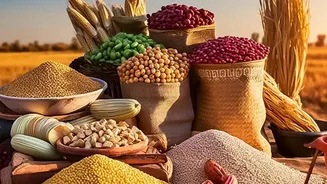
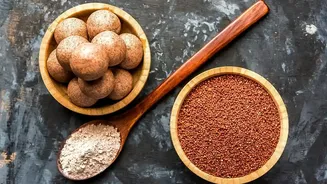
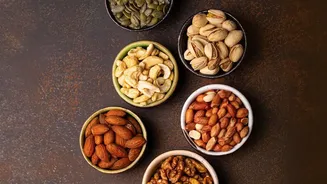
The world of baking seeds is wonderfully diverse, with each type offering a unique contribution. Here’s a quick guide to some of the most common options: - Pumpkin Seeds (Pepitas): Nutty and crunchy, they work beautifully in both sweet and savoury items like muffins, breads, and granola. - Sunflower Seeds: Mild and nutty, they add a fantastic crunch to cookies, breads, and even pie crusts. - Flaxseeds: Best used when ground to unlock their nutrients, they have an earthy flavour and are great in bread, muffins, and as an egg replacer. It's important to grind them, as whole seeds often pass through the body undigested. - Chia Seeds: These tiny seeds are neutral in flavour and can absorb a lot of liquid, making them excellent thickeners for puddings or as part of a seed cracker mix. - Sesame Seeds: Their rich, nutty taste is a classic for a reason. They are fantastic on bread crusts, in crackers, and even in some sweet treats.
Simple Techniques for Seed Success
Incorporating seeds into your baking doesn't require complex skills. One of the easiest ways to boost their flavour is to toast them. A few minutes in a dry pan on the stove or on a baking sheet in the oven releases their natural oils and deepens their nutty taste. Just be sure to watch them closely, as they can burn quickly. When adding seeds to bread dough, some bakers prefer to soak them first. Seeds are thirsty and can absorb moisture from the dough, potentially making your final loaf dry. Soaking them beforehand prevents this. However, for quick breads and muffins, you can often just mix them straight into the batter. For a decorative finish on a loaf of bread, an egg wash or even just water can act as a glue to help seeds adhere to the crust.
Beyond the Muffin Tin
Once you start baking with seeds, you'll see opportunities everywhere. Fold a mix of sunflower and pumpkin seeds into your next batch of no-knead bread for a hearty, textured loaf. Mix ground flax into your pancake or waffle batter for a nutritional boost. Create your own super-crispy crackers using just a blend of seeds like chia, flax, and sesame held together with a little water and oil. You can even grind them into seed flours to partially replace traditional flour in recipes, though you may need to adjust the liquid content as they absorb more water. From cookies and granola bars to savoury scones, seeds offer a simple way to add flavour, crunch, and a touch of wholesome goodness to almost any recipe in your repertoire.