






Defining the Goal: What is Agility?
Before we declare a winner, it's important to understand what agility truly is. It isn't just about moving fast. True agility is the ability to accelerate, decelerate, and change direction quickly while maintaining perfect control. It involves a complex
interplay of balance, coordination, speed, and reflexes. Think of a badminton player lunging for a drop shot or a dancer transitioning seamlessly between movements. That’s agility in action. It requires both explosive power to initiate a movement and the body awareness to execute it precisely without losing balance.
The Skipper's Edge: Power and Speed
Rope skipping is a powerhouse for developing explosive agility. The act of jumping rope is a form of plyometric exercise, which involves rapid movements that stretch and contract your muscles in quick succession. This trains your muscles to produce maximum force in the shortest possible time, directly enhancing your reactive power and speed. The constant, rhythmic bouncing conditions your feet and ankles to be light and quick, minimising ground contact time and improving your ability to react. This repetitive motion enhances coordination between your hands, feet, and eyes, which is a cornerstone of quick reflexes. For anyone looking to build fast-twitch muscle fibres and improve their ability to react instinctively, the skipping rope is an undisputed champion.
The Yogi's Foundation: Control and Awareness
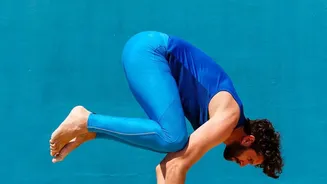
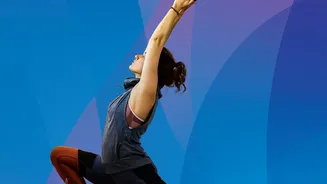
Yoga, on the other hand, builds agility from the ground up, focusing on control, stability, and body awareness. While it may not involve the high-speed repetitions of skipping, its contribution to agility is profound. Yoga excels at developing proprioception—your body's internal sense of its position in space. Holding balancing postures like Tree Pose or Warrior III forces you to make constant, tiny adjustments, strengthening the stabiliser muscles in your ankles, knees, and core. This heightened body awareness allows you to move with more confidence and precision, reducing the risk of injury. A flexible body, another key benefit of yoga, allows for a greater range of motion, enabling you to move more fluidly and efficiently. Yoga builds the stable, intelligent foundation upon which explosive movements can be safely performed.
The Verdict: Reactive Reflexes vs. Foundational Stability
So, which is better? The answer depends on your primary goal. For boosting raw speed and reactive reflexes quickly, rope skipping has a clear advantage. Its high-intensity, plyometric nature is specifically designed to make you faster and more explosive. However, this comparison isn't entirely a straightforward contest. Agility without control can be chaotic. Yoga provides the crucial elements of balance, core strength, and proprioception that allow you to harness that speed effectively. While rope skipping trains your body to react quickly, yoga trains your body to move with intention and stability. One builds the engine; the other perfects the steering and suspension.
A Perfect Partnership for Peak Performance
Instead of viewing rope skipping and yoga as competitors, the smartest approach is to see them as complementary partners in your fitness journey. Combining the two creates a well-rounded athlete. The explosive power you build from skipping can be channelled more effectively thanks to the core stability and balance you cultivate through yoga. Using yoga for flexibility and recovery can help soothe the muscles worked during intense skipping sessions, preventing injury and improving performance in the long run. Imagine starting your workout with a dynamic rope skipping session to fire up your nervous system and elevate your heart rate, then finishing with yoga to improve flexibility and calm your mind. This balanced routine leverages the strengths of both practices, leading to a more complete and sustainable form of agility.