




The Quest for the 'Shan'
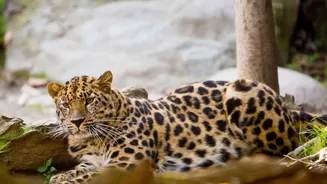
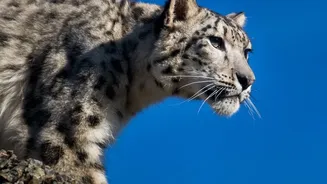
The snow leopard, or 'Shan' as it is known in Ladakhi, is a master of camouflage, its smoky-grey coat with dark rosettes melting perfectly into the rocky terrain. These solitary and powerful cats roam the high altitudes of Central and South Asia, with a significant
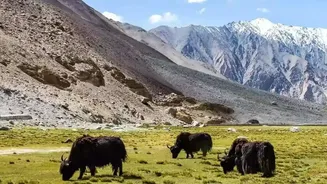
population found in Ladakh, especially within Hemis National Park, which boasts one of the highest densities of the species on Earth. The best time to embark on this adventure is in the harsh winter months, from November to March. During this period, the snow leopard's primary prey, the bharal (blue sheep) and ibex, move to lower altitudes in search of food, and the predators follow, bringing them within the range of dedicated tracking teams. Spotting one is the ultimate prize for any wildlife enthusiast, a moment that requires immense patience, sharp eyes, and the expertise of those who know the mountains best.
The Journey into the High-Altitude Desert
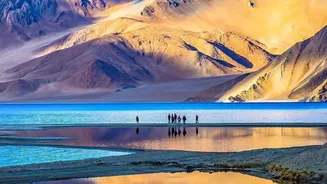
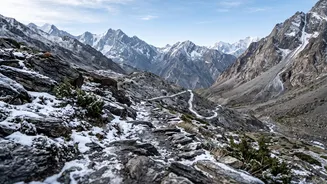
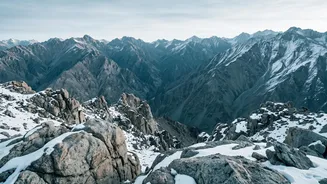
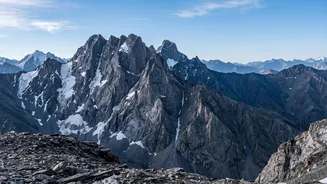
A snow leopard safari is not for the faint of heart. The journey typically begins with a flight into Leh, the capital of Ladakh, where spending at least two to three days to acclimatise to the altitude of over 11,000 feet is mandatory. From there, a 4x4 vehicle takes you deeper into the mountains, to places like the Ulley or Rumbak valleys, which have become famous for their reliable sightings. The days are spent with expert local trackers, who grew up in this territory and possess an intimate knowledge of the leopard's behaviour. They scan the ridges and valleys with high-powered spotting scopes, searching for tracks, kills, or the flick of a tail. The temperatures can plummet to -25°C, and the air is thin, but the stark, stunning beauty of the landscape and the thrill of the search are a powerful combination.
From Predator to Protector
Perhaps the most compelling part of this story is not just the wildlife, but the people. For generations, the snow leopard was seen as a threat to livestock, and retaliatory killings were a sad reality. However, a pioneering ecotourism model, spearheaded by organisations like the Snow Leopard Conservancy India Trust (SLC-IT), has transformed this relationship. The Himalayan Homestay Program, started in 2002, empowers local families, particularly women, to host tourists in their homes. This provides a direct economic incentive to protect the snow leopard, turning it from a pest into a prized asset. The men often work as highly skilled trackers and guides, their generational knowledge now a sought-after and respected profession.
A Virtuous Circle of Conservation
The success of this model has created what some call a 'virtuous circle'. Tourism revenue directly supports local families, offsetting any potential losses from livestock predation and funding better education for children. A portion of the income, often 10%, is pooled into a village conservation fund, which is used for projects like building predator-proof livestock pens, trail maintenance, and garbage management. This community-led conservation reduces human-wildlife conflict and fosters a deep-seated commitment to protecting the ecosystem. In a remarkable example, villagers in Ulley voluntarily set aside grazing land for the leopard's natural prey, strengthening the entire food chain. Recently, the Ladakh administration has also launched its own regulated high-altitude wildlife safari to further promote these community-based efforts.
Treading Lightly on Fragile Ground
While this form of tourism is a powerful conservation tool, it brings its own challenges. The Himalayan ecosystem is incredibly fragile. Unregulated tourism can lead to environmental degradation, including waste accumulation and disturbance to wildlife. Increased activity and noise can potentially disrupt animal behaviour, driving them away from their natural habitats. Therefore, the focus remains on responsible, low-impact travel. Tour operators work with small groups and rely on the expertise of local guides who ensure that the pursuit of the snow leopard does not harm it. The goal is to ensure that these safaris continue to benefit both the wildlife and the communities that have become their most dedicated guardians, maintaining a delicate but vital balance.