




Meet Your Obliques: The Core's Unsung Heroes
Your core is more than just the “six-pack” muscles, known as the rectus abdominis. Along the sides of your torso run the internal and external obliques, a powerful set of muscles responsible for twisting, bending sideways, and, most importantly, resisting
rotation. Think of them as your body's natural corset, connecting your ribcage to your pelvis and providing stability for your entire trunk. While many core exercises focus on flexion (like crunches), the obliques' main job is often to prevent unwanted movement, which is critical for maintaining proper form and generating power.
The Link Between Obliques and Upper Body Power
A strong upper body is built on a stable foundation, and that foundation is your core. When you perform upper body movements like a dumbbell press, a push-up, or a row, your obliques work overtime to keep your torso rigid and prevent it from twisting or bending. This stability is crucial for transferring force efficiently from the ground, through your core, and out to your limbs. Studies have shown that a significant portion of the energy for overhead movements, like throwing, originates from the core. If your obliques are weak, that energy leaks, forcing your shoulders and lower back to compensate, which reduces your power and dramatically increases your risk of injury.
Why Standard Planks Aren't Enough
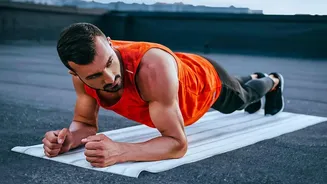
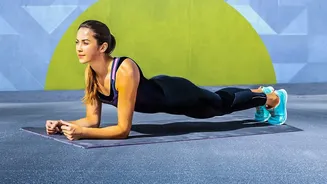
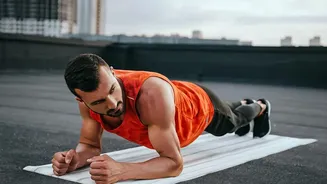
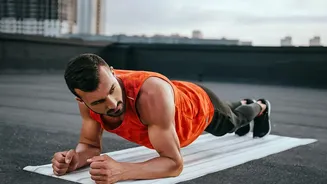
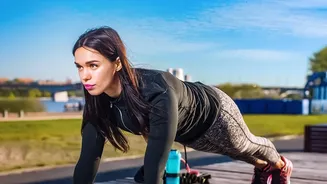
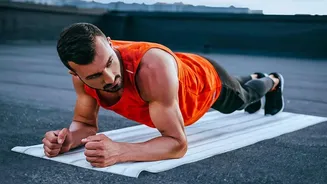
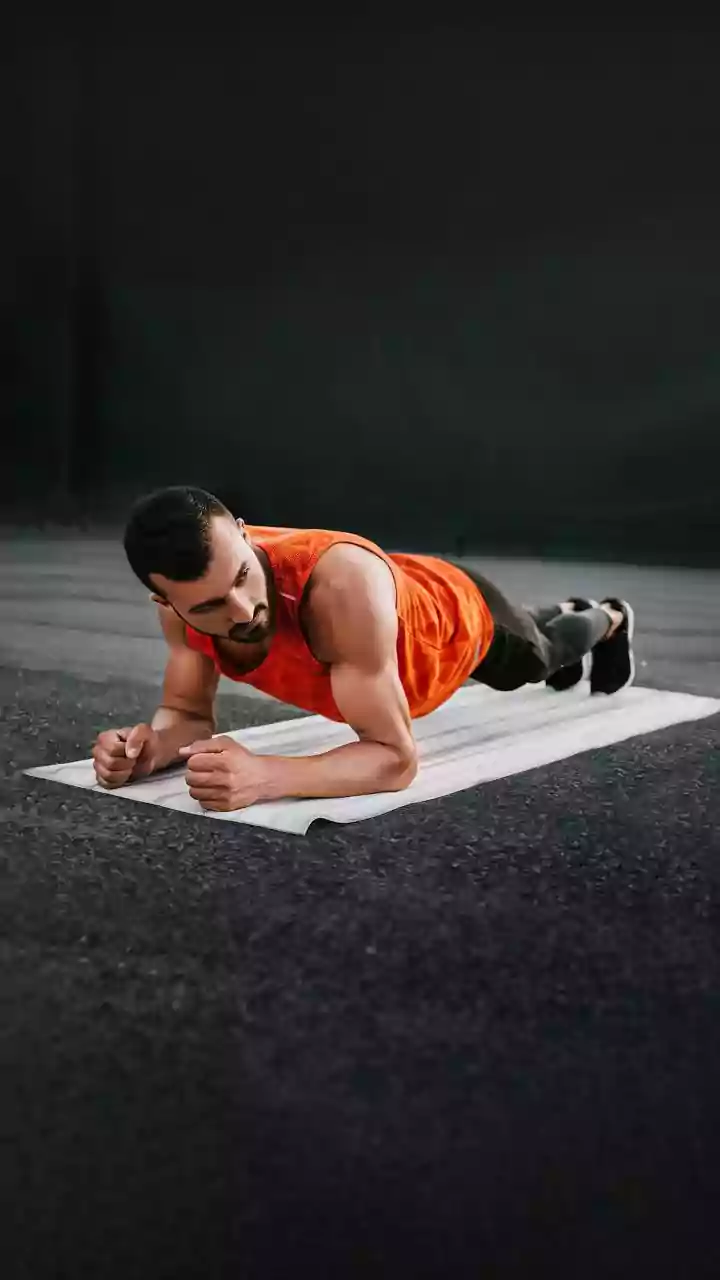
The traditional front plank is an excellent exercise for the front of your core, but it doesn't adequately challenge the lateral, or side, muscles like the obliques. Oblique-focused exercises, particularly side planks, challenge your body in a different plane of motion. They create an unstable environment where your deep stabilizing muscles around the spine, hips, and shoulders must fire up to keep you balanced. This anti-lateral flexion training—resisting the urge to let your hips sag—is what builds the real-world strength needed to carry groceries in one hand or stabilize your body during single-arm lifts without compromising your posture.
Essential Oblique Plank Variations to Try
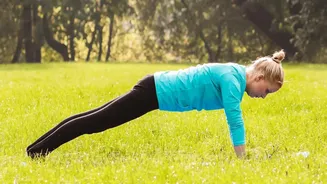
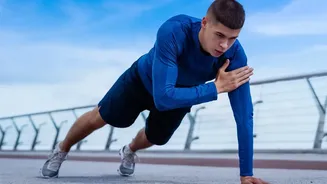
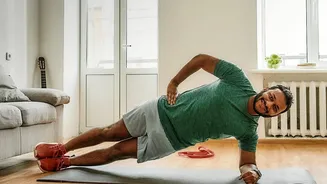
Incorporating plank variations that specifically target the obliques can make your entire routine more effective. Here are a few to get started: 1. Side Plank: This is the foundational move. Lie on your side, propped up on one forearm with your elbow directly under your shoulder and your feet stacked. Lift your hips until your body forms a straight line from head to feet. Focus on preventing your hips from dropping. This move strengthens the obliques, shoulders, and the gluteus medius, a key hip stabilizer. 2. Side Plank with Rotation: From a side plank position on your hand, reach your top arm toward the ceiling. Slowly rotate your torso to thread your top arm through the space underneath your body. Return to the start. This adds a dynamic rotational challenge, training your obliques to both control and create twisting movements. 3. Plank Hip Dips: Start in a standard forearm plank. Slowly rotate your hips to one side, dipping them toward the floor without touching it. Return to the center and repeat on the other side. This movement targets the obliques by controlling the side-to-side motion. 4. Spiderman Plank: From a standard high plank (on your hands), bring your right knee toward your right elbow, engaging your obliques. Return to the starting position and repeat on the left side. This variation combines core stability with hip mobility and oblique activation.
How to Add Them to Your Workout
You don't need to dedicate an entire day to oblique training. A simple and effective strategy is to add two or three of these plank variations to the end of your upper body or full-body workouts. Aim for 2-3 sets, holding static planks for 30-60 seconds or performing 10-12 repetitions per side for dynamic movements. The goal is to feel the work in the sides of your core, not your lower back. By consistently challenging your obliques, you build a more resilient and integrated core that supports every other lift you do.