





Why Monsoon Watering Is Different
During hot summers, daily watering is often a necessity. The monsoon, however, changes everything. Increased humidity, lower temperatures, and overcast skies mean that soil dries out much more slowly. Continuing a summer watering schedule is one of the
fastest ways to harm your plants during the rainy season. The primary risk shifts from dehydration to overwatering, a condition that can suffocate roots and lead to fatal root rot. The key is to move away from a fixed schedule and instead learn to read the needs of each individual plant based on its specific location and exposure to rain.
For Pots Exposed to Rain
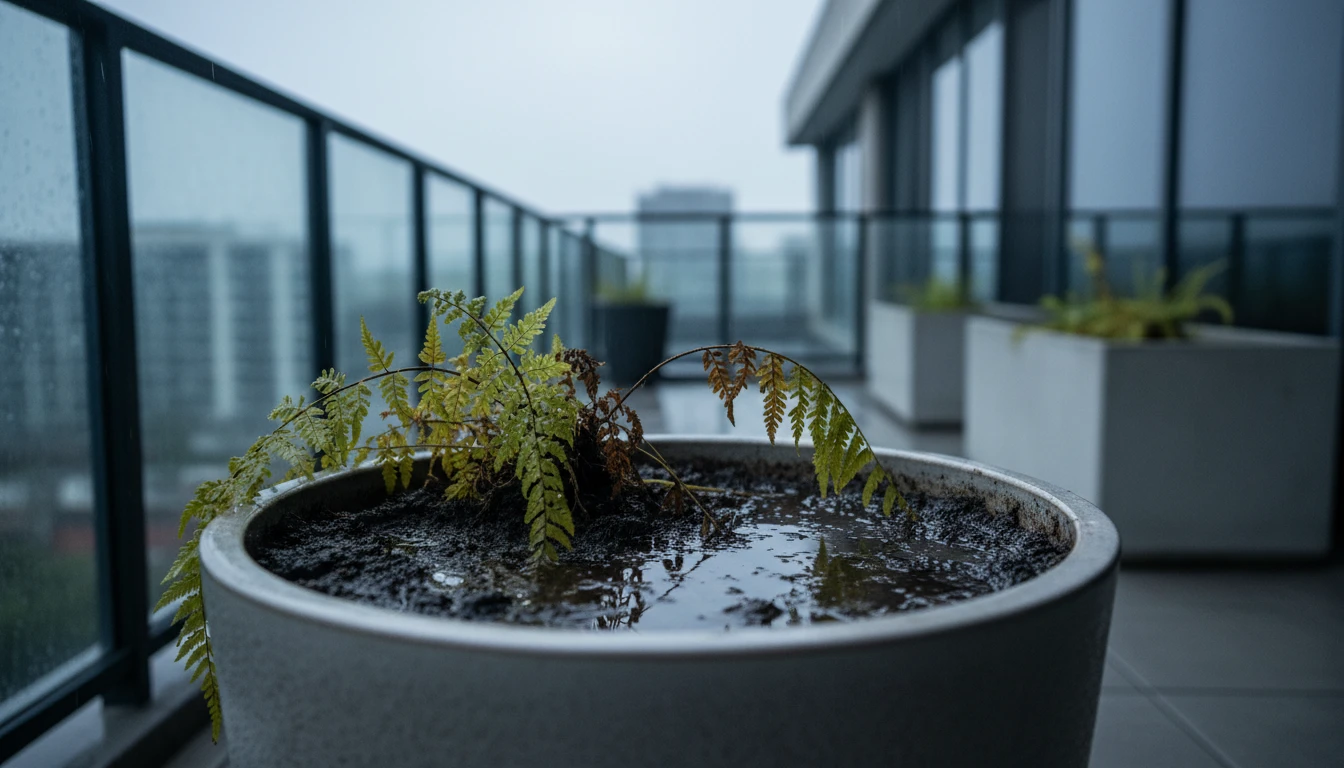
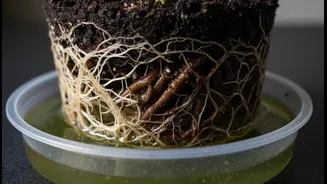
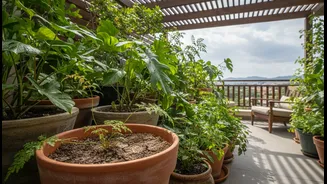
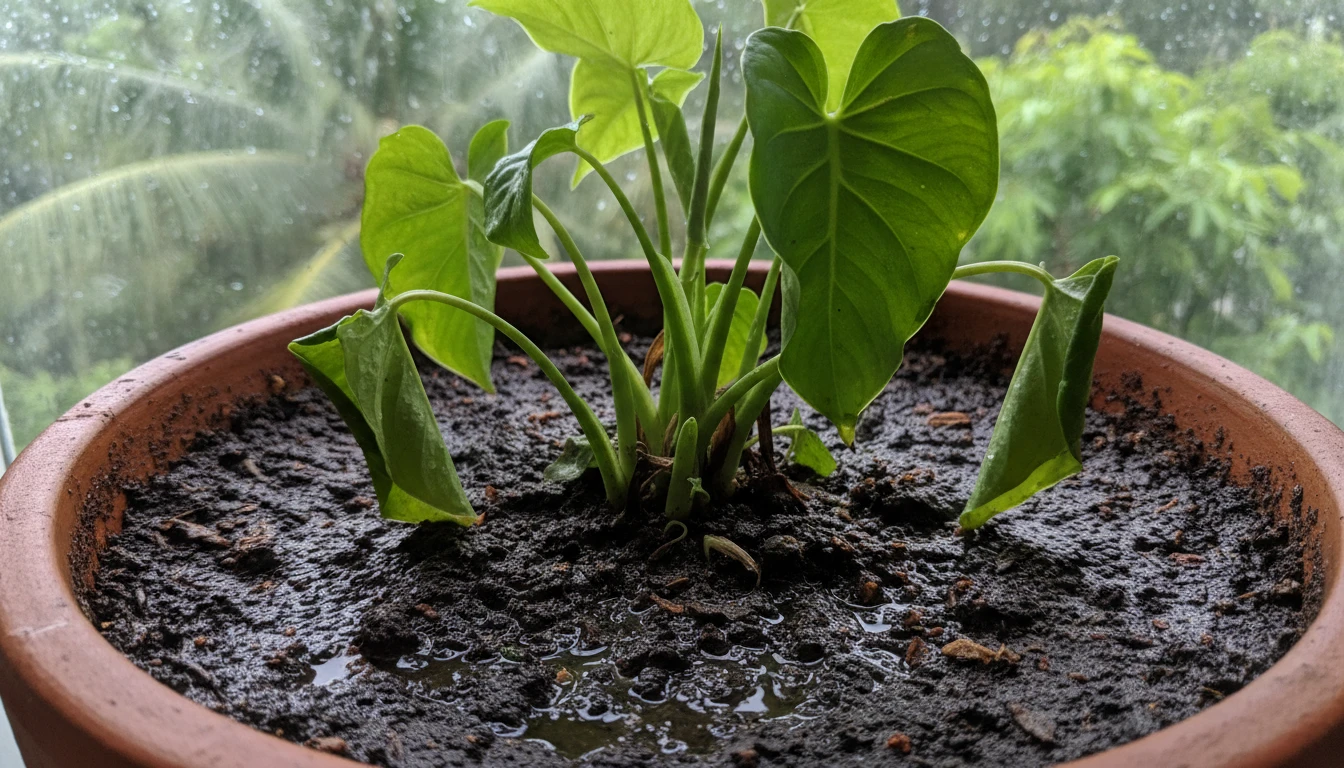
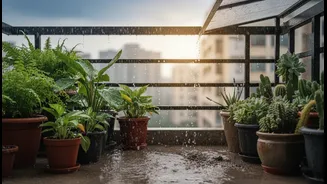
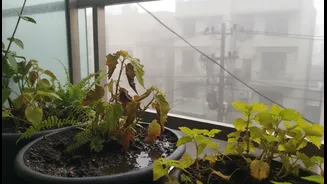
For balcony plants sitting directly in the rain, your main job is to prevent waterlogging. These pots will rarely, if ever, need additional watering from you. Instead, your focus should be on ensuring excellent drainage. Before the monsoon begins, check that the drainage holes in your pots are clear and not blocked by compacted soil. Elevating pots on stands or bricks can also significantly improve drainage by allowing excess water to escape freely. A common and dangerous mistake is letting pots sit in trays that collect water; this standing water not only suffocates roots but also becomes a breeding ground for mosquitoes. If you notice leaves turning yellow or feeling soft, or if the soil smells foul, these are classic signs of overwatering and root rot.
For Pots Under a Covered Balcony
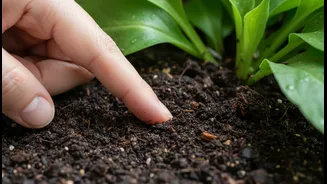
It's easy to assume that plants on a covered balcony are safe from monsoon-related issues, but they face their own challenges. While protected from downpours, they are still living in a high-humidity environment, which means they don't dry out as fast as they do in summer. However, they receive no rainwater, so they are entirely dependent on you for moisture. Do not stop watering them completely. The solution is the 'finger test': before watering, stick your finger about an inch or two into the soil. If it feels dry at that depth, it's time to water. If it still feels moist, wait another day or two and check again. Plants in covered areas are more likely to be underwatered during monsoon if you mistakenly assume the humid air is enough for them. Signs of underwatering include drooping leaves that feel dry and brittle, and soil pulling away from the sides of the pot.
Universal Monsoon Care Tips
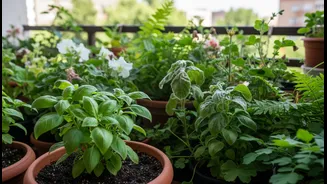
Regardless of where your pots are, a few habits can help all your plants thrive. First, always water the soil directly, not the leaves. Wet foliage in a humid environment is an open invitation for fungal diseases. Second, ensure good air circulation by not crowding your pots too closely together. This helps both leaves and soil surface dry more effectively. Pruning dead or yellowing leaves also improves airflow and reduces the risk of disease. Finally, hold back on fertilizing. Heavy rains can wash nutrients out of the soil in exposed pots, but it's best to wait for a break in the weather to fertilize, as stressed roots from overwatering can't absorb nutrients properly.
Reading the Distress Signals
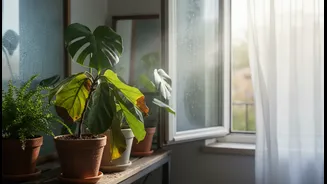
Your plants will tell you if you're getting it wrong. Learning the difference between the signs of overwatering and underwatering is crucial. Overwatered plants often have yellowing leaves, but they feel soft or mushy. The plant might wilt even though the soil is wet, which is a confusing but clear sign that the roots are rotting and can no longer absorb water. You might also see mould on the soil's surface. In contrast, an underwatered plant's leaves will also wilt, but they will feel crispy and dry. The soil will be bone-dry to the touch, and you might see it shrinking away from the pot's edges. Paying close attention to these signals allows you to correct your watering strategy before serious damage is done.