




More Than Just Mud
It’s easy to dismiss dirty paws as just a bit of soil, but your dog's pads act like tiny sponges, picking up more than you might realise. Each walk can expose them to allergens like pollen, pollutants, and bacteria from the ground. These unwanted passengers
are then tracked directly into your home, settling on floors and furniture. For households with allergy sufferers or small children, this can be a particular concern. Furthermore, chemicals from treated lawns or roads can cling to paws, causing irritation or becoming toxic if your dog licks them off. Regularly cleaning your dog’s paws is a simple act of hygiene that breaks this chain of transmission, contributing to a healthier environment for both your family and your pet.
Method 1: The Simple Towel or Wipe
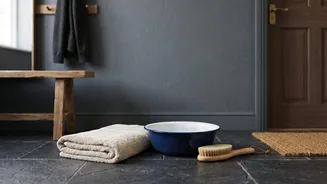
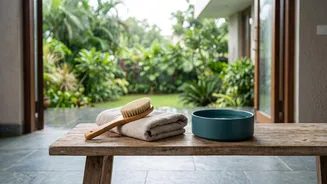
For daily, low-mess clean-ups, a dedicated paw towel or specialised pet wipes are the most convenient options. Keep a soft, absorbent towel by the door to give paws a thorough drying and rubbing down after every walk, especially on rainy days. This simple action removes surface-level dirt and moisture. Pet-safe grooming wipes offer a step up, designed to be gentle on skin while effectively removing grime. When choosing wipes, always opt for veterinarian-approved products that are free from alcohol and harsh fragrances, which can irritate your dog’s skin. While this method is quick and easy, it's best for light dirt and may not be sufficient for very muddy paws.
Method 2: The Paw Washer Plunge
For a deeper clean without the hassle of a full bath, consider a paw washer or cleaning cup. These clever devices are typically silicone-lined cups with soft bristles inside. You add a small amount of water, insert your dog's paw, and gently twist. The bristles work to dislodge mud and debris from between the pads and around the nails. This method is highly effective for dealing with mud after a monsoon walk or a romp in the park. After using the washer, it’s crucial to dry each paw thoroughly with a towel, paying special attention to the area between the toes to prevent moisture buildup, which can lead to skin irritation or fungal issues.
Method 3: The Full Paw Bath
When paws are exceptionally dirty or have come into contact with something sticky or potentially harmful, a proper wash is in order. You can do this in a sink for a small dog or in the bathtub with a sprayer for a larger one. Use lukewarm water and a small amount of mild, dog-safe shampoo. Gently massage the shampoo into the paw pads and between the toes before rinsing thoroughly to ensure no residue is left behind. This is also a perfect opportunity to perform a quick health check. Look for any cuts, cracks, thorns, or signs of swelling. Regular checks can help you catch minor injuries before they become serious problems.
Safe DIY Solutions and Aftercare
You don't always need special products for an effective clean. A simple and safe DIY rinse can be made by mixing one part white vinegar with two parts lukewarm water. This solution can help inhibit yeast growth and is a gentle antimicrobial. Never use this on paws with open cuts, as it will sting. After any cleaning routine that involves water, drying is a critical step. Once the paws are clean and dry, you might consider applying a paw balm or wax, especially in India where hot pavements in summer and dry air in winter can lead to cracked pads. A good balm moisturises and creates a protective barrier for the next adventure.