





What is El Niño and Why Does It Matter?
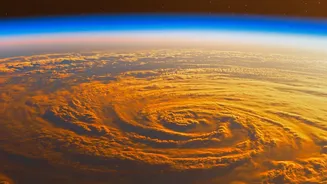
El Niño is a naturally occurring climate phenomenon marked by the unusual warming of sea surface temperatures in the central and eastern Pacific Ocean. Think of it as a large area of warm water that disrupts normal atmospheric circulation patterns across
the globe. For India, this disruption is critical. The southwest monsoon, which delivers about 70% of the country's annual rainfall, is historically weakened during El Niño years. With nearly half of India's farmland lacking irrigation, the monsoon is the lifeblood of the agricultural sector, which provides a livelihood for a massive portion of the population. A weak monsoon can trigger a cascade of economic problems, making El Niño a key variable for the nation's economic health.
The 2026 Monsoon Forecast
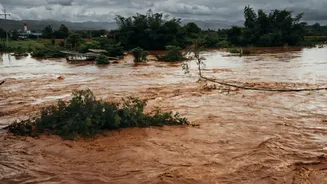
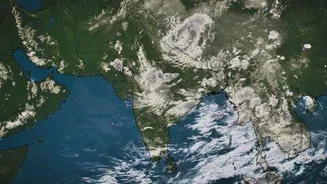
The India Meteorological Department (IMD) is forecasting a strengthening El Niño through the remainder of the 2026 monsoon season. After a significant rainfall deficit in June, the monsoon saw a recovery in July. However, the forecast for August and September is for below-normal rainfall, likely less than 94% of the long-period average. As of early August, the country's cumulative rainfall deficit stood at 12%. While some regions have received excess rain, the distribution has been highly uneven, with nearly half of the country's districts still experiencing deficient rainfall. The IMD has directly linked the suppressed monsoon circulation to the intensifying El Niño conditions. This outlook raises serious concerns for the second half of the season, a critical period for crop growth.
The Ripple Effect on Your Wallet
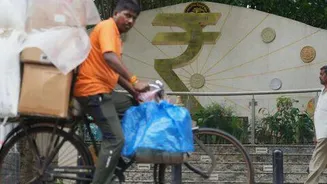
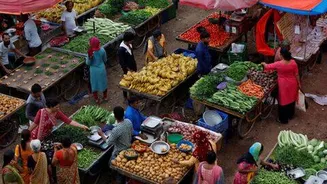
A weak monsoon's first and most direct impact is on agriculture. Delayed or insufficient rains can reduce soil moisture, hinder the sowing of kharif (summer) crops, and ultimately lower yields. Crops like rice, pulses, coarse cereals, and oilseeds are particularly vulnerable. This has a direct consequence on food prices. Tighter supplies in the market lead to inflation, an effect already being seen with rice prices, which have climbed over 10% in recent weeks due to supply concerns. This isn't just a problem for farmers; it affects every household budget. Lower farm incomes also dampen rural demand for goods like two-wheelers and other consumer products, slowing down the broader economy.
Pressure on the Power Grid
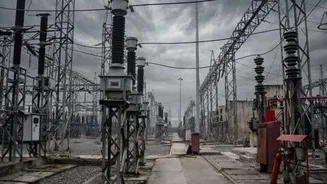
The impact of El Niño extends beyond farms and markets to the country's power supply. India faces a dual challenge: higher temperatures drive up demand for electricity, primarily for air conditioning, while a weak monsoon reduces the supply from renewable sources. Lower rainfall means depleted reservoirs, which directly curtails hydropower generation. Hydropower is a crucial and flexible part of India's energy mix, and a significant decline puts immense pressure on the grid. At the same time, El Niño conditions can also weaken wind speeds, further limiting generation from wind turbines. To bridge this gap between surging demand and falling renewable output, the country often has to rely more heavily on coal-fired power plants, leading to increased emissions and costs.