





The Foundation of Warmth
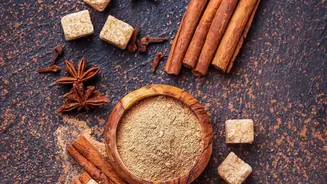
At the heart of autumnal and winter baking is a category of spices collectively known as “warm spices.” This group, which includes cinnamon, nutmeg, ginger, allspice, and cloves, provides the foundational notes that turn a simple batter into a rich, aromatic
experience. Their flavour compounds are largely oil-soluble, meaning they bloom beautifully in the fats used in baking, like butter and oil. A simple trick to amplify their flavour is to gently warm the spices in a tablespoon of melted butter for about 30 seconds before incorporating them into your dough or batter. This small step helps the spice character distribute more evenly, creating a more integrated and developed taste in the final product.
Cinnamon and Nutmeg: The Workhorses
Cinnamon and nutmeg are the reliable pillars of the spice cabinet. Cinnamon provides a familiar, sweet warmth that can be dialled up or down. In a standard batch of cookies, one teaspoon offers a pleasant, supporting note, while two teaspoons will make cinnamon the star. Nutmeg, its woody and complex cousin, is best when freshly grated. The difference between pre-ground and fresh is night and day; a microplane zester is your best friend here. While they are often used together, they are not directly interchangeable. Cinnamon brings the primary warmth, while nutmeg adds an aromatic, slightly more sophisticated layer.
Clove: Handle With Care
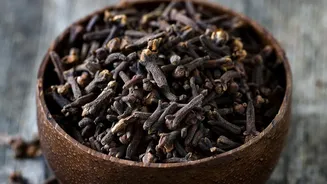
And then there is clove. Potent, pungent, and deeply aromatic, clove is a spice that demands respect. Its flavour, which comes from the compound eugenol, is so powerful that a little truly goes a long way. In most American-style baking, clove is used as an accent, providing a sharp, peppery punctuation mark in a larger blend. A typical pumpkin spice mix, for instance, is dominated by cinnamon, with ginger and nutmeg playing major roles, and clove used in the smallest quantity. For gingerbread or spice cookies, a common ratio is about a quarter-teaspoon of ground cloves for every two cups of flour. This is where we can appreciate an ingredient for its pure culinary function. Clove is a flavour powerhouse. It doesn't need to be rebranded as a wellness cure-all to earn its place. Its job is to make your baking taste incredible, and it does so with unapologetic intensity.
The Supporting Players: Ginger and Cardamom
Beyond the big three, ginger and cardamom offer exciting ways to add complexity. Ground ginger provides a zesty, lingering heat that beautifully complements the sweetness of molasses in gingerbread or adds a surprising kick to a simple sugar cookie. Cardamom, on the other hand, is floral, citrusy, and almost minty. It’s a staple in Scandinavian and South Indian sweets for a reason. It pairs wonderfully with fruits like pear and apple and can transform a standard cake into something uniquely fragrant and memorable. For both, starting with a smaller amount and tasting is key, as their flavours can be quite assertive.
Mastering the Blend in Custards and Cakes
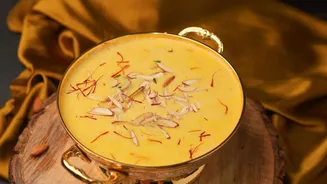
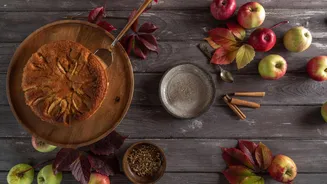
The principles that apply to cookies also work beautifully for cakes and custards. In cakes, especially oil-based ones, warm spices distribute evenly and help create a moist, tender crumb that stays fresh for days. Spice cakes often use a combination of cinnamon, nutmeg, ginger, and a tiny pinch of clove or allspice to create a balanced, multi-layered flavour profile. For custards, which are more delicate, a light touch is essential. A classic baked custard can be elevated with a whisper of cinnamon and freshly grated nutmeg, infused into the milk and egg mixture before baking in a water bath. This gentle heating process allows the spice aromas to perfume the custard without becoming grainy or overwhelming.