



The Sweet Appeal of 'Natural'
In the quest for healthier eating, many of us swap out highly processed ingredients for more natural alternatives. White sugar is a common villain, and sweeteners like honey, agave, and pure maple syrup have gained a health halo. Maple syrup, derived
from the sap of maple trees, is particularly appealing. It’s less processed than table sugar and feels like a more direct-from-nature choice. But the question remains: does being “natural” automatically mean it's beneficial for complex health markers like cholesterol? The reality is that all added sugars, whether from a cane field or a maple tree, are treated similarly by the body.
A Look Inside the Bottle
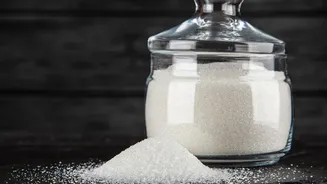
To understand maple syrup’s health impact, we first need to look at its composition. A tablespoon of pure maple syrup contains about 52 calories and 12 grams of sugar, which is very similar to the 49 calories and 12.6 grams of sugar in a tablespoon of white table sugar. The primary sugar in maple syrup is sucrose, the same as table sugar. Where they differ is in the details. While white sugar offers little to no nutritional value beyond calories, maple syrup contains trace minerals and beneficial plant compounds. It is an excellent source of manganese, providing a significant portion of your daily needs in a single serving, and also contains zinc, potassium, and calcium. Furthermore, it is home to numerous antioxidants.
The Cholesterol Connection: Hope or Hype?
The headline claim that maple syrup can help with cholesterol is intriguing, but the evidence is still in its early stages. Much of the excitement comes from animal studies. Research on mice found that maple syrup could help lower cholesterol levels. Some studies also suggest that certain minerals in maple syrup, like zinc, can help protect the inner lining of blood vessels from damage caused by oxidized LDL (often called "bad") cholesterol. Additionally, a deficiency in manganese, a mineral abundant in maple syrup, has been linked to lower levels of HDL ("good") cholesterol. However, these findings are primarily from animal or lab-based research and it's a significant leap to assume the same effects in humans. To get a therapeutic dose of these compounds, you would have to consume an unhealthy amount of syrup, counteracting any potential benefits.
Polyphenols: The Power Players
The most promising aspect of maple syrup's health profile lies in its rich content of polyphenols—a type of antioxidant that helps fight cell damage. Pure maple syrup contains dozens of different antioxidant compounds, some of which are unique to it. One of the most studied is a compound named Quebecol, which is formed when maple sap is boiled down into syrup. Lab studies have shown that Quebecol has anti-inflammatory properties, with some research suggesting it can block inflammatory responses in cells. While anti-inflammatory and antioxidant compounds are generally beneficial for heart health, human trials confirming a direct link between moderate maple syrup consumption and improved cholesterol are still needed.
Beyond Cholesterol: Blood Sugar Impact
An important piece of the puzzle is the glycemic index (GI), which measures how quickly a food raises blood sugar. Maple syrup has a GI of around 54, which is lower than table sugar's GI of 65. This means it causes a slower, less dramatic spike in blood sugar, which is generally a positive thing. A 2023 clinical study even found that substituting refined sweeteners with maple syrup resulted in modest cardiometabolic benefits, including reductions in abdominal fat and improved glycemic response in some individuals. However, despite these advantages, it's crucial to remember that maple syrup is still a high-sugar food. Consuming too much will still lead to blood sugar swings and the associated health risks.
The Final Verdict
So, should you start drizzling maple syrup on everything to lower your cholesterol? Not exactly. While pure maple syrup is a marginally better choice than refined white sugar, it's not a health food. Its advantages come from the trace minerals and powerful antioxidants it contains, which are absent in table sugar. If you are going to use a sweetener, maple syrup is a more nutritious option. Think of it as an upgrade, not a free pass. The key, as with any sugar, is moderation. The American Heart Association recommends limiting added sugars, and maple syrup falls into that category.