




The Allure of Restaurant Chutney
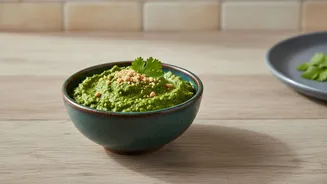
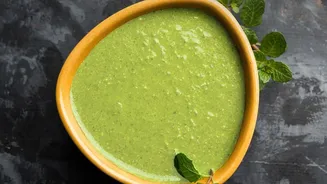
What makes hotel or restaurant-style green chutney so distinctly different from the everyday version made at home? It comes down to three key elements: a consistently vibrant green colour, a creamy, thick texture that coats snacks perfectly, and a complex
flavour profile that balances spicy, tangy, and savoury notes. This condiment, also known as hari chutney, is a staple in Indian cuisine, served with everything from pakoras to paneer tikka. While homemade versions are delicious, they often lack the professional finish. The good news is that achieving that coveted hotel quality is not about complex culinary skills but rather a few simple tricks and well-chosen ingredients that are likely already in your kitchen.
Key Ingredients for a Perfect Blend
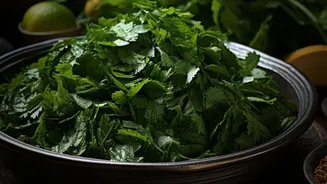
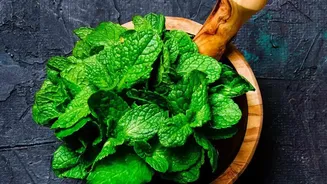
The foundation of any great green chutney is fresh herbs, primarily coriander (dhaniya) and often a smaller amount of mint (pudina). While coriander stems are flavourful and can be included, it's best to use only the leaves of mint, as its stems can impart a bitter taste. Beyond the herbs, a few key additions create the magic. To achieve a thick, creamy consistency and prevent water separation, many chefs add a binding agent like roasted peanuts, roasted chana dal (split chickpeas), or even a few pieces of plain sev. For creaminess and a subtle tang, a spoonful of thick yogurt (dahi) is often whisked in after blending. Finally, a souring agent like fresh lemon juice and spices like cumin, chaat masala, and a pinch of sugar create a perfectly balanced taste.
The Secret to a Vibrant Green Colour
One of the most common frustrations with homemade chutney is that it quickly loses its bright green hue, turning a murky, brownish colour. This is due to oxidation, a process accelerated by the heat generated from the blender's blades. The professional secret to preventing this is simple: ice. Instead of using room temperature water to help the ingredients blend, substitute it with a few ice cubes or ice-cold water. The cold temperature keeps the herbs from 'cooking' from the friction of the blades, preserving their chlorophyll and resulting in a brilliantly green chutney that stays fresh longer. Additionally, adding lemon juice during the blending process not only adds tang but also helps in preserving the colour.
A Step-by-Step Guide to Success
To start, thoroughly wash your coriander and mint leaves. In a blender jar, combine the fresh herbs with green chilies, a piece of ginger, and a clove of garlic for that classic pungent kick. Add your chosen thickener—a small handful of roasted peanuts is a great option for its nutty flavour. Now, add your secret weapon: a couple of ice cubes. Season with salt, a pinch of sugar, and roasted cumin powder. Blend the mixture in short pulses first, then into a smooth, thick paste. Avoid over-blending. Once you have a smooth paste, transfer it to a bowl. If you're using yogurt, gently whisk it in now, along with a generous squeeze of lemon juice and a sprinkle of chaat masala. Taste and adjust the seasoning as needed. You might want more salt, spice, or tang to suit your preference.
Storage and Serving Suggestions
This hotel-style green chutney is best enjoyed fresh but can be stored in an airtight container in the refrigerator for up to three days. For longer storage, a brilliant hack is to pour the chutney into an ice cube tray and freeze it. Once frozen, you can transfer the cubes to a zip-lock bag. This allows you to thaw just the amount you need, preserving its freshness for months. This versatile condiment is the perfect accompaniment to almost any Indian snack. Serve it with samosas, dhokla, kebabs, or use it as a spread in sandwiches and wraps to instantly elevate your meal.