





The Pride of Vijayapura
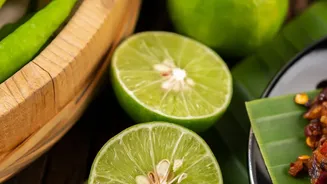
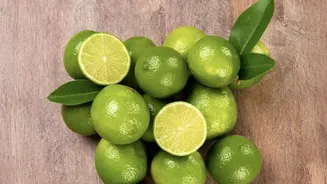
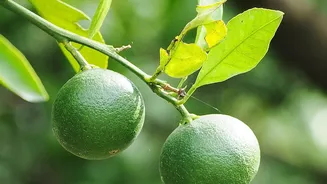
In the Indi taluk of Karnataka’s Vijayapura district, the lime is not just a fruit; it's a legacy. For over a century, farmers here have cultivated a special variety known as the Kagzi lime. The name, derived from the Hindi word for paper, 'kaghaz', perfectly
describes its most famous feature: a rind so thin it is almost translucent. But its uniqueness doesn't end there. The Indi lime is celebrated for its high juice content, pronounced zesty aroma, and a sharp, refreshing acidity that makes it a prized ingredient in kitchens across the country. This small green orb is the agricultural backbone of the region, with Vijayapura district contributing to nearly 58% of Karnataka's total lime production. For the 11,000 growers in the area, this lime is their main crop and a source of immense pride.
What's in a GI Tag?
In June 2023, after five years of relentless effort by the Karnataka State Lime Development Board and the University of Horticultural Sciences, Bagalkot, the Indi lime was awarded the prestigious Geographical Indication (GI) tag. A GI tag is a form of intellectual property that identifies a product as originating from a specific geographical location, possessing qualities or a reputation that are due to that origin. Think of it as a stamp of authenticity and a guarantee of quality. It’s the same protection given to iconic Indian products like Darjeeling Tea, Banarasi Sarees, and Alphonso Mangoes. For the Indi lime, this tag means it is legally recognised as unique to the Vijayapura region, protecting it from imitation and ensuring that the economic benefits flow back to the community that has nurtured it for generations.
A Squeeze of Success
The impact of the GI tag was swift and significant. The recognition not only boosted the morale of the farmers but also opened up new, lucrative markets. With its authenticity now certified, the Indi lime became a sought-after commodity, both nationally and internationally. In August 2025, the first consignment was exported to Dubai, which was met with such an encouraging response that subsequent orders were four times the initial quantity. This was followed by shipments to the United Kingdom and Oman, marking a major milestone in placing this regional treasure on the global map. This access to premium international markets helps shield farmers from domestic price fluctuations and ensures better income realisation.
From Fruit to Finished Product
The GI tag has also spurred a wave of innovation. Farmers, supported by agricultural universities, are no longer just selling the raw fruit. They are now creating value-added products that have found new markets. These include ready-to-consume lemonade powder, candies made from dried lime pieces, and even medicinal oil extracted from the seeds, which is sold to Ayurvedic pharmacies. The powdered peel and rind, once considered waste, are now being sold to multinational detergent manufacturers. This entrepreneurial shift is transforming the local economy, turning farmers into producers and creating a more resilient and profitable agricultural ecosystem. By processing their own produce, the community is capturing more of the value chain, ensuring the story of the Indi lime is one of sustainable prosperity.
A Model for the Nation
The success story of the Indi lime serves as a powerful blueprint for other agricultural communities across India. It demonstrates how leveraging a GI tag can transform a local specialty into a global brand, empower farmers, and preserve agricultural heritage. The journey from the sun-drenched orchards of Vijayapura to the shelves of international markets is a testament to the unique quality of the fruit and the dedicated efforts of the community behind it. It's a reminder that within India's vast agricultural landscape lie countless treasures, each with a story waiting to be told and a potential waiting to be unlocked.