


Beyond the Metro Monopoly
For years, the blueprint for premium coffee in India was simple: target affluent consumers in Delhi, Mumbai, and Bengaluru. This assumption held that a taste for single-origin Arabica, artisanal roasts, and café culture was an urban elite phenomenon.
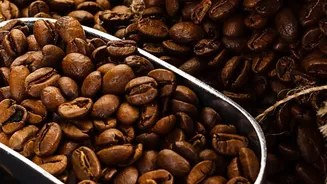
However, this narrative is rapidly becoming outdated. The real story of growth is now unfolding in Tier-2 cities, where a potent mix of rising disposable incomes, global exposure, and local entrepreneurial spirit is fuelling a specialty coffee boom. Roastery Coffee House, for instance, found its locations in smaller cities like Lucknow and Jaipur outperforming their metro counterparts, highlighting a significant, underserved demand. This shift proves that the appetite for quality coffee experiences is far broader and more democratised than previously believed.
The New Coffee Consumer
So, who is this new coffee connoisseur? Primarily Millennials and Gen Z, this demographic makes up nearly 65% of India's specialty coffee consumers. Unlike previous generations, they view coffee not just as a functional beverage but as a lifestyle accessory and a medium for self-expression. Having travelled or been exposed to global trends via the internet, they are curious about bean origins, roasting profiles, and brewing methods. The rise of remote work has also meant that many young professionals are staying in or returning to their hometowns, bringing their sophisticated palates and spending power with them. This has created a ready-made audience for local entrepreneurs to tap into, building a coffee culture that is both globally aware and distinctly local.
The D2C Revolution and the Home Barista
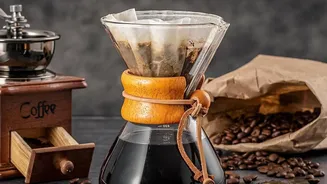
A major catalyst for this change has been the explosion of Direct-to-Consumer (D2C) coffee brands. Companies like Blue Tokai and Third Wave Coffee Roasters have made specialty beans and grounds accessible to anyone with an internet connection. Supported by the rapid expansion of quick-commerce platforms, these brands are reaching customers in smaller towns that physical cafes have yet to penetrate. This has spurred a significant trend in home brewing. Consumers are investing in equipment like AeroPresses and pour-over kits, eager to replicate the café experience at home. This shift towards artisanal home consumption is educating a wider audience about quality, creating more discerning customers who then seek out better experiences when they go out.
Cafes as Community Hubs
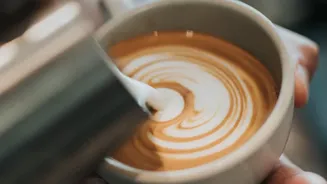
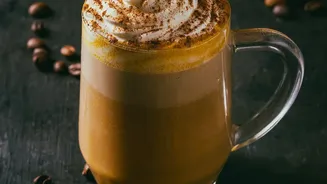
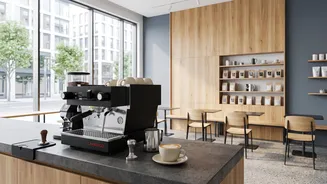
While D2C brands cater to the home market, a parallel boom is happening with brick-and-mortar cafes. In Tier-2 cities, where competition is less fierce and rents are lower than in metros, entrepreneurs have more room to experiment. Brands are finding that the demand is high and the supply is still catching up. These new cafes often become important 'third places'—social hubs for work, meetings, and community gatherings that were previously lacking. They are not just serving coffee; they are creating destinations that merge international standards with local aesthetics, building a loyal customer base that values experience as much as the product itself.