





A Trend Beyond the Cafes
Once a niche item found only in high-end cafes in cities like Delhi and Mumbai, matcha is now entering the mainstream. Recent Google Trends data highlights a dramatic surge in curiosity across India. Searches for “matcha health” have reportedly soared,
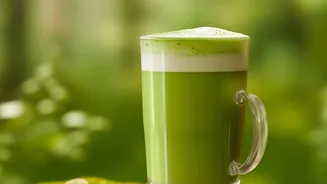
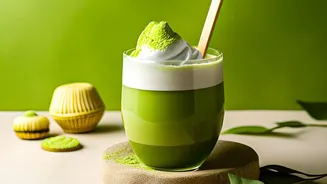
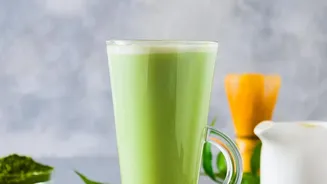
while queries on how to prepare the drink at home have jumped by over 1,000%. This signals a significant shift: Indians are not just ordering matcha lattes; they are actively looking to integrate this Japanese green tea into their daily wellness rituals. This growing interest is moving beyond drinks into beauty, with matcha-infused skincare and makeup becoming popular. The trend is particularly strong in urban centres like Delhi, Goa, and Bengaluru, where a health-conscious generation is exploring alternatives to traditional caffeinated beverages.
What Exactly Is Matcha?
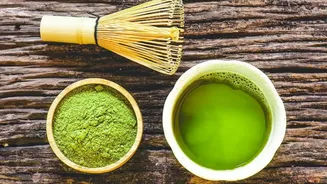
So, what is this green powder that's causing such a stir? Matcha is a finely ground powder of specially grown and processed green tea leaves, traditionally associated with Japanese tea ceremonies. Unlike regular green tea, where you steep the leaves and discard them, with matcha you consume the entire leaf. This is key to its potent health benefits. The tea plants are shade-grown for about three weeks before harvest, which increases their chlorophyll and L-theanine content, giving matcha its brilliant green colour and unique, savoury-sweet flavour. This process is what distinguishes it from regular green tea and is responsible for its concentrated dose of nutrients.
The 'Calm Alertness' Effect
The primary reason many are turning to matcha is for its unique energy boost. While coffee can provide a quick, powerful jolt of energy, it often comes with jitters and a subsequent crash. Matcha offers a different experience. It contains a moderate amount of caffeine, typically less than a cup of coffee. However, it is also rich in an amino acid called L-theanine. This powerful compound promotes alpha brain waves, which are associated with a state of 'wakeful relaxation'. The synergy between caffeine and L-theanine results in a sustained, calm alertness that can last for hours without the anxiety or crash linked to coffee. This makes it an ideal beverage for focus and productivity.
A Powerhouse of Antioxidants
Because you consume the whole leaf, matcha is a nutritional powerhouse. It is exceptionally rich in antioxidants, particularly a type of catechin called epigallocatechin gallate (EGCG). Some studies suggest matcha can contain significantly more antioxidants than regular brewed green tea. These antioxidants help protect the body against oxidative stress by fighting free radicals, which can contribute to chronic diseases and ageing. EGCG has been studied for its potential role in boosting metabolism, reducing inflammation, and supporting cardiovascular health.
Matcha vs. Coffee: The Verdict
The choice between matcha and coffee ultimately depends on your personal health goals and caffeine sensitivity. If you need a quick, strong hit of energy, coffee remains a reliable choice. However, if you are looking for sustained focus without the jitters, matcha is a compelling alternative. Matcha is also less acidic than coffee, which may make it a better option for those with sensitive stomachs. While coffee lovers will always have a place for their favourite brew, the rise of matcha in India shows a growing desire for beverages that do more than just wake us up; they want drinks that also nourish and balance the body. It isn't necessarily about replacement, but about having more mindful options.
How to Get Started with Matcha
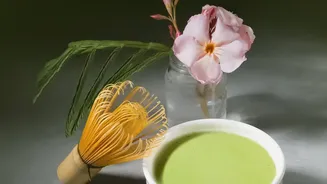
Ready to try it? For beginners, the sheer number of options can be daunting. There are two main grades: ceremonial, which is higher quality and best enjoyed on its own with water, and culinary, which is better for lattes, smoothies, and baking. To prepare a traditional cup, you simply sift one to two teaspoons of matcha powder into a bowl, add a splash of hot (not boiling) water, and whisk vigorously in a W or M-shaped motion until a smooth froth forms. You can then top it up with more hot water or steamed milk for a latte.