









The Anatomy of a Perfect Wave
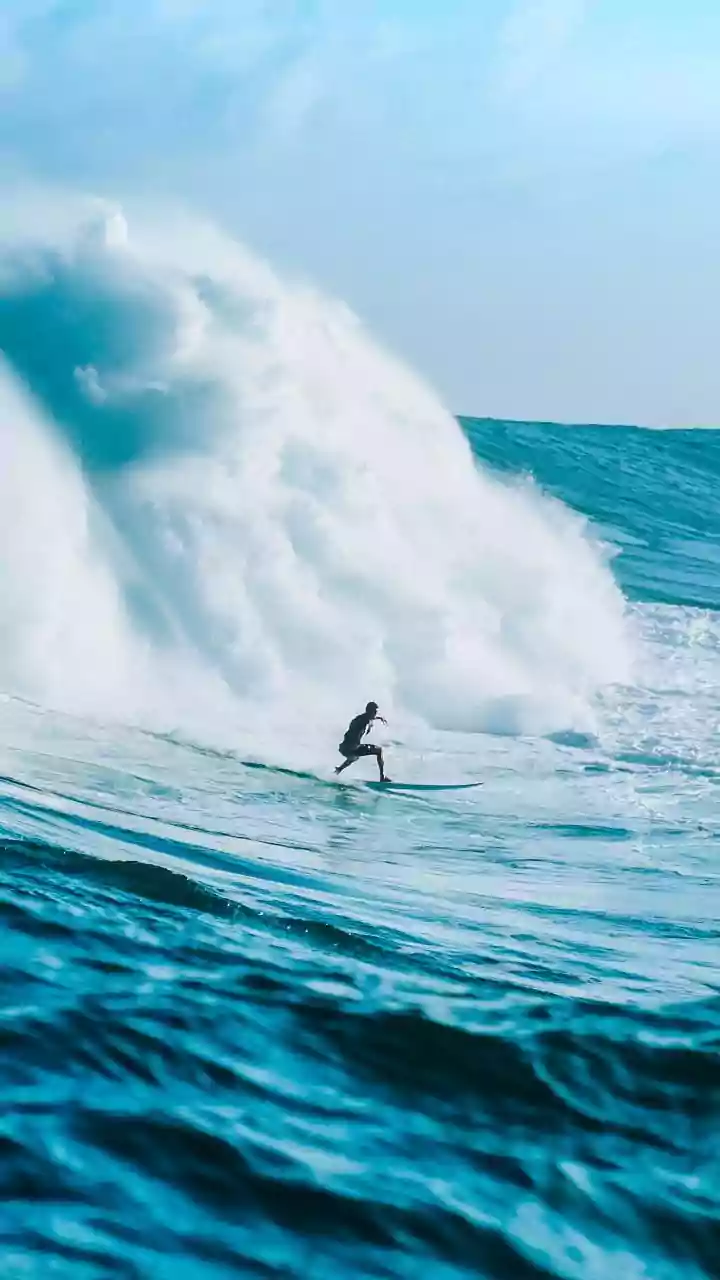
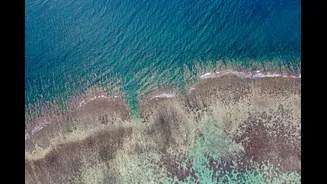
A great surfing wave is a complex marvel of physics. It begins with a swell—energy traveling across the open ocean, often from a distant storm. As this swell approaches the coast and enters shallower water, it begins to 'feel' the bottom. The shape of this seafloor,
or bathymetry, is what transforms that raw energy into a breaking wave. Whether it's a rocky reef, a cobblestone point, or a sandy beach, the gradual slope of the seabed is what causes the wave to slow down, stand up, and eventually peel across the surface in the way surfers dream about. This delicate interaction between swell and seafloor is everything.
Sand: The Unsung Hero
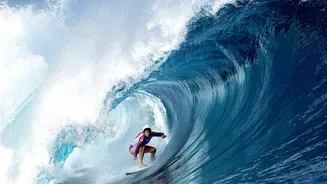
While reef breaks like Hawaii's Pipeline are famous, many of the world's most beloved waves are beach breaks, which depend entirely on the formation of underwater sandbars. These sandbars are dynamic, constantly shaped by waves, currents, and tides. They act like ramps, forcing the incoming swell upward until it becomes steep and hollow. The shape and consistency of these sandbars determine the quality of the wave. Too much sand, or sand in the wrong place, and a wave can become a 'closeout' that breaks all at once. The right formation, however, creates a perfectly peeling ride. This constant, subtle movement of sand is the invisible architect of countless surf sessions.
Climate Change, the Great Disruptor
Climate change is disrupting this delicate process in several ways. Firstly, sea-level rise deepens the water over the reefs and sandbars that waves rely on. A wave that needs a specific depth to break might simply roll over a now-drowned reef, losing its power and shape. Secondly, climate change is altering storm patterns, leading to more intense and frequent storms that can move massive amounts of sand, eroding beaches and destroying well-established sandbanks. This sediment might be pulled too far offshore to be returned by normal wave action, starving the surf zone. Hardened shorelines, like sea walls built to protect coastal property, prevent beaches from naturally adapting and can actually accelerate erosion, further endangering waves.
Legendary Breaks Under Threat
This isn't a distant, theoretical problem. A recent study published in the journal Climatic Change found that a vast majority of the world's most significant surf breaks are at risk. The analysis of 57 iconic waves in World Surfing Reserves showed that 79% face high risk from rising sea levels and 75% from changes to the seafloor. At-risk locations include the classic point breaks of Noosa in Australia, the powerful beach break at Croyde in the UK, and the reef systems of Santa Cruz, California. In places like Oriente Salvaje, El Salvador, the entire local economy is built around wave-based tourism and is now vulnerable. These spots are not just playgrounds; they are cultural and economic engines for their communities.
The Fight to Save the Waves
The threat is existential, but hope is not lost. The key to resilience lies in allowing coastlines to remain natural. Where beaches can migrate inland and dunes can shift, ecosystems have a better chance of adapting to rising seas. Proactive measures are also being taken. Some governments are beginning to recognize the value of their surf breaks. Peru, New Zealand, and Australia's Gold Coast have all implemented forms of legal protection for their waves, integrating surf preservation into coastal management plans. Community-led initiatives like Save The Waves Coalition are using scientific tools to assess vulnerabilities and advocate for nature-based solutions like dune restoration instead of building more sea walls.