


The Homestyle Hero: Aloo Gobi
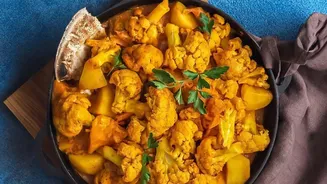
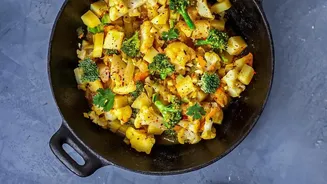
If there is one dish that represents the heart of North Indian home cooking, it’s Aloo Gobi. This simple, dry stir-fry of potatoes and cauliflower is a staple in countless households. Its beauty lies in its simplicity. Rather than being hidden in a heavy
sauce, the vegetables are the stars, coated in a fragrant blend of spices like turmeric, cumin, and coriander. It is a testament to the philosophy that everyday food can be deeply flavourful and nourishing. Aloo Gobi showcases a fundamental technique in Indian cooking: the 'sabzi', a dry vegetable preparation that relies on the skilful layering of spices to create a complex taste without any liquid. It's the comforting, reliable classic that feels like coming home.
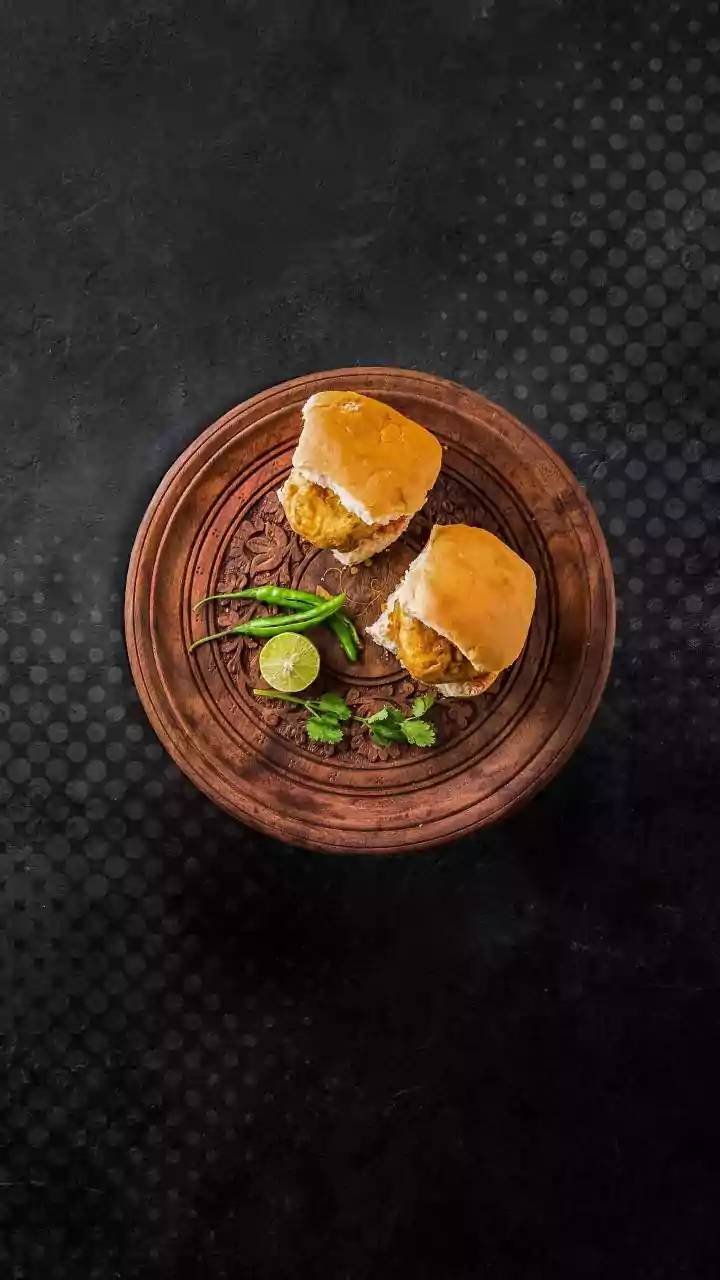
The Urban Icon: Vada Pav
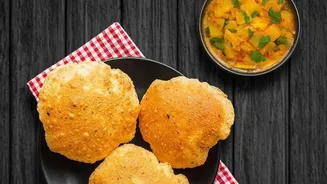
Dubbed the 'Bombay Burger', Vada Pav is the undisputed king of Mumbai's street food scene. Invented in the 1960s to provide a cheap and filling meal for the city's mill workers, it’s a marvel of culinary ingenuity. The dish consists of a spicy mashed potato fritter (the 'vada') tucked inside a soft bread roll (the 'pav'), often accompanied by fiery garlic and sweet tamarind chutneys. Vada Pav is more than a snack; it’s a cultural icon that fuels India’s busiest metropolis. It represents the fast-paced, entrepreneurial spirit of the streets, where affordability and convenience are paramount. Its evolution shows how a simple potato can be transformed into an on-the-go meal that has become a beloved part of Mumbai's identity.
The South Indian Soul: Masala Dosa
Travel south, and you'll find the potato transformed again, this time as the heart of the magnificent Masala Dosa. While the crispy, fermented rice-and-lentil crepe is the vessel, the spiced potato filling, or 'masala', provides its soulful flavour. Originating from Udupi cuisine in Karnataka, this potato preparation is distinctly South Indian. The potatoes are boiled, lightly mashed, and then tempered with mustard seeds, curry leaves, turmeric, and onions. This filling demonstrates a completely different flavour profile, showcasing the region’s signature ingredients. It proves that the potato's role is not always to be the solo star, but to complement other textures and tastes, creating a perfectly balanced and iconic breakfast dish enjoyed across the world.
The Regal Indulgence: Dum Aloo
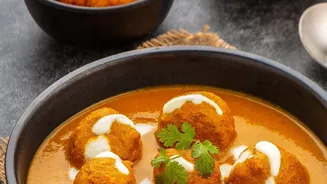
Showcasing a richer, more complex side of Indian cooking, Dum Aloo is a dish often reserved for special occasions. While variations exist across India, the Kashmiri version is particularly famous. Baby potatoes are first deep-fried and then slow-cooked ('dum' style) in a luscious, spiced gravy. Traditional Kashmiri Pandit cuisine prepares this dish without onions or garlic, relying on yogurt, fennel, and dried ginger powder for its unique, aromatic flavour. This dish highlights a more regal, patient style of cooking, influenced by Mughal and Persian techniques. It demonstrates how potatoes can be elevated from a simple staple to a decadent centerpiece, capable of carrying rich spices and gravies.
The Breakfast Champion: Aloo Paratha
No list of Indian potato classics would be complete without the Aloo Paratha. This stuffed flatbread is a breakfast institution, especially in the Punjab region. Unleavened whole-wheat dough is filled with a zesty mixture of mashed potatoes, onions, green chillies, and spices, then rolled out and cooked on a hot griddle (tawa) with ghee or butter until golden brown and flaky. It’s a complete meal in itself, traditionally served with a dollop of butter, yogurt, or pickle. The Aloo Paratha represents the hearty, rustic food culture of Punjab and showcases the potato's versatility as a filling, transforming a simple flatbread into a satisfying and beloved meal that has spread in popularity across the entire subcontinent.