



The Challenge of a Crowded Sky
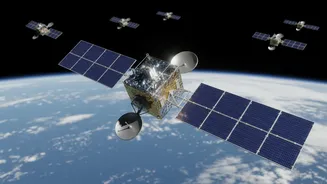
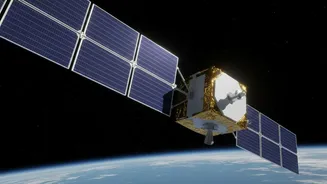
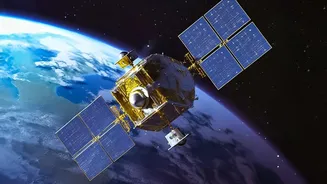
Imagine trying to direct traffic not just on a busy highway, but in a three-dimensional space where vehicles move at thousands of kilometres per hour. That's the reality of modern space operations. Low Earth Orbit (LEO) is becoming increasingly congested.
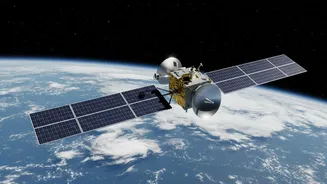
With mega-constellations like Starlink adding thousands of satellites, the number of active objects in orbit is projected to reach 100,000 by 2030. This surge makes manual operation by ground crews unsustainable. Human operators can't possibly track every potential collision or make thousands of tiny adjustments in real-time. The sheer volume of data and the speed at which decisions must be made exceed human capacity, creating a pressing need for a new approach.
What Are 'Routine' In-Orbit Decisions?
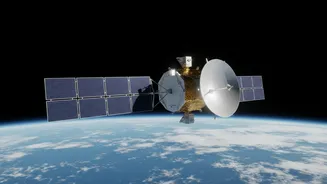
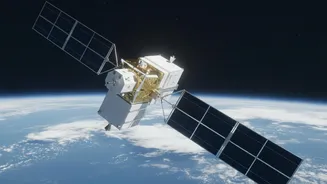
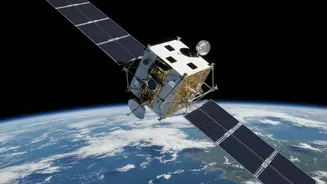
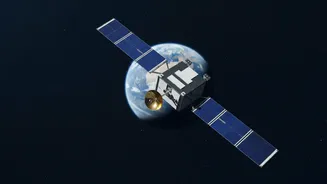
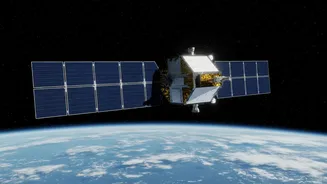
When we talk about routine decisions, we're not referring to the dramatic, mission-critical choices often seen in movies. Instead, these are the constant, mundane-but-vital tasks required to keep a satellite healthy and functional. A primary example is station-keeping, which involves making tiny burns with thrusters to counteract atmospheric drag and gravitational pulls, ensuring the satellite stays in its correct orbital path. Another is collision avoidance. Satellites constantly receive warnings about potential close encounters with other satellites or space debris. An autonomous system can assess the risk and execute a small avoidance manoeuvre without waiting for a command from Earth, a process that can be delayed by minutes or even hours. Other routine tasks include managing power by orienting solar panels toward the sun and maintaining thermal control to prevent overheating or freezing.
AI Takes the Helm
Artificial intelligence and machine learning are the engines driving this shift to autonomy. Instead of relying on pre-written scripts for every possible scenario, AI systems can learn from data and adapt to new situations. For instance, an AI can analyze a satellite's trajectory, power levels, and system health to predict a potential problem before it occurs. This is a move from reactive to predictive maintenance. At events like the SMOPS-2026 conference in Bengaluru, a major focus is on developing robust AI that can be trusted with these high-stakes decisions. Global space agencies like NASA, ESA, and ISRO are all heavily invested in creating smarter, more autonomous spacecraft that can handle complex tasks with minimal human oversight.
India's Stake in Space Automation
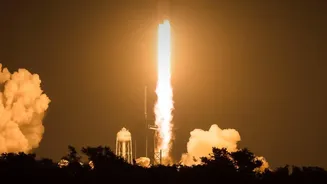
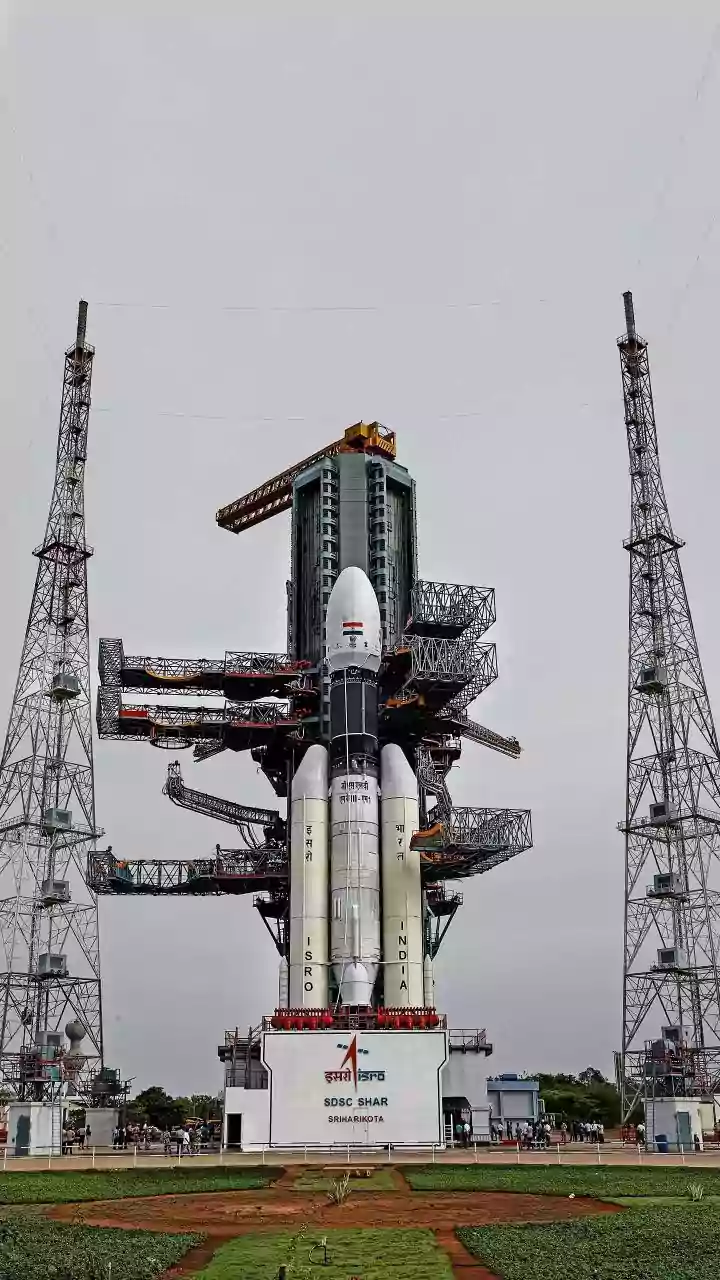
For India, embracing spacecraft automation is not just about keeping up with global trends; it's essential for achieving its ambitious space goals. ISRO, a key organizer of the SMOPS conference, is actively working on autonomous systems. These technologies are crucial for managing large satellite constellations, future interplanetary missions like a Venus orbiter, and the planned Bharatiya Antariksh Station. Autonomous docking, which ISRO successfully demonstrated in 2025 with its SPADEX mission, is a foundational technology for building a space station. Furthermore, as India's private space sector grows, with startups like Skyroot Aerospace launching their own rockets, automation will lower operational costs and make Indian companies more competitive in the global market.
The Road Ahead: Trust and Collaboration
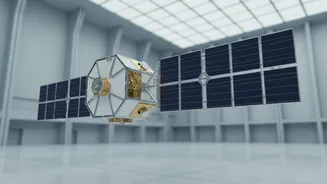
Handing control of a multi-million-dollar asset to an algorithm is not without its challenges. The biggest hurdle is verification and validation—ensuring the AI will perform reliably in the harsh and unpredictable environment of space. There's a natural reluctance among mission managers to adopt new technologies that add perceived risk. To build trust, the industry is focused on rigorous testing, creating digital twins (exact virtual replicas of satellites for simulation), and establishing transparent protocols for when autonomous systems make errors. International collaboration, a key theme at SMOPS-2026, is vital for setting standards and sharing best practices to ensure that as space becomes more automated, it also becomes safer and more sustainable for everyone.