








Know Your Enemy: What Is Dust?
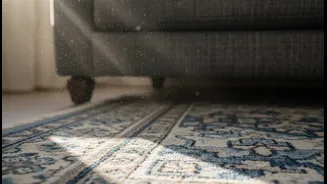
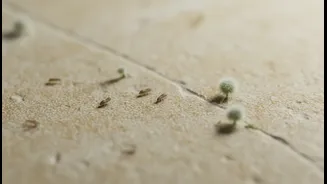
Before you can fight it, you need to understand what you’re up against. Household dust is a complex mixture of particles from both inside and outside your home. A large portion consists of shed human skin cells and pet dander, which serve as a primary
food source for microscopic dust mites. The rest is a combination of fabric fibres from clothes and upholstery, soil and pollen tracked in from outdoors, tiny insect fragments, and even microscopic plastic bits. This concoction is why dust is not just an eyesore but also a major trigger for allergies and asthma, as it can contain allergens, bacteria, and mould spores. Since these particles are generated by daily living and enter from the outside world, complete eradication is a futile goal.
The Correct Tools and Technique
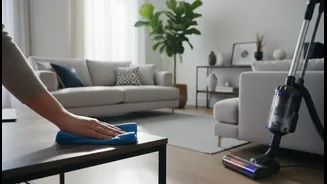
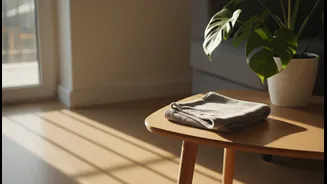
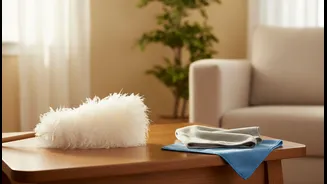
How you dust is just as important as how often. The common mistake is using a dry cloth or a traditional feather duster, which often just lifts dust into the air only for it to resettle elsewhere. The most effective tool is a microfibre cloth. These cloths are designed to attract and trap dust particles. For best results, use a slightly dampened microfibre cloth, which is even better at capturing dust, especially on sticky or greasy surfaces. Another crucial rule is to always work from top to bottom. Start with ceiling fans, the tops of shelves, and light fixtures, and work your way down to furniture and finally, the floor. This ensures that any dislodged dust falls onto an area you haven't cleaned yet, preventing you from having to do the work twice.
Clean Your Air, Not Just Surfaces
Since a significant amount of dust is airborne, tackling the air itself can make a huge difference. Investing in an air purifier with a High-Efficiency Particulate Air (HEPA) filter can dramatically reduce dust levels. A true HEPA filter is certified to capture at least 99.97% of airborne particles sized 0.3 microns, which includes dust, pollen, pet dander, and mould spores. Placing purifiers in high-traffic areas like bedrooms and living rooms can continuously remove dust before it has a chance to settle. Don’t forget about your home's existing filtration system. Regularly cleaning or replacing the filters in your air conditioner and vacuum cleaner is critical. A clogged filter not only works less effectively but can also push dust back into the air.
Strategic Reduction in Dust Sources
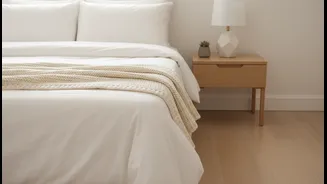
You can also proactively reduce the amount of dust that enters and accumulates in your home. About 60% of dust comes from outside, so simple habits like using doormats and removing shoes at the door can trap a significant amount of dirt and pollen. Inside the home, textiles are major dust traps. Wash bedding, including pillows and blankets, at least once a week to control dust mites. Regularly vacuuming upholstery, curtains, and carpets is also key. Decluttering can also have a surprising impact; fewer objects mean fewer surfaces for dust to settle on. Finally, be mindful of humidity levels. Dust mites thrive in humid environments, so using a dehumidifier to maintain lower humidity can help control their population.
Avoid These Common Dusting Mistakes
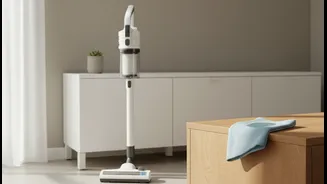
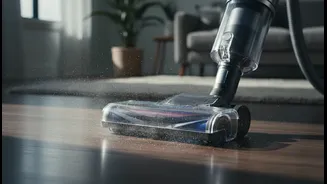
Even with the best intentions, some cleaning habits can make the problem worse. One of the most common errors is vacuuming the floor before dusting other surfaces. This kicks up settled dust, which then lands on the surfaces you are about to clean. Always dust first, then vacuum. Another mistake is ignoring hidden spots. Dust loves to gather on fan blades, air vents, behind furniture, and in small nooks and crannies. Regularly cleaning these forgotten areas prevents them from becoming major dust reservoirs that circulate particles throughout your home. Finally, don't overuse furniture polish. While it can make surfaces shiny, excessive use can create a sticky film that actually attracts more dust.