



Understanding the Classic: Rasmalai
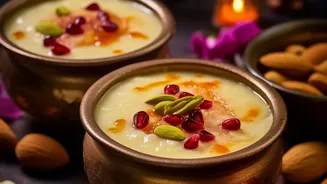
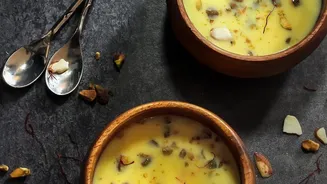
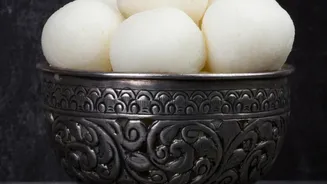
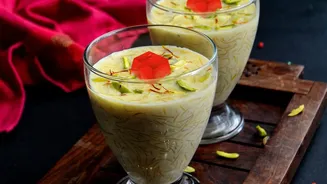
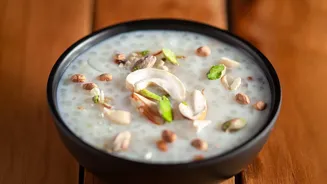
Before we can judge the fusion, let's appreciate the original. Rasmalai is a beloved dessert across India, cherished for its delicate and complex sensory profile. It consists of soft, spongy discs of chenna (an Indian cheese) that are gently poached and then
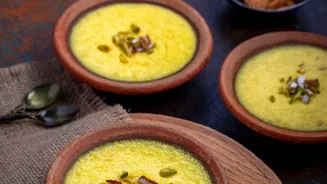
soaked in a sweetened, thickened milk known as rabri. This milky bath is traditionally infused with aromatic cardamom and a pinch of saffron, which imparts a beautiful golden hue and a subtle, luxurious fragrance. The defining textural experience of Rasmalai is the melt-in-your-mouth softness of the chenna discs against the creamy, flowing rabri, often garnished with slivered pistachios and almonds for a hint of crunch. The flavour is milky, sweet, and floral, a comforting and sophisticated profile that has been perfected over generations.
Enter the Challenger: The Tapioca Pearl
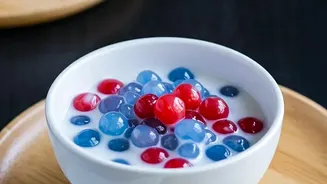
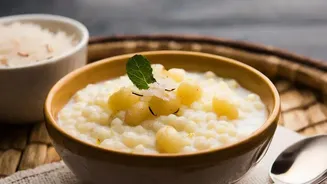
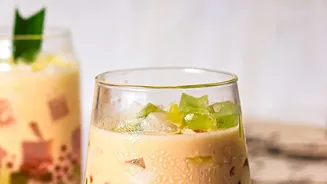
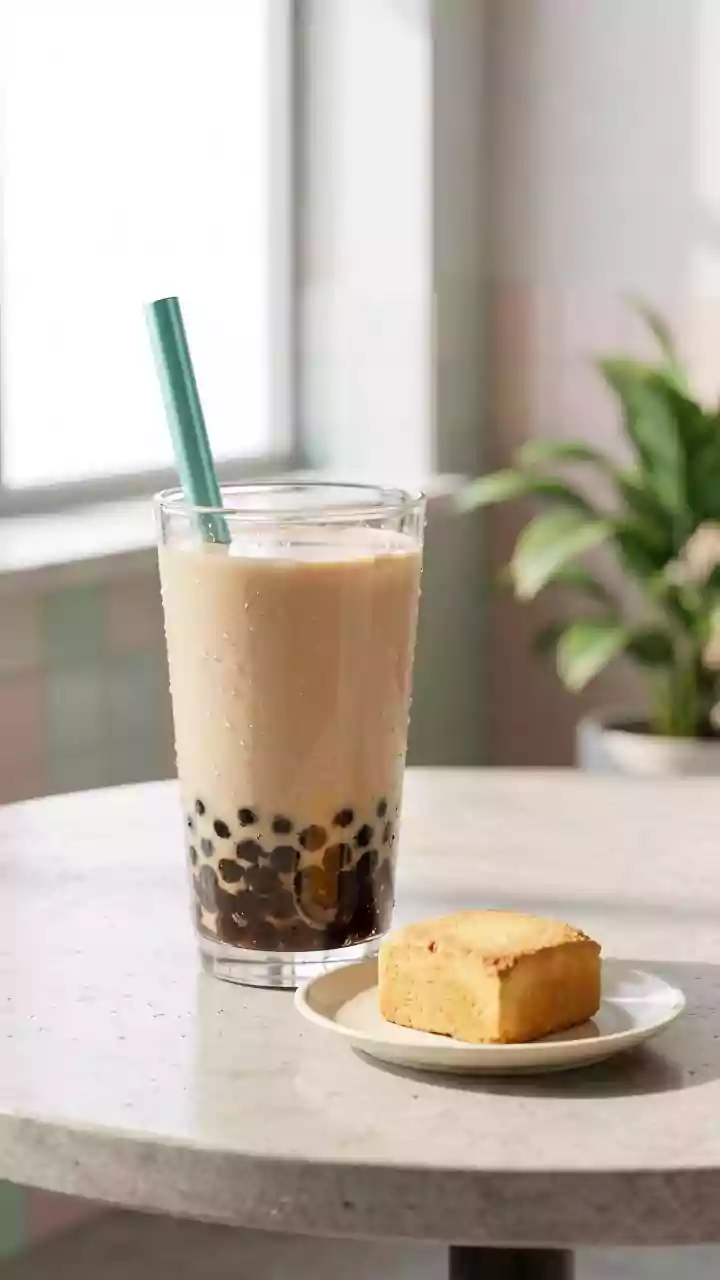
On the other side of this pairing is the tapioca pearl, the star component of boba tea. Made from the starch of the cassava root, these little spheres are all about texture. On their own, tapioca pearls are almost flavourless. Their culinary magic comes from their ability to absorb the flavour of whatever liquid they are soaked in. In most boba shops, this means a brown sugar or honey syrup, which gives them a sweet, caramel-like taste. The most prized quality of a tapioca pearl, however, is its unique texture, often described as “QQ” in Taiwan, meaning springy, chewy, and resilient. It’s a satisfying, bouncy bite that provides a fun contrast to a liquid drink. This chewiness is the pearl’s primary contribution to any dish or beverage.
A Collision of Textures
When tapioca pearls are added to Rasmalai, it creates a fascinating study in textural contrast. The fundamental components of the Rasmalai—the soft cheese discs and creamy milk—remain unchanged. The pearls, being largely neutral in taste, simply absorb the sweet, saffron-and-cardamom-infused milk. So, with every spoonful, you still get the classic flavour of Rasmalai. What you also get is a completely new mouthfeel. Interspersed with the soft sponginess of the chenna are the firm, bouncy, and chewy tapioca pearls. Instead of a homogenous, soft-and-creamy experience, the dessert now has distinct textural layers. It becomes a combination of eating and drinking, where you encounter soft, creamy, and chewy elements all in one bite. Some find this playful and interesting, while others may find it distracts from the delicate nature of the original dessert.
The Flavour Profile: An Echo, Not a New Voice
The headline's claim hinges on the idea that the flavour profile is less affected, and the evidence strongly supports this. Since tapioca pearls are essentially a blank canvas for flavour, they do not introduce a new taste dimension. They become carriers for the existing 'ras' or juice of the Rasmalai. Unlike adding a fruit compote or a chocolate drizzle, which would fundamentally alter the taste, the pearls act as flavour sponges. The dessert doesn’t suddenly taste of something other than Rasmalai; it just presents that familiar flavour in a new format. The experience is akin to having croutons in a soup—the croutons taste like the soup, but their firm texture provides a stark contrast to the liquid. The flavour remains cohesive, even as the texture becomes more complex.
The Verdict: Texture Takes Centre Stage
The evidence overwhelmingly suggests that the primary contribution of tapioca pearls to Rasmalai is textural, not flavour-based. The addition introduces a chewy, bouncy element that stands in stark contrast to the traditional dessert's soft and creamy consistency. While this transforms the eating experience, it doesn't fundamentally change the core flavour, which remains rooted in the saffron and cardamom-infused milk. The pearls absorb and reflect the dessert's existing flavour profile rather than adding a new one. This multisensory experience, where texture can dominate perception, is a well-documented phenomenon in food science. The enjoyment of Boba Rasmalai, therefore, comes down to personal preference: do you enjoy a dessert with significant textural variety, or do you prefer the classic, homogenous softness of the original?