

The Legend of the Gooseberry
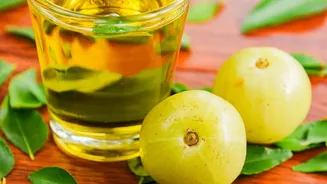
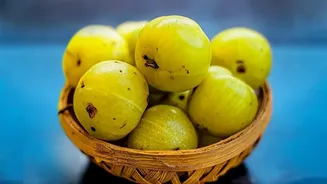
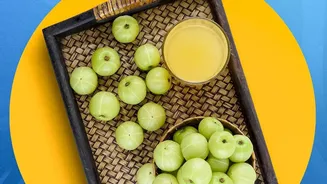
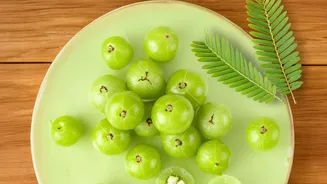
Amla, or the Indian gooseberry, holds a hallowed place in Indian culture. For centuries, it has been a cornerstone of Ayurvedic medicine, revered for its supposed rejuvenating properties. Traditional texts and grandmotherly advice have positioned it as a remedy
for everything from the common cold to chronic ailments, earning it the name 'nectar of life'. This narrative is powerful and deeply ingrained. We consume it in Chyawanprash to boost immunity, as juice for detoxification, and as powders with the hope of warding off illness. The belief in amla as a potent medicine is so strong that its culinary identity has often been overshadowed. But as we look closer, we find that focusing solely on cure claims might be selling this incredible fruit short.
Separating Nutrition From a Miracle
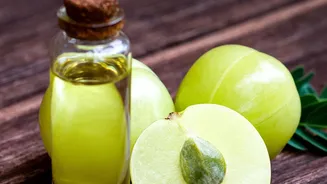
Modern science confirms that our ancestors were onto something, just perhaps not in the way folklore suggests. Amla's primary superpower is its exceptionally high Vitamin C content, packing more of it than twenty oranges combined. This makes it a formidable antioxidant, helping the body fight off cellular damage from free radicals. It is also a good source of fiber, Vitamin A, and polyphenols—compounds that contribute to better digestion, improved eye health, and reduced inflammation. These are tangible, evidence-supported benefits that make amla a fantastic addition to a healthy diet. However, this is where a crucial distinction must be made. Supporting immune function is not the same as curing a disease. While some preliminary studies have explored its effects on conditions like diabetes and high cholesterol, the evidence is not strong enough to label amla a 'cure'. Relying on it to treat serious health conditions instead of seeking professional medical advice can be dangerous.
From Medicine Cabinet to Kitchen Counter
The problem with framing amla as a cure is that it limits our relationship with it. We consume it dutifully, often pinching our noses at its intensely sour and astringent taste, because we believe it's 'good for us'. But what if we started treating it like an actual food ingredient? The shift from medicine to meal ingredient unlocks a world of flavour. That same sharp, tangy taste that makes it a medicinal chore can be a culinary asset. In cooking, its tartness can cut through richness, balance sweetness, and add a bright, complex note to a wide range of dishes. Thinking of amla as a flavour enhancer rather than a prescription allows us to move it from the back of the medicine cabinet to the front of the spice rack, where it can truly shine.
A Culinary Star in Disguise
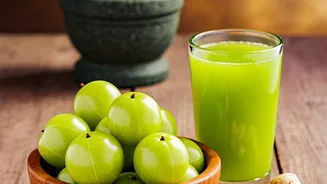
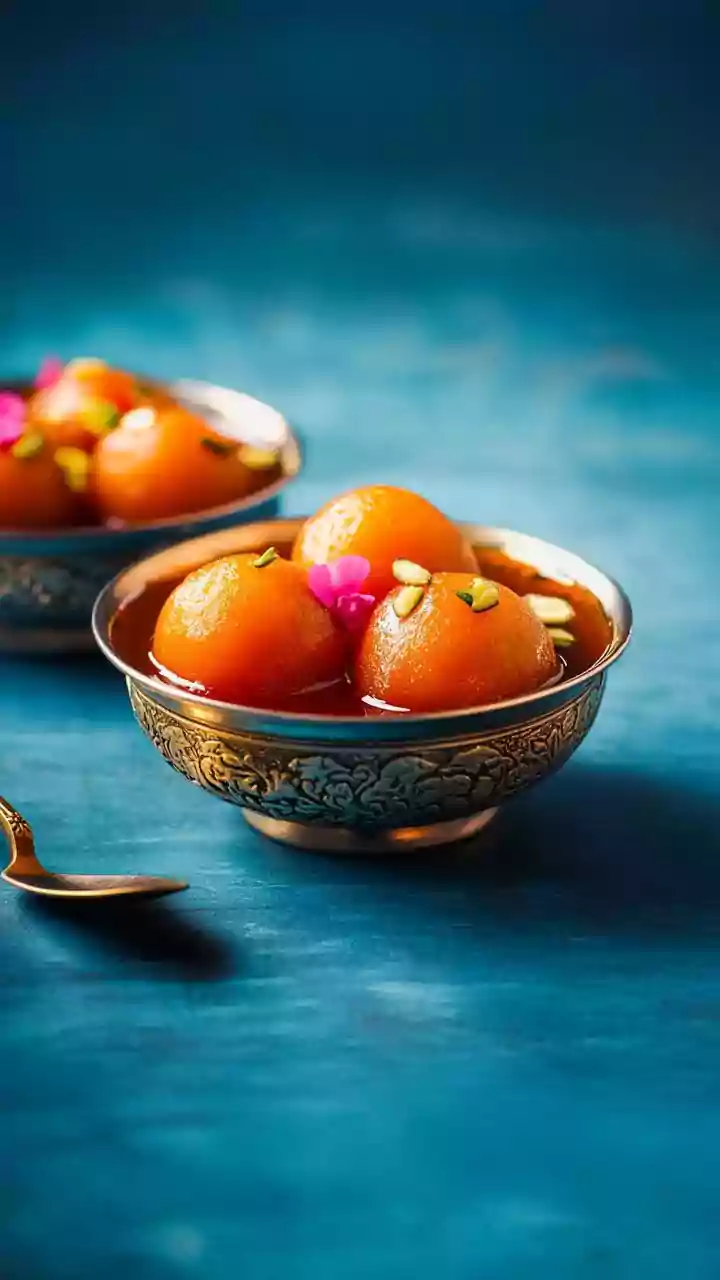
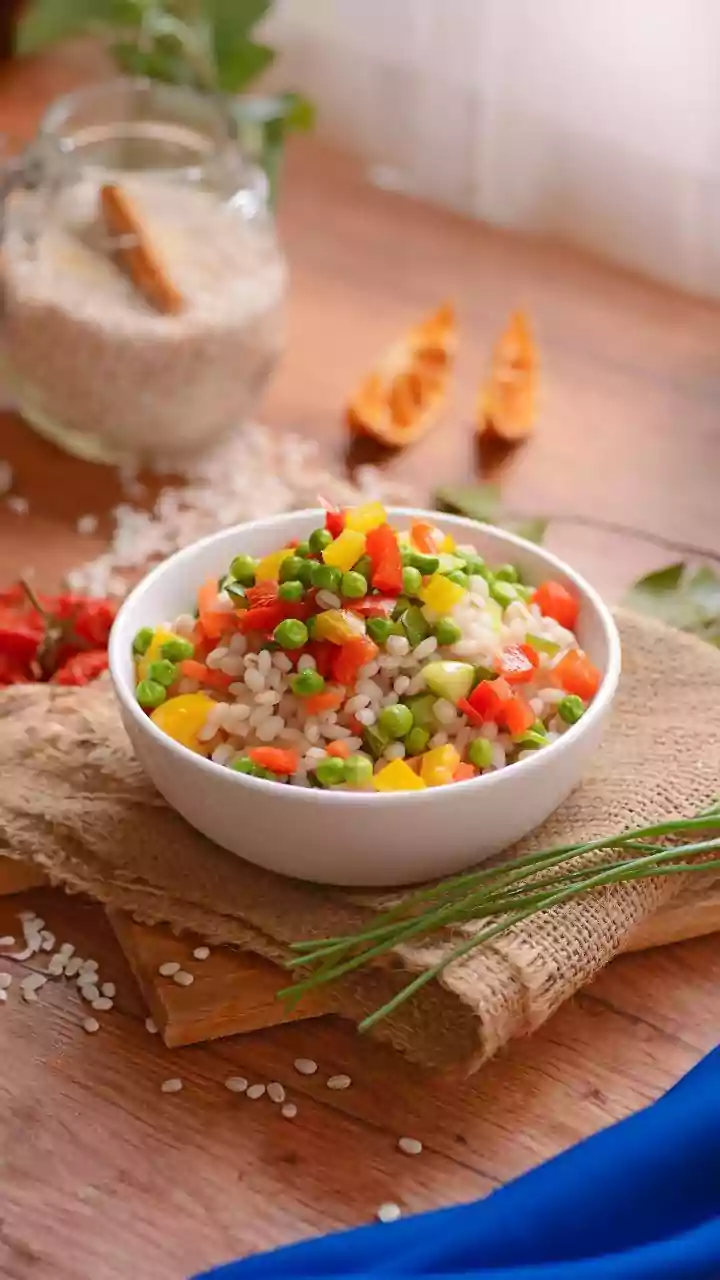
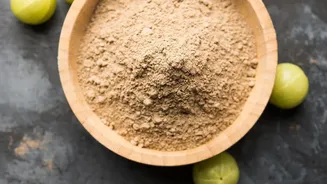
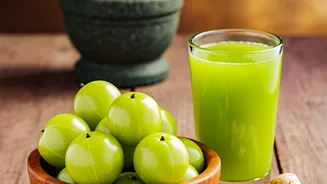
Once you embrace amla as food, the possibilities are endless. Its unique flavour profile makes it incredibly versatile. For a start, fresh amla juice can be blended with ginger and honey for a refreshing morning shot. Its tartness is perfect for chutneys and relishes that pair beautifully with snacks and meals. The classic amla murabba, a sweet preserve where the fruit is candied in sugar syrup, transforms its bitterness into a delightful treat. But its use extends far beyond condiments. In South India, amla is used to make a tangy rice dish called Nellikai Sadam. Grated amla can be added to dals and curries to provide a sour note, much like tamarind or kokum. Even its powdered form can be sprinkled into smoothies or salad dressings, adding a discreet nutritional punch. By exploring these food ideas, we get to enjoy all its nutritional benefits as part of a delicious, balanced diet.