





A Historic Rendition
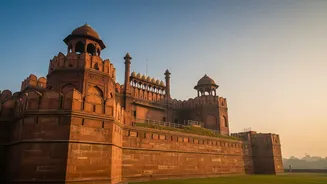
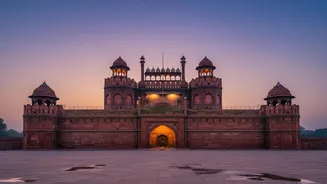
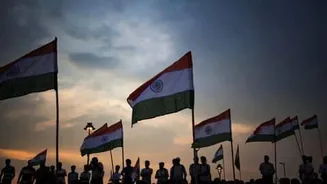
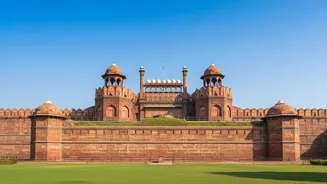
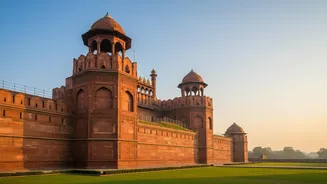
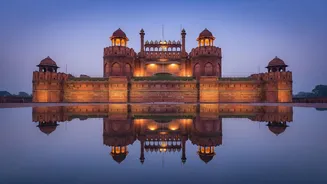
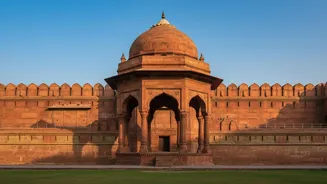
For the first time since India gained independence, the national song, 'Vande Mataram', will be sung from the ramparts of the Red Fort as part of the official Independence Day ceremony. This significant addition is scheduled to take place upon the arrival
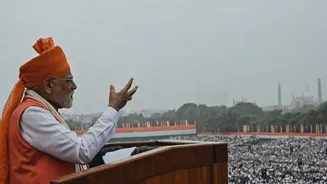
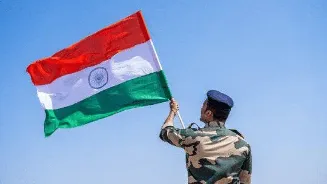
of the Prime Minister, just before the customary unfurling of the national flag and the traditional address to the nation. According to Defence Secretary Rajesh Kumar Singh, this inclusion is a tribute to the song's enduring legacy, as 2026 marks 150 years of the anthem that fuelled the freedom struggle for millions.
A New Ceremonial Sequence
This inclusion changes the established protocol of the ceremony. Traditionally, the programme at the Red Fort follows a strict schedule centred around the Prime Minister's Guard of Honour, flag hoisting, the 21-gun salute, and the keynote speech. The introduction of 'Vande Mataram' at such a pivotal moment — after the Prime Minister's arrival but before the flag is unfurled — adds a new layer of patriotic observance to the proceedings. This change follows a recent government focus on elevating the status of the national song, including new protocols for its rendition at official functions and legislation passed by Parliament to grant it the same status as the national anthem.
Celebrating Youth and a Vision for 2047
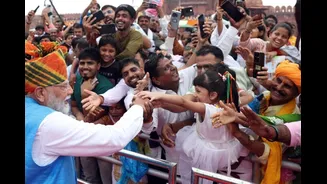
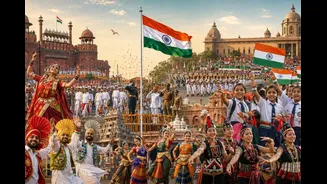
Alongside the tribute to 'Vande Mataram', the celebrations are themed around 'Yuva Shakti for Viksit Bharat@2047', emphasizing the role of India's youth in shaping the nation's future. This theme is not merely a slogan; it will be visibly represented at the Red Fort. Among the approximately 5,000 special guests invited are 19 students who won medals at the 2026 International Science Olympiads; they will be seated on the rampart itself as a symbol of youth achievement. Other young achievers, including innovators, entrepreneurs, and top interns from various government schemes, will also be in attendance, representing a microcosm of young India.
Symbolism Across the Celebration
The theme of 'Vande Mataram' will be woven throughout the event's decorations and activities. The floral arrangements at the Red Fort will showcase the song's title, and 2,500 cadets and volunteers will form the words 'वंदे मातरम्' on the Gyanpath. An Indian Air Force helicopter will fly a banner commemorating the song's 150th anniversary while showering petals on the attendees. This comprehensive thematic integration aims to create a powerful and unified message, connecting the historical spirit of the freedom struggle with the future-oriented vision of a developed India led by its youth.
Why This First Matters
Introducing 'Vande Mataram' to the Red Fort ceremony is more than a procedural change; it's a deeply symbolic act. The song, a cornerstone of the independence movement, has a complex and emotional history. Its formal inclusion in the main ceremony from the very ramparts where prime ministers have charted the nation's course is a powerful statement. It formally links the administrative pomp of the state with the raw, revolutionary passion that birthed the nation. As India celebrates its 80th year of freedom, this new tradition serves as a poignant reminder of the cultural and emotional foundations of its sovereignty, while simultaneously turning the focus to the young citizens tasked with carrying that legacy forward.