





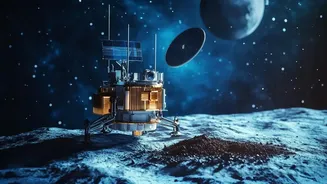

Meet Mission Pandora
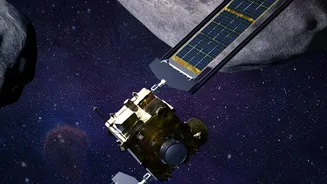
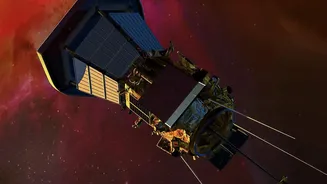
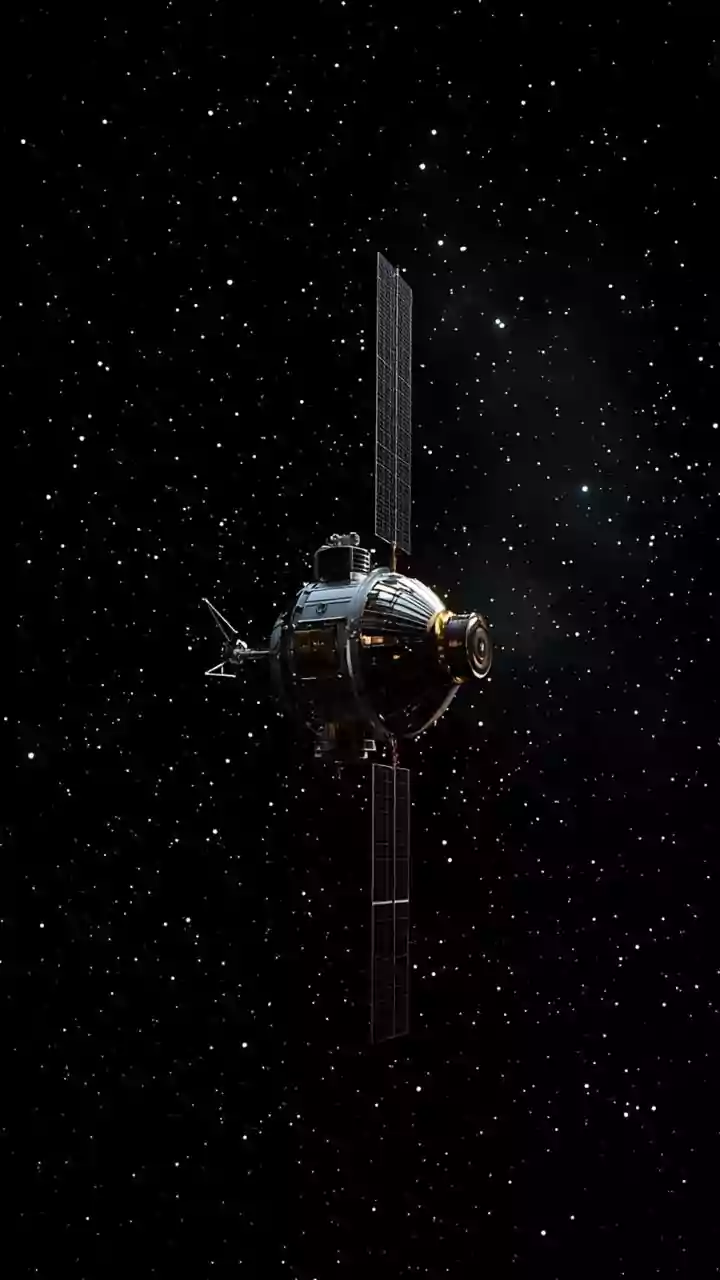
The project at the heart of this new endeavor is Pandora, a small but ambitious satellite mission. Launched as the first project under NASA's Astrophysics Pioneers program, which champions smaller, faster, and more cost-effective missions, Pandora has
a highly specific job. Its primary goal for its year-long mission is to study at least 20 exoplanets, observing each one multiple times. The mission isn't just about what's in the planetary atmospheres; it's about solving a fundamental problem that has long vexed astronomers trying to study these distant skies.
Untangling Starlight from Planet-Light
When an exoplanet passes in front of its star—an event called a transit—a tiny fraction of the starlight filters through the planet's atmosphere. That light carries the chemical fingerprints of the gases present, telling scientists what the atmosphere is made of. However, stars are not perfectly uniform lightbulbs. They have active regions, spots, and flares that can create signals that mimic or mask the atmospheric data from the planet. Pandora’s main job is to disentangle these two signals. By observing the star and planet simultaneously in both visible and near-infrared light, it can create a clean signal of just the planet's atmosphere, providing more reliable data. This work is crucial for getting accurate readings and will help calibrate observations from more powerful observatories like the James Webb Space Telescope (JWST).
The Chosen Twenty and Their Secrets
The mission will focus on at least 20 different exoplanets, ranging from gas giants to smaller, rocky worlds. The specific targets were chosen to provide a diverse sample for study. During its mission, Pandora will observe each of these 20 planets around 10 times, with each observation lasting for a continuous 24-hour period to capture the full transit event. Scientists are on the hunt for key atmospheric components, especially signs of water, clouds, and hazes. Understanding the presence and nature of these elements is a critical step in determining a planet's potential for habitability. While finding water is a key goal, the Pandora mission is more about perfecting the method to find it reliably on a wider scale in the future.
A Stepping Stone to Habitable Worlds
Pandora is not designed to find alien life directly. Instead, it serves as a vital foundational mission. The data it gathers on how to correct for stellar contamination will be invaluable for current and future telescopes, most notably the JWST. The JWST has already provided unprecedented looks into exoplanet atmospheres, but its time is incredibly valuable and oversubscribed. By using the smaller, dedicated Pandora satellite to solve the stellar contamination issue, astronomers can use the JWST's powerful instruments more efficiently. This specialized approach lays the groundwork for future, even more ambitious projects like the planned Habitable Worlds Observatory, which will be built specifically to find and characterize Earth-like planets and search for signs of life.