



Decoding the PUFFINS Mission
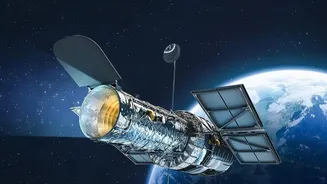
PUFFINS is not a seabird in this context, but a sophisticated space telescope. The name is an acronym for 'Polarimetry in the Ultraviolet to Find Features in INterStellar dust'. It’s a SmallSat mission funded by NASA's Astrophysics Pioneers program, which
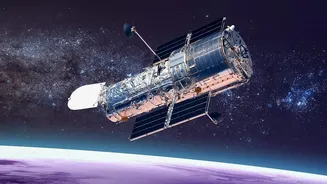
aims to conduct big science with smaller, more focused projects. The mission involves sending a satellite into low-Earth orbit equipped with a specialized 10-inch telescope. From there, it will observe approximately 70 different stars to analyze how their light is affected by the interstellar dust it passes through on its way to us. The project is a joint effort led by the University of Arizona, in collaboration with the McDonald Observatory at The University of Texas at Austin and other scientists worldwide.
The University of Arizona Takes the Lead
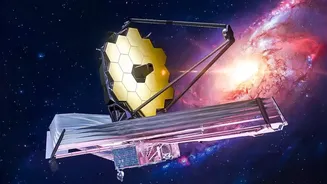
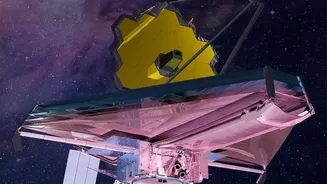
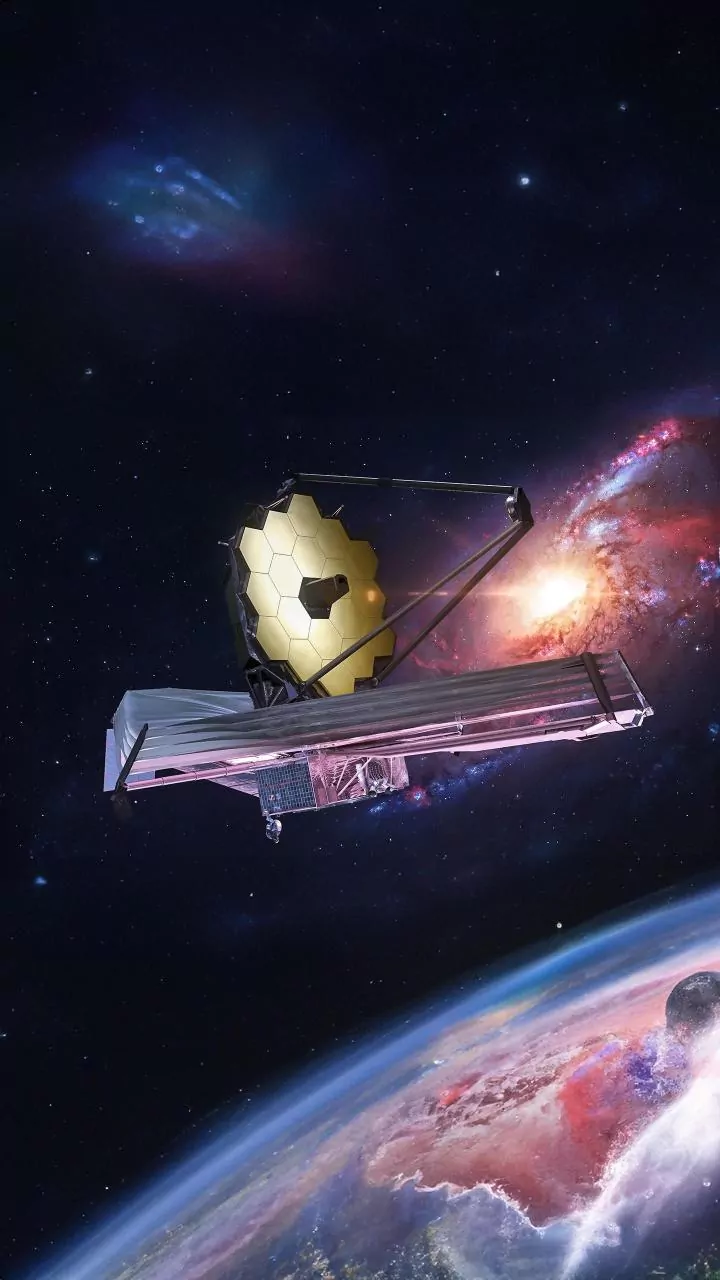
The University of Arizona's Steward Observatory is at the helm of this $20 million project, with Assistant Research Professor Dr. Ramya Anche serving as the mission's principal investigator. This isn't the university's first foray into pioneering astrophysics; it also leads the Aspera mission and has made significant contributions to the Pandora mission, both part of the same NASA program. The university's role involves designing, building, and eventually operating the space telescope. This leadership position solidifies the University of Arizona's reputation as a world-class institution for astronomical research and instrumentation, having previously built instruments for major observatories like the James Webb Space Telescope.
Why Interstellar Dust Matters
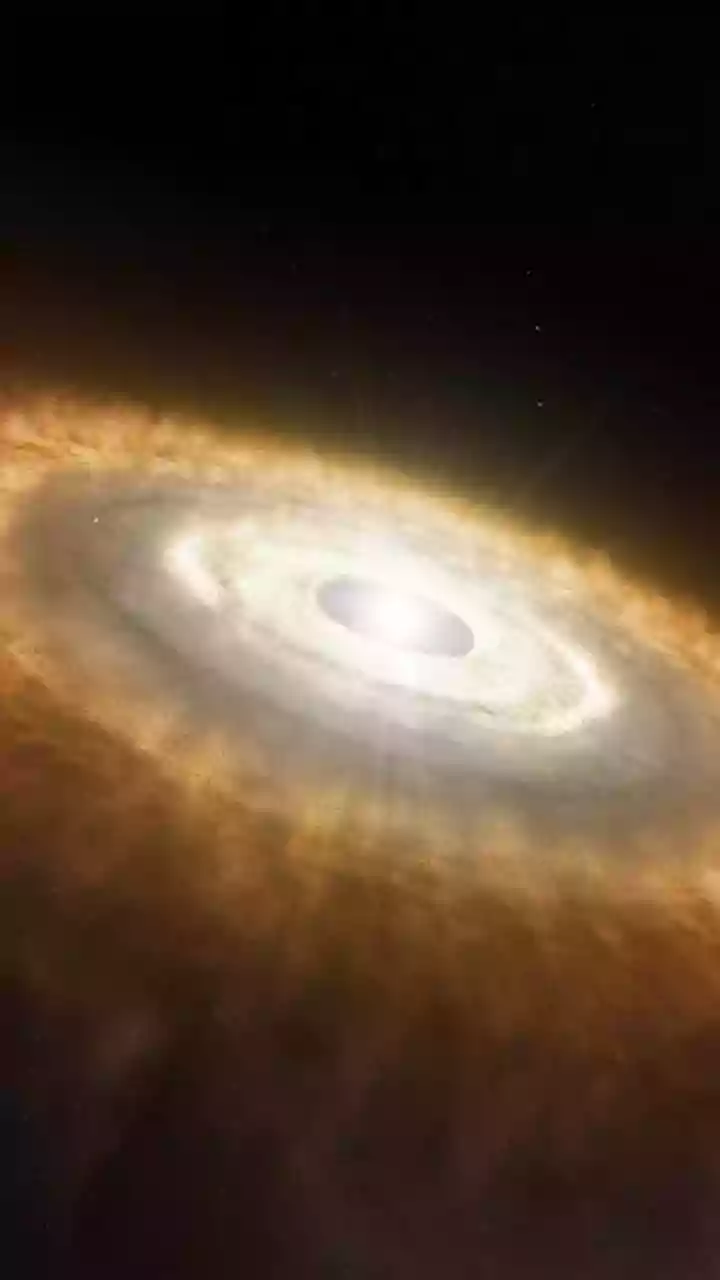
It might seem strange to focus so much effort on 'dust', a substance we often try to get rid of. But in space, dust is a crucial building block of the cosmos. These microscopic grains, often smaller than a virus, are the raw materials from which stars and planets are born. Though it makes up only about 1% of the visible matter in our galaxy, interstellar dust plays a huge role in how galaxies evolve. By studying its composition and behaviour, scientists can learn more about the lifecycle of stars, the formation of planetary systems like our own, and the very chemistry of the universe. As the famed astronomer Carl Sagan once said, 'We are made of star stuff', and that 'stuff' includes this very dust.
A New Way of Seeing
PUFFINS will use a technique called ultraviolet spectropolarimetry. Essentially, it measures a property of light called polarization. Think of it like looking through polarized sunglasses to cut down on glare; the telescope will analyze how starlight becomes 'polarized' as it passes through clouds of aligned dust grains. These dust grains act like microscopic compass needles, lining up with the galaxy's magnetic field. By studying the changes in the starlight's polarization, scientists can deduce the dust's size, what it's made of, and how it interacts with its environment. This technique has been underutilized for decades, and PUFFINS will be the first mission in nearly 30 years to use it from space, promising to fill a major gap in our cosmic knowledge.
Paving the Way for Future Discoveries
The PUFFINS mission is currently in its design phase, with a planned launch in 2030. The data it collects will not only answer long-standing questions about the smallest particles in our galaxy but will also serve as a vital stepping stone for future, even more ambitious projects. The mission is considered a critical bridge to NASA’s next flagship space telescope, the Habitable Worlds Observatory (HWO), which is planned for the 2040s. The findings and technological advancements from PUFFINS will help define the science and instrumentation for HWO, ensuring that this small but mighty mission has a long-lasting impact on our quest to understand the universe.