





The Deluge in Nepal
On August 26, a sudden and catastrophic flash flood struck Nepal's mountainous Rasuwa district near the Tibet border. The deluge, suspected to be triggered by a glacial lake outburst flood (GLOF) or an ice-rock avalanche, sent a massive surge of water,
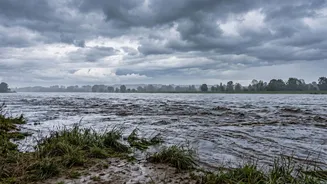
mud, and debris down the Bhote Koshi and Trishuli river systems. The event was exceptionally rapid, with water levels in the Trishuli river surging by as much as nine metres in just 30 minutes at some locations. The disaster caused widespread devastation in Nepal, sweeping away homes and bridges, damaging critical infrastructure like hydropower projects, and leaving hundreds of people, including Indian tourists, dead or missing.
The Downstream Connection to India
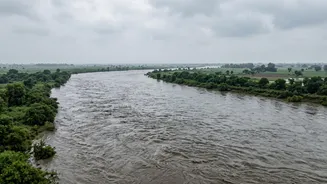
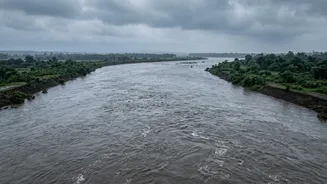
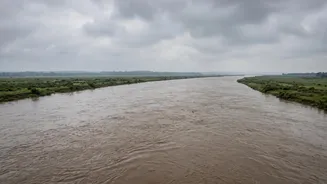
The geography of the Himalayan river system means that a crisis in Nepal's mountains quickly becomes a concern for the plains of India. Several major rivers that flow through Bihar and Uttar Pradesh originate in or are fed by catchments in Nepal. The river systems involved in the recent flash flood—the Bhote Koshi and Trishuli—flow into the Narayani river in Nepal. This very river crosses the border into India, where it is known as the Gandak. This direct connection forms a natural pathway for floodwaters, posing an immediate threat to downstream Indian districts. Other major trans-boundary rivers, like the Kosi (known as the 'Sorrow of Bihar'), Ghaghara, and Bagmati, create similar vulnerabilities.
Bihar on High Alert
In response to the threat, Bihar's government placed nine districts on high alert, including West Champaran, East Champaran, Gopalganj, Muzaffarpur, Sitamarhi, and Supaul. A primary point of focus has been the Gandak Barrage at Valmikinagar in West Champaran. As a precautionary measure, officials opened all 36 gates of the barrage to manage the expected surge of water. Water discharge from the barrage peaked at 1.50 lakh cusecs on Wednesday night before receding, though authorities remain vigilant due to subsequent rainfall in Nepal's catchment areas. The state’s Disaster Management Department, along with the National Disaster Response Force (NDRF), has been fully activated. Nine NDRF teams have been deployed across vulnerable districts to carry out surveillance and potential rescue and relief operations. Evacuations have been carried out in low-lying areas, and residents have been alerted through public announcements.
Uttar Pradesh Braces for Impact
Uttar Pradesh has also escalated its preparedness, with a high alert sounded for districts bordering Nepal, primarily Maharajganj and Kushinagar. Chief Minister Yogi Adityanath directed the local administrations to ensure all necessary measures are in place and to maintain strict vigilance. The focus is on monitoring the water levels of the Gandak and Narayani rivers, which are expected to rise due to the floods in Nepal. The state has 11 NDRF teams deployed for flood warning and response operations. Officials are continuously monitoring river embankments, alerting vulnerable villages, and ensuring that relief and rescue teams are ready for immediate deployment if the situation worsens.
A Coordinated and Vigilant Response
While the immediate impact on Indian territory has so far been minimal, according to the NDRF, the situation remains critical and is being monitored around the clock by both central and state agencies. The Central Water Commission (CWC) is providing regular updates on river discharge and flow rates. The Union Home Minister has assured Bihar's Chief Minister of all possible assistance from the central government. In addition to the deployed state resources, four NDRF teams are on standby for potential deployment to Nepal, should a formal request for assistance be made. The incident has also renewed calls for a more robust joint flood management plan between India and Nepal to better mitigate this recurring and devastating seasonal challenge.