
A Symphony of Contrasts
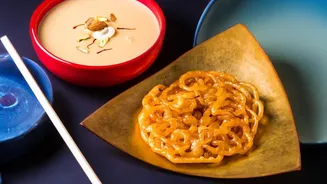
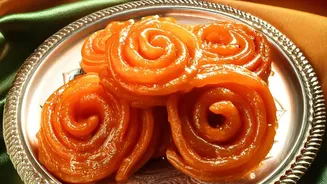
At its heart, the magic of jalebi-fafda lies in perfect contrast. Jalebi, a sweet made by deep-frying a fermented batter and soaking it in sugar syrup, offers a crispy yet chewy texture that melts in your mouth. Fafda, its savoury partner, is a crunchy,
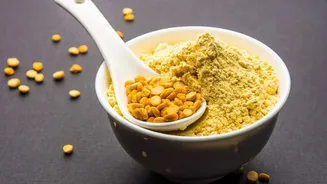
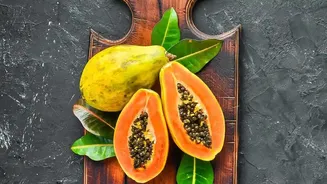
long strip made from gram flour (besan), seasoned with carom seeds and turmeric. When eaten together, the salty, spiced crunch of the fafda cuts through the intense sweetness of the jalebi, creating a balanced and endlessly satisfying experience. This delightful opposition is often enhanced with a side of spicy green chutney or a shredded raw papaya salad called sambharo, adding another layer of complexity.
The Dussehra Connection
While enjoyed year-round, the pairing is deeply woven into the fabric of Vijayadashami, or Dussehra, in Gujarat. Tradition holds multiple explanations for this. One popular belief connects the foods to Lord Rama's victory over Ravana. Jalebi, an ancient sweet once known as 'Shashkuli', is said to have been a favourite of Lord Rama, making it a fitting treat to celebrate his triumph. Fafda, made of gram flour, is linked to Lord Hanuman, Rama's devoted follower, who favoured besan-based snacks. Eating them together is a way to honour both. Another practical reason is tied to the Navratri fasts that precede Dussehra. Many break their fasts on this day, and tradition suggests using foods made from gram flour, which are considered light on the stomach.
The Science of Sweet and Salty
The universal appeal of this combination isn't just cultural; it's biological. Our brains are wired to enjoy diverse flavours. Consuming something that is only sweet or only salty can lead to 'sensory specific satiety,' where our taste buds essentially get bored. A sweet and savoury pairing like jalebi-fafda keeps the brain engaged. Salt is a natural flavour enhancer; it doesn't just add saltiness but also amplifies the sweetness of the jalebi while suppressing any bitterness. This 'flavour layering' creates a more complex and rewarding sensation, triggering a positive response from our flavour receptors.
A Communal Tradition
Food traditions are rarely just about the food itself; they are about community. In Gujarat, especially on Dussehra morning, queues form at local 'farsan' shops from the early hours. The act of buying and sharing jalebi-fafda with family and friends is a core part of the celebration, fostering a sense of togetherness. While the individual origins of the two dishes are separate—jalebi has West Asian roots while fafda is native to Gujarat—their pairing was popularized in the early 20th century by local eateries in Ahmedabad, like the heritage Chandravilas restaurant. This local habit slowly solidified into a regional ritual, demonstrating how community hubs can cement a food tradition.
More Than a Meal, It's an Identity
Ultimately, the journey of jalebi-fafda from a simple snack to a cultural emblem shows how traditions are formed. It requires a perfect blend of sensory pleasure, cultural relevance, and social bonding. The pairing provides quick energy after fasting, aligns with religious stories, and brings people together. It becomes a shorthand for Gujarati identity, a culinary symbol that travels with the diaspora across India and the world. It's a testament to the idea that a food pairing endures when it satisfies not just the palate, but also the soul.