






A Diplomatic Arrival
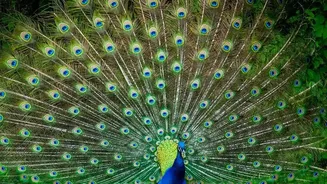
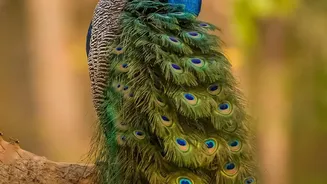
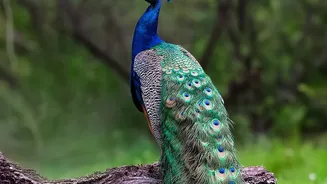
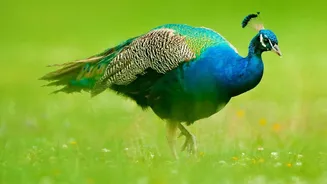
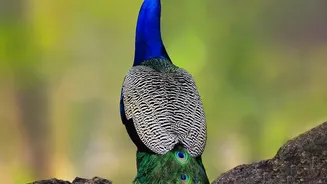
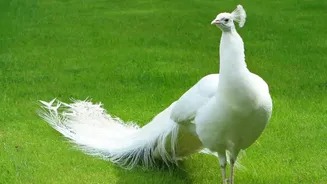
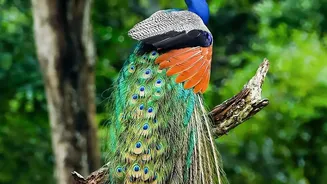
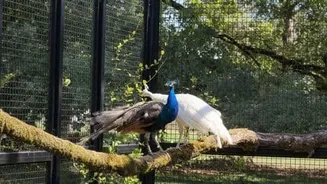
Five young peacocks, including four classic blue males and one with rare white plumage, were formally handed over to the UN's European headquarters in early August 2026. India's Permanent Representative, Arindam Bagchi, presented the birds to UNOG Director-General
Tatiana Valovaya in a special ceremony at the historic Palais des Nations. The birds will initially reside in a special enclosure within the expansive Ariana Park for about three months to acclimate before being allowed to roam freely across the 46-hectare estate. Officials noted the symbolic choice of colours, with the blue and white birds echoing the official colours of the United Nations itself.
Echoes of a Bygone Era
This gesture is not without precedent; it consciously revives a tradition started 45 years ago. In 1981, then-Prime Minister Indira Gandhi dispatched a breeding pair of Indian peafowl from the Delhi Zoo to Geneva. That original gift established a living link between India and the UN grounds, with the birds and their descendants becoming a cherished feature of the park. Over the time, however, the population naturally dwindled, eventually leaving just a single bird. The United Nations reached out to India to help restore the population, and this new gift is a direct response, continuing a legacy of friendship that began decades ago.
The Peacock as National Symbol
The choice of the peacock is deeply significant. As India's national bird, the Pavo cristatus is a powerful symbol of grace, beauty, and resilience. It is woven deeply into the country's cultural, artistic, and religious fabric, appearing in everything from ancient scriptures and architectural motifs to modern art. By presenting its national bird on an international stage, India is engaging in a form of 'soft power' diplomacy. This act communicates friendship and goodwill through a shared appreciation for nature and heritage, a gesture more personal and resonant than a formal political agreement. It's a statement about India's commitment to biodiversity and its unique cultural identity.
A Longstanding Tradition in Geneva
While India's gifts are significant, the presence of peacocks in Ariana Park predates even the United Nations. The tradition began in the late 19th century when the estate's original owner, Gustave Revilliod, bequeathed the land to the city of Geneva. His conditions were that it be named Ariana Park, that he be buried there, and that his beloved peacocks always be allowed to roam freely on the grounds. Over the years, the peacock population has been supplemented by other donations, including a notable gift from a Japanese zoo in 1997. India's contribution therefore not only strengthens its own diplomatic ties but also helps sustain a cherished local tradition that is over a century old.