







A Landmark Recruitment Drive
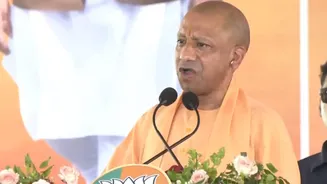
The scale of government hiring in Uttar Pradesh is immense. Recent announcements point towards a target of providing 1.5 lakh government jobs in 2026 alone, part of a larger goal to create 10 lakh jobs over a decade. This massive influx of personnel is spread
across critical departments like police, education, revenue, and health. For a state with a huge population of young job aspirants, these drives, often conducted under 'Mission Rozgar', represent a golden ticket to stable, secure employment. The headline figure, while impressive, simplifies a much more complex reality for the individuals who secure these coveted positions. Once the celebration of landing a government job subsides, a new phase begins: navigating the choices that will shape their professional and personal lives for years to come.
The Critical Choice of Posting
Perhaps the most significant decision a new government employee faces is their place of posting. In a state as vast and diverse as Uttar Pradesh, the difference between a posting in a bustling Tier-1 city like Lucknow and a remote rural village is monumental. This isn't merely a choice of location; it's a choice of lifestyle, professional environment, and access to amenities. An urban posting often comes with better infrastructure, superior educational and healthcare facilities for one's family, and more opportunities for social engagement. However, it may also involve higher living costs and more intense professional competition. The choice is rarely straightforward and is often dictated by a merit-cum-preference system, where higher-ranking candidates get first pick, leaving others to weigh the pros and cons of the available options.
The Rural vs. Urban Trade-Off
Accepting a rural posting is a classic trade-off. On one hand, it can offer a closer connection to the community one serves, a lower cost of living, and a less frenetic pace of life. For many, it's an opportunity to make a tangible impact at the grassroots level. On the other hand, the challenges are significant. Rural areas often grapple with a lack of resources, from reliable internet to adequate transportation and housing. For employees with families, concerns about children's education and access to quality healthcare are paramount. Professionally, a rural posting might mean isolation from departmental headquarters, fewer networking opportunities, and limited access to professional development or training, potentially slowing career progression. This dilemma forces a difficult calculation between personal comfort and professional duty.
Department, Designation, and Future Growth
Beyond geography, new recruits often face choices related to their specific role. While the initial exam might be for a broad category like the Revenue Department (Lekhpal) or the Education Department (teacher), the specific assignment can vary greatly. Some departments are perceived as more influential or having better avenues for promotion. Within a department, certain roles might be desk-based while others are field-intensive, each with its own set of demands and rewards. An employee might have to weigh the prestige of a 'powerful' post against the work-life balance of a quieter one. These initial decisions can set an employee on a specific career track. In the world of government service, where promotions are often time-bound, the initial placement can influence one's entire career arc, making these early choices incredibly weighty.