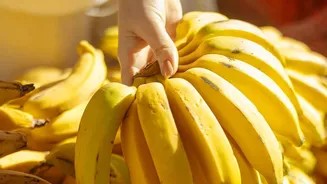



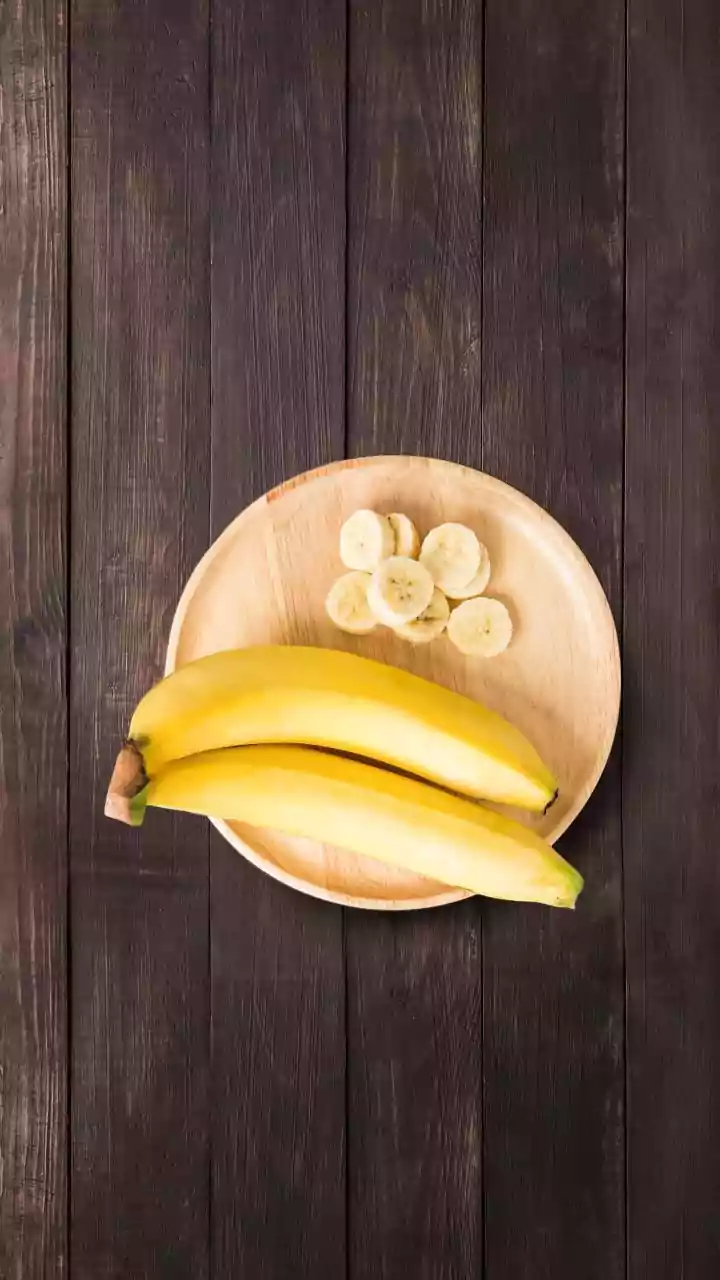


Green, Yellow, or Spotted: Ripeness Matters
Before we can talk about timing, we need to talk about ripeness. A banana's nutritional profile changes dramatically as it goes from green to yellow to spotted brown. Green, underripe bananas are high in resistant starch and fiber. This type of starch “resists”
digestion, acting more like a prebiotic fiber that feeds good gut bacteria. As a banana ripens and turns yellow, that starch converts into natural sugars like sucrose, fructose, and glucose. A fully yellow banana offers a balance of nutrients and antioxidants, while an overripe, spotted one has the highest sugar content and is easiest to digest, making it a source of quick energy. This fundamental difference is the key to unlocking the best time for your banana break.
Before Your Workout: A Quick Energy Boost
If you're looking for a quick source of fuel to power through a workout, a ripe yellow banana is your best bet. Eaten 30 to 60 minutes before you start exercising, the easily digestible sugars provide a rapid energy boost for your muscles. Unlike some processed snacks, the fiber in a banana helps moderate the release of this energy, preventing a dramatic sugar crash mid-session. It's a natural, efficient way to top up your energy stores without feeling weighed down or bloated, making it ideal for both endurance activities and a session at the gym.
After a Workout: For Recovery and Repair
The benefits don't stop once your workout is over. Eating a banana post-exercise is excellent for recovery. During intense activity, your body uses up its glycogen stores (stored energy in your muscles), and you lose electrolytes like potassium through sweat. A banana helps replenish both. Its carbohydrates work to restore muscle glycogen, while its potassium content helps prevent muscle cramps and supports overall muscle function. Some studies suggest that consuming a banana after a workout may also help reduce inflammation and assist your body in utilizing protein more effectively, speeding up the entire recovery process.
To Stay Full Longer: Go a Little Greener
If your goal is to curb hunger between meals, reach for a banana that’s still slightly green. The high concentration of resistant starch and fiber in less-ripe bananas slows down digestion. This helps you feel fuller for longer, making it an excellent snack for weight management. This slow digestion also means a lower glycemic index, which prevents sharp spikes in blood sugar. While a very green banana might not be as sweet or easy to peel, one that is just turning from green to yellow offers a great balance of texture and satiating power.
For a Happy Gut: A Tale of Two Bananas
For digestive health, the right banana depends on your specific needs. The resistant starch in greener bananas acts as a prebiotic, feeding the beneficial bacteria in your large intestine and promoting a healthy gut microbiome. However, for some, this same starch can be harder to digest and may cause gas or bloating. Ripe yellow bananas, on the other hand, are lower in resistant starch and contain pectin, a type of soluble fiber that can help regulate bowel movements and is generally easier on the stomach.
As a Bedtime Snack: A Calming Choice
If late-night hunger strikes, a banana can be a surprisingly smart choice. Bananas contain magnesium and potassium, two minerals that act as natural muscle relaxants. They also contain tryptophan, an amino acid that the body converts into serotonin and then melatonin, the hormone that regulates sleep cycles. While a single banana isn’t a cure for insomnia, its combination of carbs and sleep-promoting nutrients can help create a state of relaxation, making it a healthier alternative to many other late-night snacks.