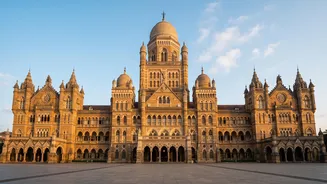








A City-Wide Regulatory Sweep
A significant enforcement drive by Maharashtra's Food and Drug Administration (FDA) has put Mumbai's food and beverage industry on high alert. Since May 2026, under the leadership of new Food Safety Commissioner Tukaram Mundhe, inspection teams have conducted
thousands of raids across the state. This 'Safe Food, Safe Maharashtra' campaign has been notably visible in Mumbai, targeting establishments ranging from popular street-food vendors and local eateries to major international chains and prestigious clubs. In recent weeks, dozens of licences have been suspended, and improvement notices have been served to hundreds of establishments for failing to comply with food safety regulations. The Brihanmumbai Municipal Corporation (BMC) has also intensified its own ward-level inspections, complementing the FDA's efforts and creating a stricter regulatory environment.
What Sparked the Unprecedented Crackdown?
The intensified action appears to be driven by a renewed focus on public health and consumer rights, spearheaded by the new FDA commissioner. The campaign aims to enforce existing provisions of the Food Safety and Standards Act, 2006, which have often been overlooked. High-profile incidents and a general perception of lax hygiene standards have contributed to the push. The crackdown is not limited to private businesses; when a judge questioned if government canteens were also being inspected, FDA teams promptly visited court canteens, shutting down some that were operating without proper licenses. This has sent a clear message that compliance is non-negotiable for all, restoring a degree of public faith in the regulatory process.
Common and Shocking Violations Uncovered
The inspections have revealed a troubling pattern of non-compliance across the board. Some of the most common violations include filthy kitchens with grease and dirt accumulation, and the presence of live flies, cockroaches, and even rats. Inspectors have frequently found rotten raw food, expired ingredients, and improper food storage, such as storing high-risk items like eggs at room temperature and failing to separate raw and cooked foods. Other widespread issues include unhygienic food handling by staff not wearing gloves, the use of non-potable water, and a lack of records for pest control or water testing. In some cases, establishments, including major brands like McDonald's and Domino's, and iconic local names like Ayub's and the Bombay Presidency Radio Club, have faced licence suspensions for these very reasons.
The Impact on Restaurants and Diners
For restaurants, the consequences of non-compliance are severe, ranging from hefty fines and improvement notices to the immediate suspension of their FSSAI licence, which forces them to cease operations until they rectify all violations. The public nature of these raids has also led to significant reputational damage for many well-known brands. However, the crackdown has also spurred positive changes, with many businesses reportedly deep-cleaning their premises and improving their food handling protocols to avoid penalties. For diners, this heightened scrutiny is a welcome development. New rules mandate that all eateries must provide free, safe drinking water and display their FSSAI licence prominently. Large chain restaurants are also now required to display calorie and allergen information on menus, empowering consumers to make more informed and healthier choices.