






Sweet Potato (Shakarkandi)
Often hailed as a nutritional superstar, the sweet potato is a versatile root that fits perfectly into the comfort food category. With its naturally sweet flavour and creamy texture when cooked, it’s a delightful alternative to regular potatoes. Sweet
potatoes are packed with nutrients, most notably beta-carotene, which the body converts into Vitamin A. This vitamin is essential for healthy vision and a strong immune system. They are also an excellent source of dietary fibre, which aids digestion and promotes a feeling of fullness. Additionally, they provide a good dose of Vitamin C, potassium, and manganese. For a simple and comforting meal, try roasting them whole until tender, then splitting them open and adding a dollop of yogurt. They can also be mashed into a creamy side dish, blended into a velvety soup, or cubed and added to stews and curries for a touch of sweetness.
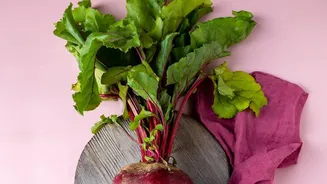
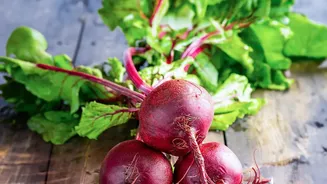
Beetroot (Chukandar)
With its stunningly vibrant colour and earthy-sweet flavour, beetroot is a fantastic and healthy addition to any meal. This root vegetable is low in calories yet rich in valuable vitamins and minerals. Beetroots are a great source of fibre, folate, manganese, potassium, iron, and Vitamin C. They are particularly noted for their high content of inorganic nitrates, which have been linked to improved blood flow and better heart health. The compounds that give beets their rich colour, called betalains, are antioxidants that help reduce inflammation. Beetroot's versatility makes it a wonderful comfort food ingredient. Roasting brings out its inherent sweetness, making it a delicious side dish on its own or tossed into a warm salad. It can also be blended into a hearty, ruby-red soup, or even grated into cutlets and patties for a nutritious twist. Pickled beets also offer a zesty kick to heavier meals.
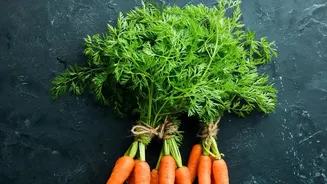
Carrot (Gajar)
The carrot is perhaps the most familiar root vegetable on this list, but its comforting qualities should not be underestimated. This crunchy, sweet vegetable is famously rich in beta-carotene, an antioxidant that supports good vision. Carrots are also a good source of fibre, Vitamin K, and potassium. Their natural sweetness intensifies when cooked, making them a favourite in a wide variety of comforting dishes across many cuisines, including Indian cooking. Carrots are a staple in slow-cooked stews and curries, where they become tender and absorb the surrounding flavours. They form the flavourful base of many soups, especially when blended into a creamy spiced carrot and lentil soup. For a simple and satisfying side, try roasting carrots with a touch of honey or maple syrup until they are caramelized and tender. Their versatility extends from hearty mains to even moist, wholesome cakes.
Turnip (Shalgam)
Though sometimes overlooked, the turnip is a wonderfully comforting root vegetable with a mild, slightly peppery flavour that becomes sweet and tender when cooked. Turnips are a cruciferous vegetable, related to broccoli and kale. They are low in calories but high in nutrients, providing a significant amount of Vitamin C, which is crucial for immune support. They are also a good source of dietary fibre and potassium, which is important for heart health and regulating blood pressure. Turnips are excellent when mashed, either on their own or mixed with potatoes for a lighter, more complex flavour. They can be diced and added to vegetable curries and stews, where they soak up the spices beautifully. Another comforting preparation is to roast them until golden brown, which enhances their natural sweetness. They can also be used in soups or even thinly sliced and baked into healthy chips.
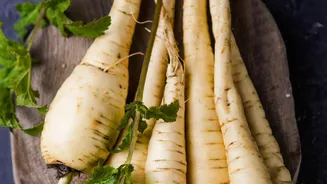
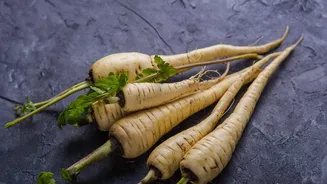
Parsnip
Looking like a pale carrot, the parsnip has a unique flavour profile that is sweet, nutty, and distinctly earthy. This root vegetable becomes incredibly sweet and tender after being exposed to frost during its growing season. Parsnips are an excellent source of soluble and insoluble fibre, which is great for digestive health and helps you feel full longer. They are also packed with Vitamin C, Vitamin K, and folate. Furthermore, they are a good source of potassium, which supports heart function. Roasting is one of the best ways to enjoy parsnips; it caramelizes their natural sugars and creates a delicious, comforting side dish. Their creamy texture when cooked makes them perfect for mashing or blending into a rich, warming soup. You can also slice them into fries and bake them as a healthy alternative to potato fries, or add them to stews and pot roasts for an extra layer of sweet, earthy flavour.