


The Foundational Act of Soaking
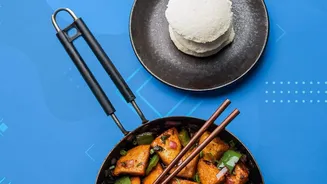
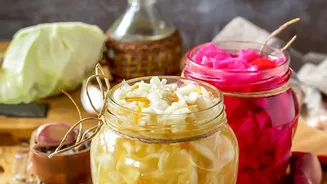
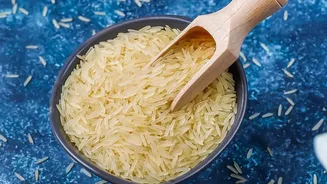
In Indian cooking, soaking is where the magic begins, especially for breakfast. This is not just about softening ingredients; it's a deliberate, transformative process. For iconic South Indian dishes like idli and dosa, rice and lentils (dal) are soaked
separately for several hours. This step is crucial for two reasons. First, it softens the grains, making them ready for grinding into a smooth batter. Second, and more importantly, it kicks off fermentation. Soaking helps reduce anti-nutrients like phytic acid, which can block mineral absorption. This process makes the final dish easier to digest and enhances its nutritional value by making minerals like iron and calcium more available to the body. It’s a patient, foundational technique that turns simple grains into something special.
The Transformative Power of Grinding
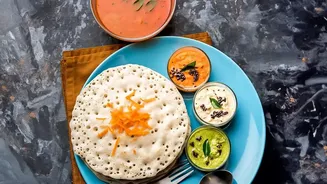
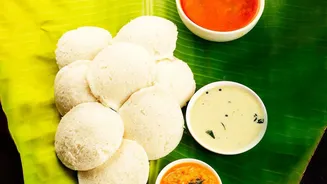
After soaking comes grinding, the step that creates the very texture of breakfast. Traditionally done with a stone grinder, this process turns the softened rice and dal into a smooth, flowing batter. The goal is not just to pulverize the grains but to achieve a specific consistency. For dosa, the batter needs to be fine and pourable to create a thin, crispy crepe. For idli, the same batter is used, but its texture allows it to be steamed into soft, pillowy cakes. The fermentation that began during soaking continues after grinding, as naturally present microorganisms produce carbon dioxide, causing the batter to rise. This aeration is what gives idlis their characteristic spongy structure and dosas their delicate, lacey quality. Grinding is the bridge between raw ingredient and finished form, a vital step in creating the beloved textures of Indian breakfast.
The Gentle Art of Steaming
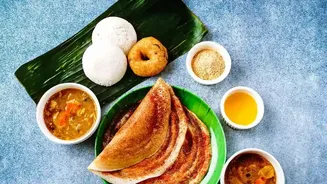
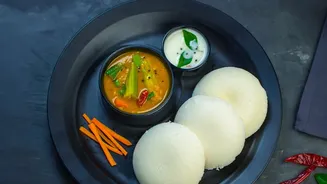
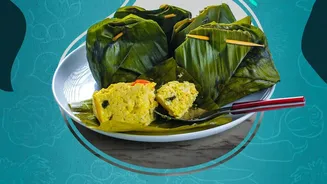
Steaming is a cornerstone of healthy Indian breakfast traditions, prized for its ability to cook food gently without adding oil, preserving nutrients, flavour, and texture. The most famous example is the idli, a soft, fluffy steamed rice cake made from fermented batter. Poured into special moulds, the batter is steamed for just a few minutes, transforming it into a light, digestible, and deeply satisfying meal. But the world of steamed breakfasts goes far beyond idli. From the western state of Gujarat comes dhokla, a savoury and spongy cake made from a fermented batter of chickpea flour. In Kerala, you'll find puttu, which consists of steamed cylinders of ground rice layered with coconut. Steaming traps moisture, resulting in dishes that are incredibly soft and perfect for soaking up flavourful accompaniments like sambar and chutney.
The Sizzle of the Griddle
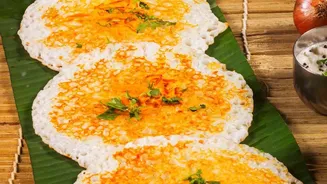
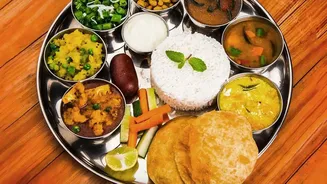
The tawa, or flat griddle, is the heart of many North Indian kitchens, especially at breakfast time. Griddling is all about achieving the perfect balance of a soft interior and a deliciously crisp, golden-brown exterior. The most famous griddled breakfast is the paratha, an unleavened whole wheat flatbread that is layered with ghee or oil. The dough is folded multiple times to create delicate, flaky layers before being rolled out and cooked on the hot tawa. Parathas can be plain or stuffed with fillings like spiced potatoes (aloo paratha) or cauliflower (gobi paratha). The same griddle is used in the South to cook dosas, transforming the fermented batter into a large, crispy crepe. Whether it's the flaky layers of a paratha or the crisp edges of a dosa, the sizzle of the griddle is the sound of a classic Indian breakfast coming to life.