



The Science of the Sit
In traditional wheat flour pancakes, resting the batter allows the gluten to relax, which prevents a tough, chewy result. But millets are gluten-free, so what gives? The magic here is all about hydration. Gluten-free flours like millet are much 'thirstier'
than wheat flour. They need more time to fully absorb the liquid in the batter. Skipping this step means the flour particles remain somewhat dry and gritty, leading to a denser, sometimes crumbly pancake. A short rest allows the flour to properly hydrate, which is crucial for achieving a superior texture.
Hydration Is Key for Texture
Millet flour absorbs liquid slowly. When you first mix your batter, it might look like the right consistency, but as it sits, the flour granules swell and soften. This process transforms the batter from a thin liquid with suspended solids into a thicker, more cohesive mixture. This improved viscosity does two things: it prevents the pancakes from spreading too thin on the griddle and it helps trap the air bubbles created by your leavening agents (like baking powder). More trapped air equals a fluffier, lighter pancake. This hydration process is essential for avoiding a gritty texture, which can sometimes be an issue with millet-based baked goods.
How Long Should You Rest the Batter?
Patience is a virtue, but you don't need a lot of it here. Most recipes and food science experts agree that a rest of 5 to 15 minutes is ideal for gluten-free pancakes. Several sources suggest a 10-minute rest is the sweet spot. This gives the millet flour enough time to hydrate without exhausting the leavening agents. If you let the batter rest for too long (an hour or more), the baking powder can lose its lifting power, potentially resulting in flat pancakes. During the rest, you may notice the batter thicken considerably; this is a good sign that the flour is doing its job.
The Delicious Difference You'll See and Taste
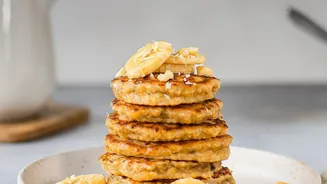
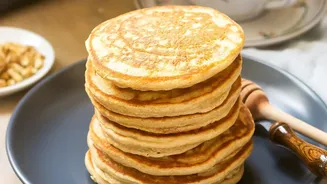
What does this short wait get you? The most noticeable difference is in the texture. Rested millet pancake batter cooks up into pancakes that are significantly fluffier, more tender, and hold together better when you flip them. They will have a more uniform and less gritty crumb. You'll also see better browning and a more even cook, as the fully hydrated batter transfers heat more effectively. The flavour can also improve, as the ingredients have a moment to meld, leading to a more balanced and less 'raw flour' taste. In short, it’s a small investment of time for a major upgrade in quality.
More Tips for Perfect Millet Pancakes
While resting the batter is a game-changer, a few other techniques can elevate your millet pancakes. First, don't overmix. Combine your wet and dry ingredients only until you no longer see streaks of dry flour; a few small lumps are perfectly fine. Using an acidic ingredient like buttermilk (or a splash of lemon juice in your milk of choice) can help activate the baking soda for extra lift. Finally, cook on a properly preheated pan over medium-low heat. Gluten-free pancakes can burn on the outside before the centre is cooked if the heat is too high. Wait for bubbles to appear across the surface before you even think about flipping.