



A Major Departure from the Blueprint
For nearly two decades, IndiGo's success story was written with a simple formula: fly one type of plane (Airbus A320 family), in one class (economy), and focus relentlessly on low costs, on-time performance, and quick turnarounds. This strategy made it India's
largest domestic airline by a significant margin, capturing over 60% of the market. But the IndiGo of today is evolving. CEO Pieter Elbers has spoken of the airline becoming 'fit-for-purpose' rather than a rigid low-cost carrier. The recent announcement to configure its upcoming fleet of wide-body Airbus A350s with business, premium economy, and economy classes is the most significant step yet in this transformation. It marks a strategic shift from a domestic, volume-focused airline to a global carrier aiming to compete on the world stage.
Anatomy of the New IndiGo Experience
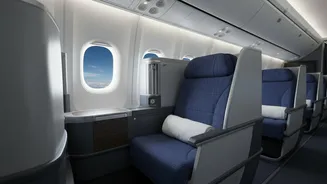
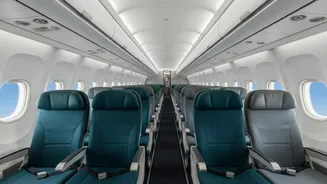
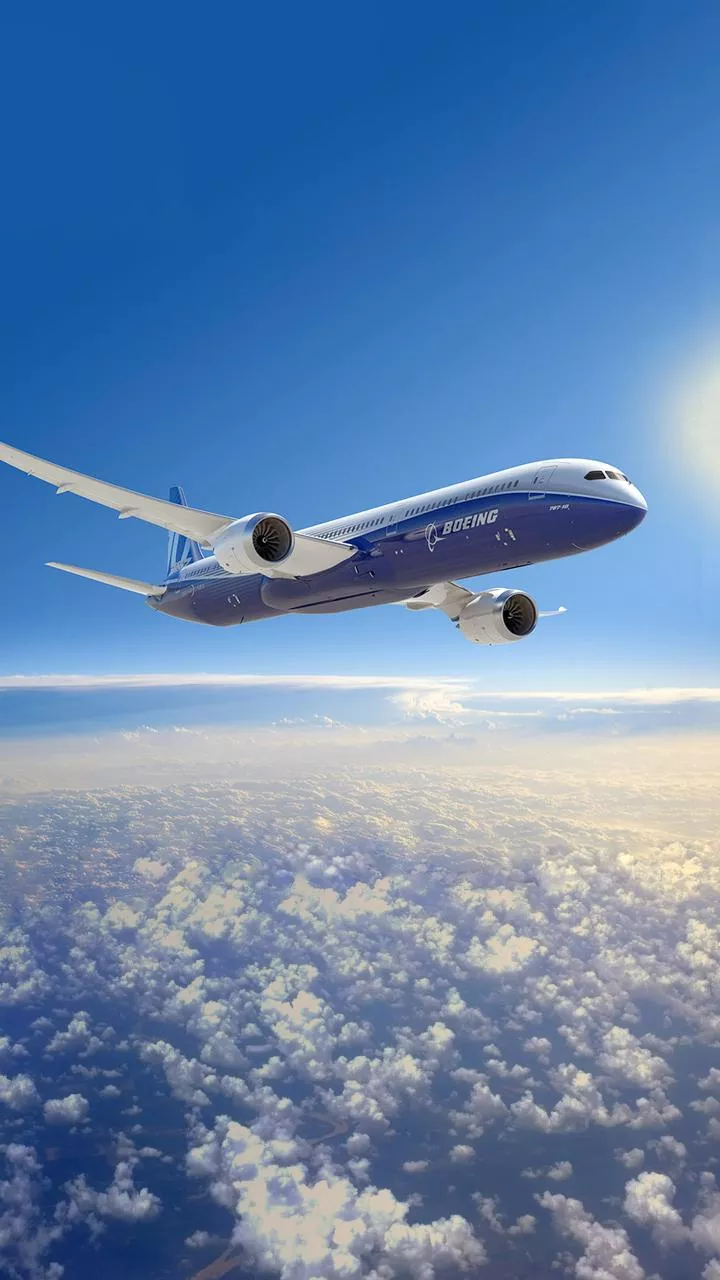
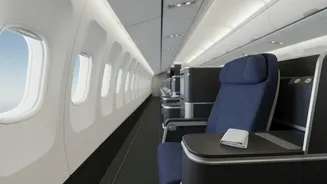
So, what will this new multi-class IndiGo look like? The plan for the Airbus A350-900 jets, set to arrive from 2028, includes a tailored product for long-haul routes of over eight hours, primarily targeting Europe. Reports indicate a configuration featuring 16 lie-flat business class seats, 28 premium economy seats, and a large 333-seat economy cabin. The inclusion of lie-flat seats is a direct challenge to full-service rivals, catering to corporate travellers who demand comfort on overnight flights. While adding premium cabins, IndiGo aims to maintain its cost DNA. The dense 333-seat economy section is larger than that of many competitors, a move designed to spread operating costs across more passengers and keep fares competitive. Passengers in all classes can expect amenities like hot meals, which are essential for long-haul travel.
Chasing the Premium International Flyer
This strategic pivot is all about capturing a lucrative segment of the market that IndiGo previously couldn't serve: the premium international traveller. Currently, a large portion of traffic between India and long-haul destinations like Europe is dominated by foreign carriers. By introducing business and premium economy cabins, IndiGo is positioning itself to compete directly with giants like Air India, Vistara, and major international airlines for high-yield corporate accounts and leisure travellers willing to pay more for comfort. The airline's leadership has set an ambitious goal to increase its international capacity from roughly 28% to 40% by 2030. The A350 fleet is the key to unlocking this potential, enabling non-stop flights to destinations far beyond the range of its current narrow-body aircraft.
A Calculated Gamble with High Stakes
Transitioning from a low-cost champion to a hybrid, multi-class airline is not without risks. Operating multiple cabin classes introduces significant complexity in service, marketing, and operations. The airline's brand, built entirely on affordable, simple travel, will need to be carefully managed to attract premium passengers without alienating its loyal base. Furthermore, the competition is fierce. A revitalised Air India, now under Tata Group ownership, is also investing heavily in fleet and cabin upgrades, setting the stage for a major battle in India's international skies. However, IndiGo is entering this new phase from a position of strength. Its track record of operational efficiency, cost discipline, and a strong balance sheet provide a solid foundation to absorb the initial costs and challenges of this ambitious expansion. The move is a calculated gamble that the growing Indian economy and rising demand for international travel will support its transformation into a true global aviation player.