







The Post-Monsoon Garden Reset
September is a transitional month across India. The intense rains are tapering off, but the humidity can linger. This period is crucial for setting up your garden for the upcoming cool and pleasant winter growing season. The first order of business is a thorough
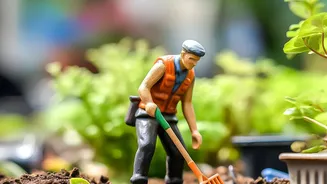
clean-up. Monsoon growth can be wild and unruly, so it's time to prune overgrown plants, remove any yellowing or dead leaves, and clear away debris that could harbor pests. Pay close attention to your soil. After weeks of rain, it may be heavily compacted. Gently loosen the topsoil with a hand fork to improve aeration and ensure drainage holes in pots are clear to let excess water escape.
Flowers to Sow for Winter Colour
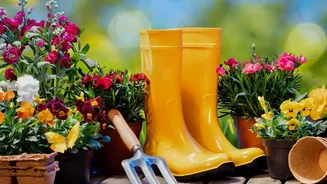
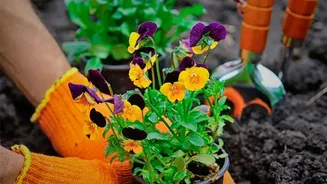
September is the ideal time to sow seeds for flowers that will bloom profusely in the winter. Planting now gives them a head start to establish strong roots before the cooler weather fully sets in. Some of the best choices for Indian gardens include Marigold, a festive favourite that is both beautiful and acts as a natural pest repellent. Pansies and violas, with their cheerful faces, are hardy and will provide continuous colour through the colder months. Other excellent options to plant from seed are Petunia, perfect for hanging baskets, the fragrant Sweet Pea, medicinal Calendula (Pot Marigold), and Dianthus. Starting these in seed trays before transplanting can often yield the best results.
Vegetables for a Bountiful Harvest
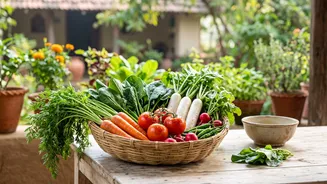
The end of the monsoon signals the start of the prime season for cool-weather vegetables. Leafy greens are a fantastic choice, with spinach being a fast-grower that can be ready for its first harvest in as little as 30 to 45 days. Different varieties of lettuce also thrive in the milder temperatures of autumn. This is also the perfect time to plant root vegetables like carrots, radishes, and beetroot. For those with a bit more space, consider sowing seeds for cabbage, cauliflower, peas, and beans. Even brinjal, a hardy plant, can be planted now for a later harvest.
Essential Herbs for Your Kitchen Garden
A kitchen garden can come alive in September. Herbs that struggle in the intense summer heat will now thrive. Coriander (dhania) is a prime example; it grows best in the milder autumn climate. To ensure a steady supply, you can sow seeds directly into pots every couple of weeks. Parsley is another great addition that, once established, will grow vigorously through the cool season. Chives, which are easy to grow even in small pots on a balcony, can also be planted now. If you have the space, consider planting garlic cloves. Planting them in September allows the bulbs to develop a strong root system over the winter for a flavourful harvest next year.
Key Care and Maintenance Tips
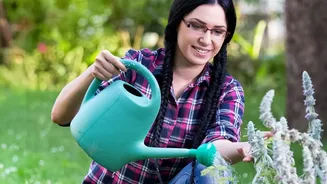
Beyond planting, September is about preparing your garden's foundation. After loosening compacted soil, enrich it with organic matter like compost or well-rotted manure to replenish nutrients that may have been washed away by the rains. This is also a good time to apply a layer of mulch, such as straw or dried leaves, which helps retain soil moisture as the weather dries and suppresses weed growth. Keep an eye out for pests and fungal diseases, which can be common in the lingering humidity. A weekly spray of neem oil solution can be an effective preventative measure. When watering, do so in the morning to reduce evaporation and prevent fungal issues.